Train ChatGPT to Design PPT: A Professional Guide

The integration of artificial intelligence into presentation design represents a fundamental shift in how business professionals approach their visual communications. While AI tools cannot replace strategic thinking and creative expertise, learning to train ChatGPT to design ppt materials effectively can dramatically accelerate your workflow and enhance your presentation development process. This guide explores practical methods for leveraging ChatGPT as a collaborative design partner, helping financial and tech professionals streamline their presentation creation while maintaining professional standards.

Understanding ChatGPT's Capabilities for Presentation Design

ChatGPT operates as a text-based AI assistant, which means its direct involvement in presentation design differs from visual design tools. When you train ChatGPT to design ppt content, you're actually teaching it to understand your specific requirements, brand voice, and structural preferences.

What ChatGPT Can Actually Do

Content Generation and Structure:

  • Create detailed slide outlines with hierarchical information
  • Generate compelling headlines and supporting copy
  • Draft speaker notes and narrative flows
  • Suggest visual metaphors and conceptual frameworks
  • Organize complex data into digestible segments

Design Guidance:

  • Recommend slide layouts based on content type
  • Suggest color palette combinations aligned with brand guidelines
  • Provide typography recommendations for hierarchy
  • Offer visual composition principles for specific slides

The key limitation remains that ChatGPT cannot directly manipulate PowerPoint files or create visual assets. However, when you properly train ChatGPT to design ppt content, it becomes an invaluable partner in the conceptual and structural phases of presentation development. According to research on ChatGPT's effectiveness in visualization design, the AI demonstrates significant capability in providing design advice when properly directed.

ChatGPT presentation design training process

Building Your Training Framework

Training ChatGPT requires systematic input that establishes context, preferences, and constraints. This process resembles onboarding a new team member rather than programming software.

Creating Your Master Prompt Template

Start by developing a comprehensive master prompt that includes:

  1. Brand Identity Parameters
  2. Industry-Specific Context
  3. Audience Characteristics
  4. Design Preferences
  5. Content Objectives

Your initial training conversation should establish these foundations clearly. For instance, a fintech company might begin: "I need you to help me develop presentation content for institutional investors. Our brand emphasizes trust, innovation, and data transparency. We prefer minimalist design with bold typography and strategic use of navy blue and silver accents."

Establishing Design Principles

When working with professional PowerPoint design, certain principles remain universal. Train ChatGPT to understand these fundamentals:

Design Principle Training Approach Expected Output
Visual Hierarchy Specify importance levels for each content element Prioritized content structure with clear primary/secondary/tertiary divisions
White Space Define density preferences and breathing room requirements Suggestions for content distribution across slides
Consistency Provide brand guidelines and template structures Uniform formatting recommendations throughout
Data Visualization Explain data types and preferred chart styles Appropriate visualization type recommendations

The more specific your training inputs, the more refined ChatGPT's outputs become. This iterative refinement process mirrors how professional design agencies develop their creative processes.

Practical Training Techniques

To effectively train ChatGPT to design ppt presentations, implement these proven methodologies that align with professional presentation design standards.

The Feedback Loop Method

This technique involves continuous refinement through structured feedback:

Initial Request: "Create an outline for a Series B pitch deck with 15 slides covering our SaaS platform's market opportunity, product features, traction metrics, and funding requirements."

Review and Refine: After receiving the initial output, provide specific feedback: "The product features section needs more technical depth. Separate the infrastructure stack onto its own slide. The market opportunity should emphasize TAM/SAM/SOM breakdown."

Iteration: ChatGPT adjusts based on your corrections, learning your preferences for future requests.

This method proves particularly effective for developing compelling pitch decks where nuance and precision matter significantly.

Template-Based Training

  • Provide ChatGPT with examples of your preferred slide structures
  • Share before-and-after scenarios showing content transformation
  • Upload text descriptions of successful presentations you've created
  • Define slide archetypes (title slide, data slide, quote slide, etc.)

Role-Based Prompting

Assign ChatGPT specific roles to improve output quality. Examples include:

"Act as a presentation strategist for enterprise software companies. Review this outline and suggest improvements that would resonate with CTOs and IT directors."

"Function as a visual design consultant. Based on this content, recommend the optimal slide layout and visual treatment for maximum impact."

Research on ChatGPT's capabilities in human-centered design demonstrates that role-based prompting significantly improves contextual understanding and output relevance.

Content transformation workflow

Advanced Training Strategies for Business Presentations

Financial and tech presentations demand sophisticated approaches that go beyond basic slide creation. When you train ChatGPT to design ppt materials for these sectors, incorporate industry-specific methodologies.

Data Narrative Development

Complex data requires careful transformation into accessible insights. Train ChatGPT to:

  1. Identify the core message within datasets before suggesting visualization
  2. Create progressive disclosure structures that build understanding sequentially
  3. Recommend complementary visuals that support quantitative information
  4. Suggest narrative bridges between data-heavy slides

For example: "This quarterly revenue data shows 47% growth but masks regional disparities. Create a slide structure that reveals the overall growth first, then breaks down regional performance, highlighting both successes and opportunities."

Brand Voice Consistency

Maintaining consistent brand voice across presentations strengthens professional credibility. Establish voice guidelines:

Tone Specifications:

  • Formality level (casual, professional, academic)
  • Industry jargon usage parameters
  • Emotional resonance targets
  • Technical depth expectations

Language Patterns:

  • Preferred sentence structures
  • Active vs. passive voice preferences
  • Terminology standards
  • Acronym and abbreviation rules

Compare this to how platforms like Microsoft's AI presentation maker approach content generation, but with your unique brand identity baked into every interaction.

Audience-Specific Customization

Different stakeholder groups require tailored approaches:

Audience Type Content Focus Slide Density Visual Style
C-Suite Executives Strategic insights, ROI, competitive positioning Low (5-8 slides) Bold, minimal
Technical Teams Architecture, specifications, implementation Medium (12-18 slides) Detailed diagrams
Investors Market size, traction, financials, team Medium (10-15 slides) Data-rich, professional
Sales Prospects Benefits, use cases, social proof Medium (8-12 slides) Emotional, visual

Train ChatGPT with specific audience profiles, including their pain points, decision criteria, and information processing preferences. This aligns with best practices in designing effective PowerPoint presentations that resonate with target audiences.

Integrating ChatGPT with Your Design Workflow

The most effective approach to train ChatGPT to design ppt content involves seamless workflow integration rather than standalone usage.

The Three-Phase Integration Model

Phase 1: Conceptualization

  • Use ChatGPT for brainstorming slide concepts
  • Generate multiple narrative approaches
  • Develop content hierarchies
  • Create initial outlines

Phase 2: Content Development

  • Refine messaging for each slide
  • Generate headline variations
  • Draft supporting copy and speaker notes
  • Develop data interpretation frameworks

Phase 3: Design Specification

  • Request layout recommendations
  • Get visual treatment suggestions
  • Receive typography guidance
  • Obtain color usage advice

This phased approach ensures you leverage ChatGPT's strengths while recognizing its limitations. Professional agencies understand this balance, which is why exploring the best PPT presentation approaches involves combining AI assistance with human expertise.

Complementary Tool Integration

While ChatGPT handles content and strategic direction, integrate it with:

  • PowerPoint or Keynote for actual slide construction
  • Design tools for visual asset creation
  • Data visualization platforms for chart generation
  • Collaboration software for team feedback

For teams managing multiple presentations simultaneously, secure cloud platforms like vBoxx provide essential infrastructure for storing, sharing, and collaborating on presentation files while maintaining data security standards critical for financial and tech businesses.

Common Training Pitfalls and Solutions

Understanding what doesn't work helps refine how you train ChatGPT to design ppt materials effectively.

Pitfall 1: Overly Generic Requests

Problem: "Create a presentation about our company."

Solution: "Develop a 12-slide investor presentation for our cybersecurity SaaS platform, focusing on our zero-trust architecture advantage, current enterprise customer base of 47 companies, and $3.2M ARR growth trajectory. Target audience: Series A venture capital firms."

Pitfall 2: Expecting Visual Execution

ChatGPT cannot create the actual slides or graphics. It generates descriptions, suggestions, and content that you or your design team then implement.

Workaround: Request detailed specifications that designers can execute: "For the product architecture slide, suggest a layout that shows our three-tier system with cloud infrastructure at the base, application layer in the middle, and user interface at the top. Recommend visual treatment that emphasizes security checkpoints at each level."

Pitfall 3: Insufficient Context Provision

Without adequate background, ChatGPT produces generic outputs that require extensive revision.

Solution Framework:

  • Always include industry context
  • Specify competitive positioning
  • Define unique value propositions
  • Share relevant company metrics
  • Clarify presentation objectives

According to analysis of AI-powered presentation tools, context quality directly correlates with output relevance and usability.

AI presentation quality control

Measuring Training Effectiveness

Track specific metrics to assess whether your efforts to train ChatGPT to design ppt content deliver tangible benefits.

Quantitative Indicators

  • Time savings: Measure hours from initial outline to final draft
  • Revision cycles: Count iterations needed to reach acceptable quality
  • Content reusability: Track how often ChatGPT-generated frameworks can be repurposed
  • Consistency scores: Evaluate brand voice and visual guideline adherence

Qualitative Assessments

Stakeholder Feedback:

  • Presentation clarity ratings from audiences
  • Engagement metrics during delivery
  • Conversion rates for sales presentations
  • Investor response quality for pitch decks

Internal Team Evaluation:

  • Designer satisfaction with content quality
  • Alignment with strategic messaging
  • Accuracy of technical information
  • Appropriateness for target audiences

For ecommerce businesses presenting to investors or partners, communities like Talk Shop offer valuable feedback channels where professionals share presentation experiences and effectiveness insights.

Scaling Your ChatGPT Training Program

As your team's proficiency grows, systematize your approach for organization-wide benefits.

Building a Prompt Library

Create a centralized repository of effective prompts:

  1. Category-based organization (investor decks, sales presentations, internal reports)
  2. Industry-specific templates (fintech, cybersecurity, SaaS)
  3. Audience-targeted variations (technical, executive, customer-facing)
  4. Version control to track prompt evolution and effectiveness

Team Training and Guidelines

Documentation Requirements:

  • Standard operating procedures for ChatGPT usage
  • Brand guideline integration protocols
  • Quality control checkpoints
  • Approval workflows

Skill Development:

  • Workshop sessions on effective prompt engineering
  • Best practice sharing among team members
  • Regular review of ChatGPT capabilities and limitations
  • Continuous learning about AI advancements in design

Similar to how Copilot in PowerPoint provides AI-assisted design features, your training program should empower team members to work more efficiently while maintaining quality standards.

Future-Proofing Your AI Presentation Strategy

The landscape of AI-assisted presentation design continues evolving rapidly. Position your training methodology for ongoing relevance.

Staying Current with Capabilities

Monitor developments in:

  • Natural language processing improvements
  • Multimodal AI (text-to-image generation)
  • Integration possibilities with presentation software
  • Industry-specific AI design tools

Balancing Automation and Human Expertise

While AI handles increasingly sophisticated tasks, human judgment remains essential for:

Strategic Decision-Making:

  • Determining core messaging priorities
  • Selecting appropriate persuasive frameworks
  • Assessing cultural and contextual appropriateness
  • Making high-stakes creative choices

Quality Assurance:

  • Verifying factual accuracy
  • Ensuring brand consistency
  • Evaluating emotional resonance
  • Testing audience comprehension

Reviews like this evaluation of Gamma's AI slide builder highlight both the impressive capabilities and persistent limitations of current AI presentation tools.

Industry-Specific Applications

Different sectors benefit from specialized approaches when training ChatGPT to design ppt content.

Financial Services Presentations

Key Requirements:

  • Regulatory compliance awareness
  • Data accuracy and attribution
  • Risk disclosure clarity
  • Professional conservatism

Training Focus: "When creating content for fintech pitch decks, always include compliance disclaimers, cite data sources, emphasize security measures, and maintain formal tone throughout."

Technology Sector Presentations

Key Requirements:

  • Technical accuracy balanced with accessibility
  • Innovation positioning
  • Scalability demonstrations
  • Competitive differentiation

Training Focus: "For cybersecurity presentations, translate technical architecture into business value, emphasize threat landscape understanding, demonstrate ROI through risk mitigation, and use industry-standard terminology."

Adapting to Presentation Types

Presentation Type ChatGPT Training Priority Success Metrics
Investor Pitch Compelling narrative, clear ask, traction evidence Funding secured, meeting requests
Sales Deck Benefit-focused, objection handling, social proof Conversion rate, deal velocity
Product Demo Feature-benefit linkage, use case scenarios, technical depth Product adoption, trial signups
Conference Talk Thought leadership, engaging storytelling, actionable insights Audience engagement, speaking invitations

Training ChatGPT to design effective presentation content represents a valuable skill that enhances productivity while maintaining professional quality standards. By implementing systematic training approaches, providing detailed context, and integrating AI assistance into broader design workflows, business professionals can significantly accelerate their presentation development processes. Whether you're creating investor pitches, sales presentations, or strategic communications, Prznt Perfect combines AI efficiency with expert design craftsmanship to deliver visually stunning presentations that resonate with financial and tech audiences, transforming complex narratives into compelling visual stories that drive results.

We offer free 30-min consultation on the presentation design audit
and hiring the right visual 
comms professional, let’s talk!
Shedule a call
Shedule a call
"I understand" goes a step further into the cognitive dance of persuasion. It's where the audience begins to see the connections between the facts, to grasp the nuances of the problem and the elegance of the solution.
  • This is some text inside of a div block.
    lay out the facts clearly and compellingly. Use data to establish the ground reality, but remember that facts alone are like the individual strands of a tapestry—necessary but not complete.
    lay out the facts clearly and compellingly. Use data to establish the ground reality, but remember that facts alone are like the individual strands of a tapestry—necessary but not complete.
  • This is some text inside of a div block.
    lay out the facts clearly and compellingly. Use data to establish the ground reality, but remember that facts alone are like the individual strands of a tapestry—necessary but not complete.

We offer free 30-min consultation on the presentation design audit

and hiring the right visual 
comms professional, let’s talk!

Shedule a call

"I understand" goes a step further into the cognitive dance of persuasion. It's where the audience begins to see the connections between the facts, to grasp the nuances of the problem and the elegance of the solution.

  • - 1 -
    Consistency at Scale:

    Biotech Market Trends 2024: Tailoring Your Pitch Deck to Current Industry Dynamics.

  • - 2 -
    Efficiency and Speed:

    The traditional process of manually updating presentations is not only slow but also prone to bottlenecks, especially when dealing with large volumes of slides. Automation dramatically accelerates this process, enabling designers to apply changes across hundreds of slides in the time it would take to manually update a single one. This efficiency is a game-changer for agencies working under tight deadlines or managing multiple projects simultaneously.

  • - 3 -
    Enhanced Creativity:

    With the burden of manual updates lifted, designers can allocate more time and energy to the creative aspects of presentation design. This freedom allows for deeper exploration of innovative design concepts, experimentation with new visual storytelling techniques, and the development of more engaging and interactive presentations. Automation doesn't stifle creativity; it amplifies it, enabling designers to push the boundaries of what's possible in corporate presentation design.

  • - 4 -
    Error Reduction:

    Manual updates are inherently prone to inconsistencies and mistakes, from misaligned logos to incorrect font sizes. These errors can detract from the professionalism of a presentation and, by extension, the corporate image. Automation minimizes these risks by ensuring that updates are applied uniformly and accurately across all slides, enhancing the overall quality and integrity of the presentation.

  • - 5 -
    Cost-Effectiveness:

    The time savings afforded by automation directly translate to cost savings for both the design agency and its clients. By reducing the hours spent on manual updates, agencies can optimize their workflows and resources, allowing them to take on more projects without compromising on quality. This efficiency can also make high-quality presentation design services more affordable and accessible to a broader range of businesses.

Train ChatGPT to Design PPT: A Professional Guide
Learn how to train ChatGPT to design PPT presentations that convert. Expert tips for business professionals to leverage AI in presentation design.

The integration of artificial intelligence into presentation design represents a fundamental shift in how business professionals approach their visual communications. While AI tools cannot replace strategic thinking and creative expertise, learning to train ChatGPT to design ppt materials effectively can dramatically accelerate your workflow and enhance your presentation development process. This guide explores practical methods for leveraging ChatGPT as a collaborative design partner, helping financial and tech professionals streamline their presentation creation while maintaining professional standards.

Understanding ChatGPT's Capabilities for Presentation Design

ChatGPT operates as a text-based AI assistant, which means its direct involvement in presentation design differs from visual design tools. When you train ChatGPT to design ppt content, you're actually teaching it to understand your specific requirements, brand voice, and structural preferences.

What ChatGPT Can Actually Do

Content Generation and Structure:

  • Create detailed slide outlines with hierarchical information
  • Generate compelling headlines and supporting copy
  • Draft speaker notes and narrative flows
  • Suggest visual metaphors and conceptual frameworks
  • Organize complex data into digestible segments

Design Guidance:

  • Recommend slide layouts based on content type
  • Suggest color palette combinations aligned with brand guidelines
  • Provide typography recommendations for hierarchy
  • Offer visual composition principles for specific slides

The key limitation remains that ChatGPT cannot directly manipulate PowerPoint files or create visual assets. However, when you properly train ChatGPT to design ppt content, it becomes an invaluable partner in the conceptual and structural phases of presentation development. According to research on ChatGPT's effectiveness in visualization design, the AI demonstrates significant capability in providing design advice when properly directed.
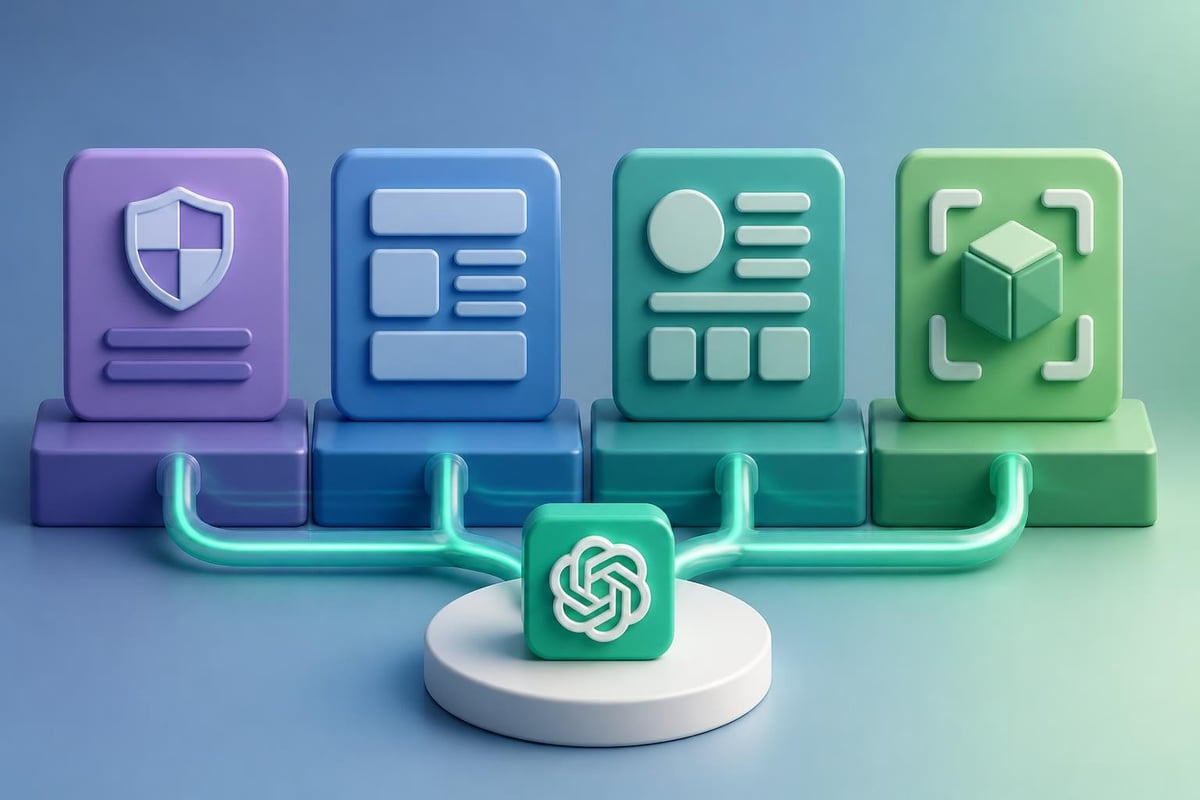
ChatGPT presentation design training process

Building Your Training Framework

Training ChatGPT requires systematic input that establishes context, preferences, and constraints. This process resembles onboarding a new team member rather than programming software.

Creating Your Master Prompt Template

Start by developing a comprehensive master prompt that includes:

  1. Brand Identity Parameters
  2. Industry-Specific Context
  3. Audience Characteristics
  4. Design Preferences
  5. Content Objectives

Your initial training conversation should establish these foundations clearly. For instance, a fintech company might begin: "I need you to help me develop presentation content for institutional investors. Our brand emphasizes trust, innovation, and data transparency. We prefer minimalist design with bold typography and strategic use of navy blue and silver accents."

Establishing Design Principles

When working with professional PowerPoint design, certain principles remain universal. Train ChatGPT to understand these fundamentals:

Design Principle Training Approach Expected Output
Visual Hierarchy Specify importance levels for each content element Prioritized content structure with clear primary/secondary/tertiary divisions
White Space Define density preferences and breathing room requirements Suggestions for content distribution across slides
Consistency Provide brand guidelines and template structures Uniform formatting recommendations throughout
Data Visualization Explain data types and preferred chart styles Appropriate visualization type recommendations

The more specific your training inputs, the more refined ChatGPT's outputs become. This iterative refinement process mirrors how professional design agencies develop their creative processes.

Practical Training Techniques

To effectively train ChatGPT to design ppt presentations, implement these proven methodologies that align with professional presentation design standards.

The Feedback Loop Method

This technique involves continuous refinement through structured feedback:

Initial Request: "Create an outline for a Series B pitch deck with 15 slides covering our SaaS platform's market opportunity, product features, traction metrics, and funding requirements."

Review and Refine: After receiving the initial output, provide specific feedback: "The product features section needs more technical depth. Separate the infrastructure stack onto its own slide. The market opportunity should emphasize TAM/SAM/SOM breakdown."

Iteration: ChatGPT adjusts based on your corrections, learning your preferences for future requests.

This method proves particularly effective for developing compelling pitch decks where nuance and precision matter significantly.

Template-Based Training

  • Provide ChatGPT with examples of your preferred slide structures
  • Share before-and-after scenarios showing content transformation
  • Upload text descriptions of successful presentations you've created
  • Define slide archetypes (title slide, data slide, quote slide, etc.)

Role-Based Prompting

Assign ChatGPT specific roles to improve output quality. Examples include:

"Act as a presentation strategist for enterprise software companies. Review this outline and suggest improvements that would resonate with CTOs and IT directors."

"Function as a visual design consultant. Based on this content, recommend the optimal slide layout and visual treatment for maximum impact."

Research on ChatGPT's capabilities in human-centered design demonstrates that role-based prompting significantly improves contextual understanding and output relevance.

Content transformation workflow

Advanced Training Strategies for Business Presentations

Financial and tech presentations demand sophisticated approaches that go beyond basic slide creation. When you train ChatGPT to design ppt materials for these sectors, incorporate industry-specific methodologies.

Data Narrative Development

Complex data requires careful transformation into accessible insights. Train ChatGPT to:

  1. Identify the core message within datasets before suggesting visualization
  2. Create progressive disclosure structures that build understanding sequentially
  3. Recommend complementary visuals that support quantitative information
  4. Suggest narrative bridges between data-heavy slides

For example: "This quarterly revenue data shows 47% growth but masks regional disparities. Create a slide structure that reveals the overall growth first, then breaks down regional performance, highlighting both successes and opportunities."

Brand Voice Consistency

Maintaining consistent brand voice across presentations strengthens professional credibility. Establish voice guidelines:

Tone Specifications:

  • Formality level (casual, professional, academic)
  • Industry jargon usage parameters
  • Emotional resonance targets
  • Technical depth expectations

Language Patterns:

  • Preferred sentence structures
  • Active vs. passive voice preferences
  • Terminology standards
  • Acronym and abbreviation rules

Compare this to how platforms like Microsoft's AI presentation maker approach content generation, but with your unique brand identity baked into every interaction.

Audience-Specific Customization

Different stakeholder groups require tailored approaches:

Audience Type Content Focus Slide Density Visual Style
C-Suite Executives Strategic insights, ROI, competitive positioning Low (5-8 slides) Bold, minimal
Technical Teams Architecture, specifications, implementation Medium (12-18 slides) Detailed diagrams
Investors Market size, traction, financials, team Medium (10-15 slides) Data-rich, professional
Sales Prospects Benefits, use cases, social proof Medium (8-12 slides) Emotional, visual

Train ChatGPT with specific audience profiles, including their pain points, decision criteria, and information processing preferences. This aligns with best practices in designing effective PowerPoint presentations that resonate with target audiences.

Integrating ChatGPT with Your Design Workflow

The most effective approach to train ChatGPT to design ppt content involves seamless workflow integration rather than standalone usage.

The Three-Phase Integration Model

Phase 1: Conceptualization

  • Use ChatGPT for brainstorming slide concepts
  • Generate multiple narrative approaches
  • Develop content hierarchies
  • Create initial outlines

Phase 2: Content Development

  • Refine messaging for each slide
  • Generate headline variations
  • Draft supporting copy and speaker notes
  • Develop data interpretation frameworks

Phase 3: Design Specification

  • Request layout recommendations
  • Get visual treatment suggestions
  • Receive typography guidance
  • Obtain color usage advice

This phased approach ensures you leverage ChatGPT's strengths while recognizing its limitations. Professional agencies understand this balance, which is why exploring the best PPT presentation approaches involves combining AI assistance with human expertise.

Complementary Tool Integration

While ChatGPT handles content and strategic direction, integrate it with:

  • PowerPoint or Keynote for actual slide construction
  • Design tools for visual asset creation
  • Data visualization platforms for chart generation
  • Collaboration software for team feedback

For teams managing multiple presentations simultaneously, secure cloud platforms like vBoxx provide essential infrastructure for storing, sharing, and collaborating on presentation files while maintaining data security standards critical for financial and tech businesses.

Common Training Pitfalls and Solutions

Understanding what doesn't work helps refine how you train ChatGPT to design ppt materials effectively.

Pitfall 1: Overly Generic Requests

Problem: "Create a presentation about our company."

Solution: "Develop a 12-slide investor presentation for our cybersecurity SaaS platform, focusing on our zero-trust architecture advantage, current enterprise customer base of 47 companies, and $3.2M ARR growth trajectory. Target audience: Series A venture capital firms."

Pitfall 2: Expecting Visual Execution

ChatGPT cannot create the actual slides or graphics. It generates descriptions, suggestions, and content that you or your design team then implement.

Workaround: Request detailed specifications that designers can execute: "For the product architecture slide, suggest a layout that shows our three-tier system with cloud infrastructure at the base, application layer in the middle, and user interface at the top. Recommend visual treatment that emphasizes security checkpoints at each level."

Pitfall 3: Insufficient Context Provision

Without adequate background, ChatGPT produces generic outputs that require extensive revision.

Solution Framework:

  • Always include industry context
  • Specify competitive positioning
  • Define unique value propositions
  • Share relevant company metrics
  • Clarify presentation objectives

According to analysis of AI-powered presentation tools, context quality directly correlates with output relevance and usability.
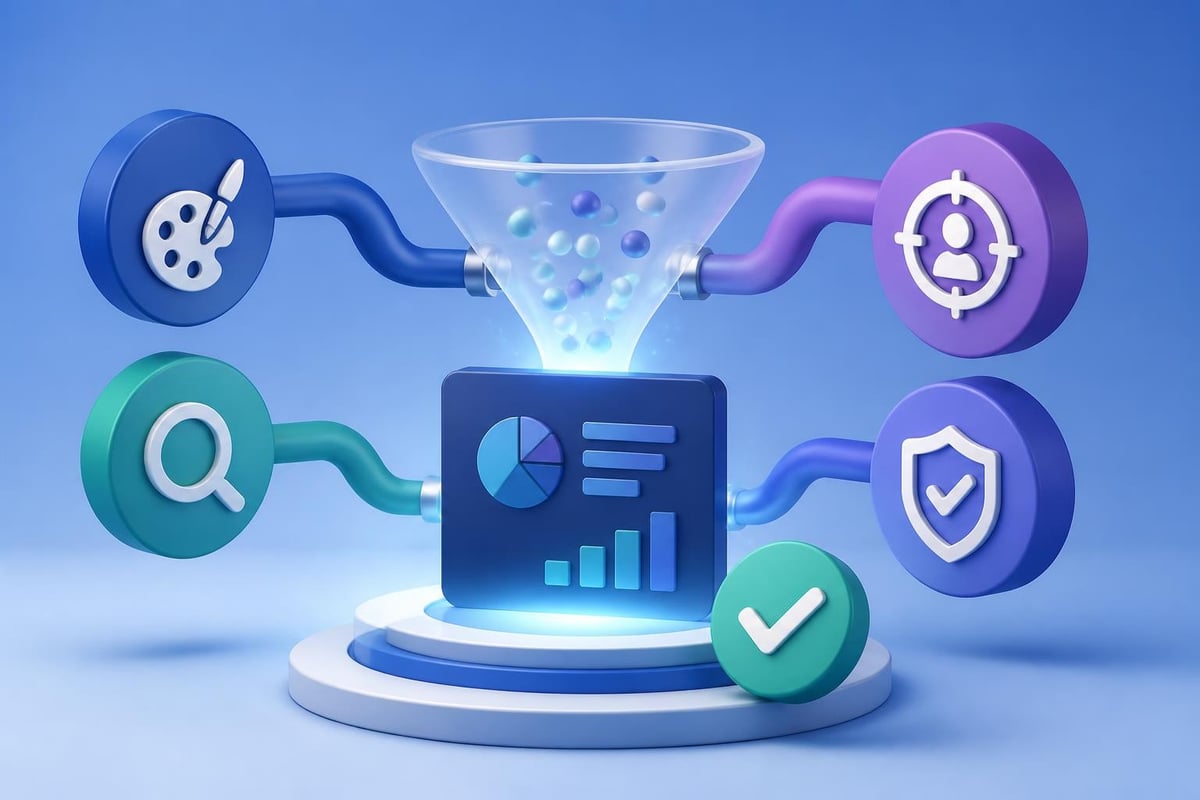
AI presentation quality control

Measuring Training Effectiveness

Track specific metrics to assess whether your efforts to train ChatGPT to design ppt content deliver tangible benefits.

Quantitative Indicators

  • Time savings: Measure hours from initial outline to final draft
  • Revision cycles: Count iterations needed to reach acceptable quality
  • Content reusability: Track how often ChatGPT-generated frameworks can be repurposed
  • Consistency scores: Evaluate brand voice and visual guideline adherence

Qualitative Assessments

Stakeholder Feedback:

  • Presentation clarity ratings from audiences
  • Engagement metrics during delivery
  • Conversion rates for sales presentations
  • Investor response quality for pitch decks

Internal Team Evaluation:

  • Designer satisfaction with content quality
  • Alignment with strategic messaging
  • Accuracy of technical information
  • Appropriateness for target audiences

For ecommerce businesses presenting to investors or partners, communities like Talk Shop offer valuable feedback channels where professionals share presentation experiences and effectiveness insights.

Scaling Your ChatGPT Training Program

As your team's proficiency grows, systematize your approach for organization-wide benefits.

Building a Prompt Library

Create a centralized repository of effective prompts:

  1. Category-based organization (investor decks, sales presentations, internal reports)
  2. Industry-specific templates (fintech, cybersecurity, SaaS)
  3. Audience-targeted variations (technical, executive, customer-facing)
  4. Version control to track prompt evolution and effectiveness

Team Training and Guidelines

Documentation Requirements:

  • Standard operating procedures for ChatGPT usage
  • Brand guideline integration protocols
  • Quality control checkpoints
  • Approval workflows

Skill Development:

  • Workshop sessions on effective prompt engineering
  • Best practice sharing among team members
  • Regular review of ChatGPT capabilities and limitations
  • Continuous learning about AI advancements in design

Similar to how Copilot in PowerPoint provides AI-assisted design features, your training program should empower team members to work more efficiently while maintaining quality standards.

Future-Proofing Your AI Presentation Strategy

The landscape of AI-assisted presentation design continues evolving rapidly. Position your training methodology for ongoing relevance.

Staying Current with Capabilities

Monitor developments in:

  • Natural language processing improvements
  • Multimodal AI (text-to-image generation)
  • Integration possibilities with presentation software
  • Industry-specific AI design tools

Balancing Automation and Human Expertise

While AI handles increasingly sophisticated tasks, human judgment remains essential for:

Strategic Decision-Making:

  • Determining core messaging priorities
  • Selecting appropriate persuasive frameworks
  • Assessing cultural and contextual appropriateness
  • Making high-stakes creative choices

Quality Assurance:

  • Verifying factual accuracy
  • Ensuring brand consistency
  • Evaluating emotional resonance
  • Testing audience comprehension

Reviews like this evaluation of Gamma's AI slide builder highlight both the impressive capabilities and persistent limitations of current AI presentation tools.

Industry-Specific Applications

Different sectors benefit from specialized approaches when training ChatGPT to design ppt content.

Financial Services Presentations

Key Requirements:

  • Regulatory compliance awareness
  • Data accuracy and attribution
  • Risk disclosure clarity
  • Professional conservatism

Training Focus: "When creating content for fintech pitch decks, always include compliance disclaimers, cite data sources, emphasize security measures, and maintain formal tone throughout."

Technology Sector Presentations

Key Requirements:

  • Technical accuracy balanced with accessibility
  • Innovation positioning
  • Scalability demonstrations
  • Competitive differentiation

Training Focus: "For cybersecurity presentations, translate technical architecture into business value, emphasize threat landscape understanding, demonstrate ROI through risk mitigation, and use industry-standard terminology."

Adapting to Presentation Types

Presentation Type ChatGPT Training Priority Success Metrics
Investor Pitch Compelling narrative, clear ask, traction evidence Funding secured, meeting requests
Sales Deck Benefit-focused, objection handling, social proof Conversion rate, deal velocity
Product Demo Feature-benefit linkage, use case scenarios, technical depth Product adoption, trial signups
Conference Talk Thought leadership, engaging storytelling, actionable insights Audience engagement, speaking invitations

Training ChatGPT to design effective presentation content represents a valuable skill that enhances productivity while maintaining professional quality standards. By implementing systematic training approaches, providing detailed context, and integrating AI assistance into broader design workflows, business professionals can significantly accelerate their presentation development processes. Whether you're creating investor pitches, sales presentations, or strategic communications, Prznt Perfect combines AI efficiency with expert design craftsmanship to deliver visually stunning presentations that resonate with financial and tech audiences, transforming complex narratives into compelling visual stories that drive results.
News & Updates...

Master slides deck organization guidelines to create professional presentations. Learn structure, navigation, and design best practices.

Master the biotech partnership deck with expert strategies for structuring, designing, and delivering presentations that secure strategic collaborations.