Professional PowerPoint Presentation Design Guide 2026

Creating a professional powerpoint presentation requires more than simply adding text and images to slides. In today's competitive business landscape, particularly within financial services and technology sectors, presentations serve as critical tools for communicating complex ideas, securing funding, and driving strategic decisions. A well-crafted presentation combines visual design principles, narrative structure, and audience psychology to deliver messages that resonate and inspire action. Whether you're pitching to investors, presenting quarterly results, or explaining intricate technical concepts, the quality of your presentation design directly impacts your credibility and success rate.

Understanding the Foundation of Professional Presentation Design

The cornerstone of any professional powerpoint presentation lies in its structural integrity and visual consistency. Professional designers recognize that every element on a slide serves a specific purpose, contributing to the overall narrative flow and message clarity. For financial and tech businesses, this becomes particularly critical when communicating data-heavy information or technical specifications that could easily overwhelm audiences.

Visual Hierarchy and Information Architecture

Establishing clear visual hierarchy ensures that viewers process information in the intended order. This principle applies across all slide types, from title slides to data visualizations.

Key hierarchy elements include:

  • Primary headlines that capture attention and frame context
  • Supporting subheadings that guide viewers through sections
  • Body content organized in digestible chunks
  • Visual anchors like icons and graphics that reinforce concepts
  • Strategic white space that prevents cognitive overload

Financial presentations benefit significantly from proper hierarchy, as complex metrics and forecasts require careful organization. When stakeholders can quickly grasp key performance indicators without confusion, decision-making accelerates and confidence in the presenter increases.

Visual hierarchy in slide design

Color Psychology and Brand Consistency

Color selection extends beyond aesthetic preferences. In professional presentations, colors communicate brand identity, evoke emotional responses, and enhance readability. Maintaining consistent colors and fonts throughout your deck reinforces professionalism and helps audiences focus on content rather than being distracted by design inconsistencies.

Color Category Business Application Psychological Impact
Blues Financial services, tech companies Trust, stability, intelligence
Greens Growth metrics, sustainability Balance, progress, renewal
Reds Urgent data points, CTAs Energy, importance, action
Neutrals Background, supporting elements Sophistication, clarity

Tech companies often leverage blue and gray palettes to convey innovation and reliability, while financial institutions may incorporate traditional colors that signal security and established expertise. Understanding effective layout design principles helps ensure color choices support rather than distract from core messages.

Crafting Compelling Visual Narratives

A professional powerpoint presentation tells a story, not just presents facts. Visual storytelling transforms raw data and concepts into memorable narratives that engage audiences emotionally and intellectually. This approach proves especially valuable when presenting to investors or executive stakeholders who encounter dozens of presentations weekly.

Data Visualization Strategies

Converting spreadsheets into compelling visual stories requires strategic thinking about what data matters most and how to present it for maximum impact. Charts and graphs should illuminate insights rather than simply display numbers.

Effective data visualization practices:

  1. Select the right chart type for your specific data story (trends use line charts, comparisons use bar charts, compositions use pie charts)
  2. Simplify complex datasets by highlighting only the most relevant metrics
  3. Add context through annotations that explain what viewers should notice
  4. Maintain consistent formatting across all data slides for professional cohesion
  5. Use progressive disclosure to build understanding gradually rather than overwhelming with complete datasets

When presenting quarterly financial results, for example, a professional designer might create a series of builds that first show revenue trends, then overlay profit margins, and finally highlight year-over-year comparisons. This sequential revelation keeps audiences engaged while building a comprehensive understanding.

Typography That Enhances Readability

Font selection significantly impacts how audiences perceive and process information. Professional presentations prioritize readability over decorative elements, ensuring that text remains legible even from the back of large conference rooms or on smaller screens during virtual meetings.

Choosing readable fonts involves considering both aesthetic appeal and functional clarity. Sans-serif fonts like Helvetica, Arial, and Calibri work well for body text, while serif fonts can add sophistication to headlines when used judiciously.

Typography best practices include:

  • Maintaining minimum 24-point font size for body text
  • Using bold weights strategically to emphasize key concepts
  • Limiting font families to two or three maximum per presentation
  • Ensuring sufficient contrast between text and background colors
  • Avoiding all-caps text except for very short headlines

Technical Excellence in Slide Construction

Beyond visual appeal, a professional powerpoint presentation demonstrates technical proficiency through smooth animations, proper alignment, and optimized file performance. These details separate amateur efforts from polished professional work.

Master Slides and Template Development

Using slide masters for consistency represents one of the most powerful yet underutilized PowerPoint features. Master slides establish global formatting rules that automatically apply across entire presentations, ensuring every slide maintains brand standards and design integrity.

Creating custom templates based on brand guidelines allows organizations to streamline presentation development while maintaining quality control. Rather than starting from scratch each time, presenters can select pre-designed layouts that already incorporate approved colors, fonts, logos, and formatting specifications.

Template Element Purpose Business Benefit
Title slide master Establishes first impression Consistent brand identity
Content layouts Standardizes information display Faster slide creation
Chart templates Ensures data visualization quality Professional data presentation
Footer elements Maintains branding throughout Subtle brand reinforcement

Organizations investing in professional presentation templates benefit from accelerated production timelines and reduced design inconsistencies across departments and teams.

Animation and transition workflow

Animation and Transition Techniques

Strategic animation enhances understanding and maintains engagement without creating distraction. Professional presentations use animations purposefully to reveal information progressively, direct attention to specific elements, and demonstrate processes or relationships.

Simple fade and wipe transitions between slides create smooth flow, while object animations within slides can illustrate concepts dynamically. For instance, when explaining a tech product's user journey, animations might show each interaction step sequentially, helping audiences visualize the complete experience.

However, restraint remains critical. Excessive or flashy animations undermine professionalism and can make presentations feel amateurish. The goal is subtle enhancement, not entertainment.

Optimizing Content for Different Presentation Contexts

A professional powerpoint presentation adapts to its specific context, whether that's a boardroom pitch, conference keynote, or virtual webinar. Understanding audience expectations and environmental constraints shapes design decisions and content organization.

Pitch Deck Specifications for Financial and Tech Sectors

Investor presentations follow distinct conventions that professional designers understand instinctively. Fintech and banking pitch decks typically emphasize market opportunity, competitive differentiation, financial projections, and team credentials.

Essential pitch deck elements:

  • Problem statement that establishes market need
  • Solution overview demonstrating unique value proposition
  • Market size analysis with addressable market segments
  • Business model explaining revenue generation
  • Competitive landscape showing market positioning
  • Financial projections with growth trajectory
  • Team credentials establishing execution capability
  • Investment ask with clear use of funds

Technology startups may place greater emphasis on product innovation and scalability, while financial services companies often highlight regulatory compliance and risk management frameworks. Understanding these sector-specific expectations ensures presentations address what investors actually want to know.

Conference and Keynote Presentations

Public speaking contexts demand different design approaches than boardroom settings. Slides viewed from 50 feet away require larger text, bolder graphics, and simpler layouts than materials designed for close review.

Professional presentation design for conferences often features high-impact visuals with minimal text, recognizing that spoken narration provides detail while slides reinforce key concepts. This approach contrasts with pitch decks, which often need to stand alone as leave-behind documents.

Conference presenters should consider:

  1. Lighting conditions that may affect color visibility and contrast requirements
  2. Screen aspect ratios that vary by venue (16:9 standard versus older 4:3 formats)
  3. Remote viewing if sessions are livestreamed or recorded
  4. Brand visibility with consistent logo placement and corporate identity

Leveraging Professional Design Resources

Creating a professional powerpoint presentation from scratch requires significant time and expertise. Many organizations find that partnering with specialized design agencies or utilizing premium templates accelerates production while ensuring quality outcomes.

When to Invest in Professional Design Services

High-stakes presentations justify professional design investment. When millions of dollars hang on investor decisions or major contracts depend on proposal quality, amateur design becomes an unacceptable risk.

Scenarios warranting professional design include:

  • Series A, B, or C funding rounds where presentation quality impacts valuation
  • Board presentations requiring executive-level polish and precision
  • Client pitches competing against well-funded competitors
  • Industry conferences where company reputation is at stake
  • Product launches introducing significant innovations to market

Organizations often underestimate how design quality affects audience perception. Research consistently shows that professional visual presentation increases perceived credibility, competence, and trustworthiness, even when content remains identical.

Professional design workflow process

Template Customization and Brand Adaptation

For recurring presentation needs, customized templates offer an effective middle ground between DIY approaches and full custom design for every deck. Selecting attractive PowerPoint templates that align with brand guidelines provides consistent quality while maintaining production efficiency.

Premium template libraries offer sophisticated designs that rival custom work when properly adapted. The key lies in customization, replacing stock imagery with brand-specific visuals, adjusting color palettes to match corporate identity, and modifying layouts to suit specific content requirements.

Approach Time Investment Quality Level Cost
DIY with basic templates Low Variable Minimal
Premium customized templates Medium Good Moderate
Professional design agency High Excellent Premium
In-house design team Ongoing Excellent Substantial

Advanced Techniques for Maximum Impact

Sophisticated presenters employ advanced techniques that elevate presentations beyond standard practices. These methods demonstrate mastery of both design principles and audience psychology.

Multimedia Integration

Integrating multimedia elements like video clips, audio narration, and interactive elements transforms static presentations into dynamic experiences. Technology demonstrations benefit particularly from embedded video showing actual product functionality rather than describing features through bullet points.

Financial presentations might incorporate brief interview clips with satisfied clients or industry analysts, adding third-party validation that strengthens credibility. The key is ensuring multimedia enhances rather than distracts from core messages.

Progressive Disclosure and Build Sequences

Complex concepts become manageable through progressive disclosure, revealing information incrementally rather than overwhelming audiences with complete slides. This technique proves especially valuable when explaining technical architectures or detailed financial models.

A presentation explaining a sophisticated fintech platform might first show the overall system architecture, then build in each component layer by layer, explaining how elements interact. This sequential approach helps audiences construct mental models that support understanding and retention.

White Space as a Design Element

Paradoxically, what you leave out of slides often matters as much as what you include. Strategic white space creates breathing room that allows important elements to command attention. Cluttered slides with every pixel filled signal amateur design and make information processing difficult.

Professional designers understand that margins, padding, and negative space aren't wasted areas but essential components that enhance readability and visual appeal. This principle applies equally to text slides, data visualizations, and image-based layouts.

Quality Assurance and Final Polish

Even expertly designed presentations can falter due to technical oversights or consistency lapses. Rigorous quality assurance processes ensure that presentations perform flawlessly when stakes are highest.

Technical Validation Checklist

Before finalizing any professional powerpoint presentation, thorough technical review catches issues that could undermine credibility during delivery:

  • Font embedding ensures custom typefaces display correctly on any computer
  • Link verification confirms all hyperlinks function as intended
  • Image resolution checks prevent pixelation when projected
  • File size optimization ensures smooth performance and easy sharing
  • Animation testing validates that builds and transitions work properly
  • Spelling and grammar review eliminates embarrassing errors
  • Version control tracks changes and maintains backups

Organizations presenting to investors or major clients often conduct full dress rehearsals using actual presentation equipment, identifying technical issues before they impact real outcomes.

Accessibility Considerations

Professional presentations consider diverse audience needs, including those with visual impairments or color blindness. Implementing accessibility best practices expands reach while demonstrating organizational values around inclusion.

Accessibility enhancements include:

  • Sufficient color contrast ratios meeting WCAG standards
  • Alternative text descriptions for images and graphics
  • Logical reading order for screen reader compatibility
  • Captions or transcripts for video and audio content
  • Avoiding color as the sole means of conveying information

These considerations ensure presentations communicate effectively regardless of how audiences consume content.

Measuring Presentation Effectiveness

The ultimate test of a professional powerpoint presentation lies in outcomes achieved. Tracking metrics and gathering feedback enables continuous improvement and validates design investments.

Performance Indicators and Success Metrics

Different presentation contexts require different success measures:

Presentation Type Primary Metrics Secondary Indicators
Investor pitch Funding secured, follow-up meetings Time to decision, questions asked
Sales presentation Deals closed, proposal requests Engagement scores, referrals
Conference keynote Audience surveys, social mentions Website traffic, lead generation
Internal update Clarity ratings, action completion Meeting efficiency, alignment

Sophisticated presenters conduct post-presentation analysis, identifying which slides generated most discussion, where audiences seemed confused, and what messages resonated most strongly. These insights inform future presentation development.

Iterative Improvement Process

Excellence in presentation design emerges through continuous refinement. Each presentation offers learning opportunities that enhance subsequent efforts. Organizations committed to presentation quality establish feedback loops that capture audience responses and presenter observations.

This might include brief surveys distributed after investor meetings, analyzing which pitch decks successfully secured funding versus those that didn't, or reviewing recorded presentations to identify improvement opportunities. Over time, these insights accumulate into institutional knowledge that elevates all presentation work.

Creating Impactful Cover Slides

First impressions form within seconds, making presentation cover design crucial for setting appropriate tone and expectations. The title slide must capture attention, communicate professionalism, and establish credibility before any words are spoken.

Effective cover slides balance visual impact with essential information: presentation title, presenter name and title, company branding, and date or context. The design should align with overall presentation aesthetics while standing out as a distinctive opener that signals the beginning of a professional experience.


Mastering professional PowerPoint presentation design requires understanding visual principles, audience psychology, and technical capabilities that transform ordinary slides into compelling business communications. For financial and tech organizations where presentation quality directly impacts funding decisions, client acquisitions, and strategic partnerships, investing in professional design expertise delivers measurable returns. Prznt Perfect specializes in creating visually stunning presentations that transform complex financial data and technical concepts into clear, actionable narratives that resonate with investors and stakeholders, helping businesses communicate their value with confidence and impact.

We offer free 30-min consultation on the presentation design audit
and hiring the right visual 
comms professional, let’s talk!
Shedule a call
Shedule a call
"I understand" goes a step further into the cognitive dance of persuasion. It's where the audience begins to see the connections between the facts, to grasp the nuances of the problem and the elegance of the solution.
  • This is some text inside of a div block.
    lay out the facts clearly and compellingly. Use data to establish the ground reality, but remember that facts alone are like the individual strands of a tapestry—necessary but not complete.
    lay out the facts clearly and compellingly. Use data to establish the ground reality, but remember that facts alone are like the individual strands of a tapestry—necessary but not complete.
  • This is some text inside of a div block.
    lay out the facts clearly and compellingly. Use data to establish the ground reality, but remember that facts alone are like the individual strands of a tapestry—necessary but not complete.

We offer free 30-min consultation on the presentation design audit

and hiring the right visual 
comms professional, let’s talk!

Shedule a call

"I understand" goes a step further into the cognitive dance of persuasion. It's where the audience begins to see the connections between the facts, to grasp the nuances of the problem and the elegance of the solution.

  • - 1 -
    Consistency at Scale:

    Biotech Market Trends 2024: Tailoring Your Pitch Deck to Current Industry Dynamics.

  • - 2 -
    Efficiency and Speed:

    The traditional process of manually updating presentations is not only slow but also prone to bottlenecks, especially when dealing with large volumes of slides. Automation dramatically accelerates this process, enabling designers to apply changes across hundreds of slides in the time it would take to manually update a single one. This efficiency is a game-changer for agencies working under tight deadlines or managing multiple projects simultaneously.

  • - 3 -
    Enhanced Creativity:

    With the burden of manual updates lifted, designers can allocate more time and energy to the creative aspects of presentation design. This freedom allows for deeper exploration of innovative design concepts, experimentation with new visual storytelling techniques, and the development of more engaging and interactive presentations. Automation doesn't stifle creativity; it amplifies it, enabling designers to push the boundaries of what's possible in corporate presentation design.

  • - 4 -
    Error Reduction:

    Manual updates are inherently prone to inconsistencies and mistakes, from misaligned logos to incorrect font sizes. These errors can detract from the professionalism of a presentation and, by extension, the corporate image. Automation minimizes these risks by ensuring that updates are applied uniformly and accurately across all slides, enhancing the overall quality and integrity of the presentation.

  • - 5 -
    Cost-Effectiveness:

    The time savings afforded by automation directly translate to cost savings for both the design agency and its clients. By reducing the hours spent on manual updates, agencies can optimize their workflows and resources, allowing them to take on more projects without compromising on quality. This efficiency can also make high-quality presentation design services more affordable and accessible to a broader range of businesses.

Professional PowerPoint Presentation Design Guide 2026
Master professional PowerPoint presentation design with expert strategies for layout, storytelling, and visual impact in financial and tech sectors.

Creating a professional powerpoint presentation requires more than simply adding text and images to slides. In today's competitive business landscape, particularly within financial services and technology sectors, presentations serve as critical tools for communicating complex ideas, securing funding, and driving strategic decisions. A well-crafted presentation combines visual design principles, narrative structure, and audience psychology to deliver messages that resonate and inspire action. Whether you're pitching to investors, presenting quarterly results, or explaining intricate technical concepts, the quality of your presentation design directly impacts your credibility and success rate.

Understanding the Foundation of Professional Presentation Design

The cornerstone of any professional powerpoint presentation lies in its structural integrity and visual consistency. Professional designers recognize that every element on a slide serves a specific purpose, contributing to the overall narrative flow and message clarity. For financial and tech businesses, this becomes particularly critical when communicating data-heavy information or technical specifications that could easily overwhelm audiences.

Visual Hierarchy and Information Architecture

Establishing clear visual hierarchy ensures that viewers process information in the intended order. This principle applies across all slide types, from title slides to data visualizations.

Key hierarchy elements include:

  • Primary headlines that capture attention and frame context
  • Supporting subheadings that guide viewers through sections
  • Body content organized in digestible chunks
  • Visual anchors like icons and graphics that reinforce concepts
  • Strategic white space that prevents cognitive overload

Financial presentations benefit significantly from proper hierarchy, as complex metrics and forecasts require careful organization. When stakeholders can quickly grasp key performance indicators without confusion, decision-making accelerates and confidence in the presenter increases.

Visual hierarchy in slide design

Color Psychology and Brand Consistency

Color selection extends beyond aesthetic preferences. In professional presentations, colors communicate brand identity, evoke emotional responses, and enhance readability. Maintaining consistent colors and fonts throughout your deck reinforces professionalism and helps audiences focus on content rather than being distracted by design inconsistencies.

Color Category Business Application Psychological Impact
Blues Financial services, tech companies Trust, stability, intelligence
Greens Growth metrics, sustainability Balance, progress, renewal
Reds Urgent data points, CTAs Energy, importance, action
Neutrals Background, supporting elements Sophistication, clarity

Tech companies often leverage blue and gray palettes to convey innovation and reliability, while financial institutions may incorporate traditional colors that signal security and established expertise. Understanding effective layout design principles helps ensure color choices support rather than distract from core messages.

Crafting Compelling Visual Narratives

A professional powerpoint presentation tells a story, not just presents facts. Visual storytelling transforms raw data and concepts into memorable narratives that engage audiences emotionally and intellectually. This approach proves especially valuable when presenting to investors or executive stakeholders who encounter dozens of presentations weekly.

Data Visualization Strategies

Converting spreadsheets into compelling visual stories requires strategic thinking about what data matters most and how to present it for maximum impact. Charts and graphs should illuminate insights rather than simply display numbers.

Effective data visualization practices:

  1. Select the right chart type for your specific data story (trends use line charts, comparisons use bar charts, compositions use pie charts)
  2. Simplify complex datasets by highlighting only the most relevant metrics
  3. Add context through annotations that explain what viewers should notice
  4. Maintain consistent formatting across all data slides for professional cohesion
  5. Use progressive disclosure to build understanding gradually rather than overwhelming with complete datasets

When presenting quarterly financial results, for example, a professional designer might create a series of builds that first show revenue trends, then overlay profit margins, and finally highlight year-over-year comparisons. This sequential revelation keeps audiences engaged while building a comprehensive understanding.

Typography That Enhances Readability

Font selection significantly impacts how audiences perceive and process information. Professional presentations prioritize readability over decorative elements, ensuring that text remains legible even from the back of large conference rooms or on smaller screens during virtual meetings.

Choosing readable fonts involves considering both aesthetic appeal and functional clarity. Sans-serif fonts like Helvetica, Arial, and Calibri work well for body text, while serif fonts can add sophistication to headlines when used judiciously.

Typography best practices include:

  • Maintaining minimum 24-point font size for body text
  • Using bold weights strategically to emphasize key concepts
  • Limiting font families to two or three maximum per presentation
  • Ensuring sufficient contrast between text and background colors
  • Avoiding all-caps text except for very short headlines

Technical Excellence in Slide Construction

Beyond visual appeal, a professional powerpoint presentation demonstrates technical proficiency through smooth animations, proper alignment, and optimized file performance. These details separate amateur efforts from polished professional work.

Master Slides and Template Development

Using slide masters for consistency represents one of the most powerful yet underutilized PowerPoint features. Master slides establish global formatting rules that automatically apply across entire presentations, ensuring every slide maintains brand standards and design integrity.

Creating custom templates based on brand guidelines allows organizations to streamline presentation development while maintaining quality control. Rather than starting from scratch each time, presenters can select pre-designed layouts that already incorporate approved colors, fonts, logos, and formatting specifications.

Template Element Purpose Business Benefit
Title slide master Establishes first impression Consistent brand identity
Content layouts Standardizes information display Faster slide creation
Chart templates Ensures data visualization quality Professional data presentation
Footer elements Maintains branding throughout Subtle brand reinforcement

Organizations investing in professional presentation templates benefit from accelerated production timelines and reduced design inconsistencies across departments and teams.

Animation and transition workflow

Animation and Transition Techniques

Strategic animation enhances understanding and maintains engagement without creating distraction. Professional presentations use animations purposefully to reveal information progressively, direct attention to specific elements, and demonstrate processes or relationships.

Simple fade and wipe transitions between slides create smooth flow, while object animations within slides can illustrate concepts dynamically. For instance, when explaining a tech product's user journey, animations might show each interaction step sequentially, helping audiences visualize the complete experience.

However, restraint remains critical. Excessive or flashy animations undermine professionalism and can make presentations feel amateurish. The goal is subtle enhancement, not entertainment.

Optimizing Content for Different Presentation Contexts

A professional powerpoint presentation adapts to its specific context, whether that's a boardroom pitch, conference keynote, or virtual webinar. Understanding audience expectations and environmental constraints shapes design decisions and content organization.

Pitch Deck Specifications for Financial and Tech Sectors

Investor presentations follow distinct conventions that professional designers understand instinctively. Fintech and banking pitch decks typically emphasize market opportunity, competitive differentiation, financial projections, and team credentials.

Essential pitch deck elements:

  • Problem statement that establishes market need
  • Solution overview demonstrating unique value proposition
  • Market size analysis with addressable market segments
  • Business model explaining revenue generation
  • Competitive landscape showing market positioning
  • Financial projections with growth trajectory
  • Team credentials establishing execution capability
  • Investment ask with clear use of funds

Technology startups may place greater emphasis on product innovation and scalability, while financial services companies often highlight regulatory compliance and risk management frameworks. Understanding these sector-specific expectations ensures presentations address what investors actually want to know.

Conference and Keynote Presentations

Public speaking contexts demand different design approaches than boardroom settings. Slides viewed from 50 feet away require larger text, bolder graphics, and simpler layouts than materials designed for close review.

Professional presentation design for conferences often features high-impact visuals with minimal text, recognizing that spoken narration provides detail while slides reinforce key concepts. This approach contrasts with pitch decks, which often need to stand alone as leave-behind documents.

Conference presenters should consider:

  1. Lighting conditions that may affect color visibility and contrast requirements
  2. Screen aspect ratios that vary by venue (16:9 standard versus older 4:3 formats)
  3. Remote viewing if sessions are livestreamed or recorded
  4. Brand visibility with consistent logo placement and corporate identity

Leveraging Professional Design Resources

Creating a professional powerpoint presentation from scratch requires significant time and expertise. Many organizations find that partnering with specialized design agencies or utilizing premium templates accelerates production while ensuring quality outcomes.

When to Invest in Professional Design Services

High-stakes presentations justify professional design investment. When millions of dollars hang on investor decisions or major contracts depend on proposal quality, amateur design becomes an unacceptable risk.

Scenarios warranting professional design include:

  • Series A, B, or C funding rounds where presentation quality impacts valuation
  • Board presentations requiring executive-level polish and precision
  • Client pitches competing against well-funded competitors
  • Industry conferences where company reputation is at stake
  • Product launches introducing significant innovations to market

Organizations often underestimate how design quality affects audience perception. Research consistently shows that professional visual presentation increases perceived credibility, competence, and trustworthiness, even when content remains identical.
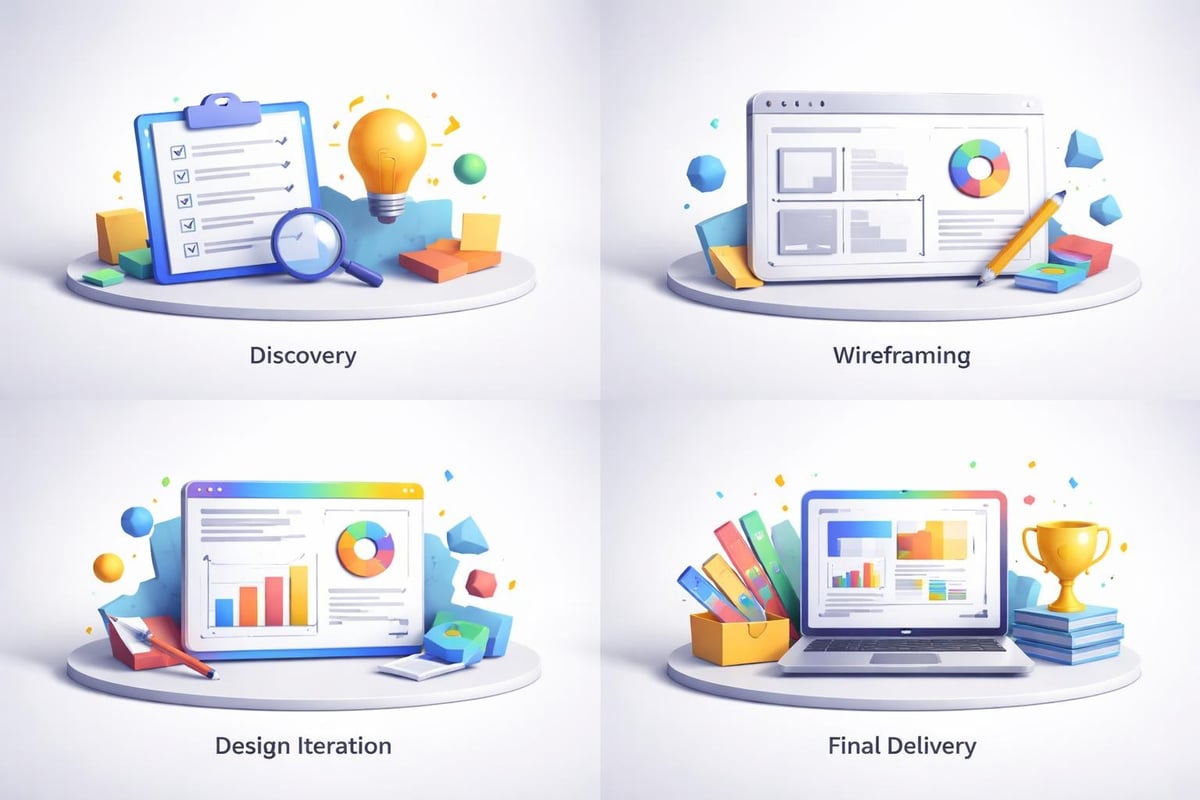
Professional design workflow process

Template Customization and Brand Adaptation

For recurring presentation needs, customized templates offer an effective middle ground between DIY approaches and full custom design for every deck. Selecting attractive PowerPoint templates that align with brand guidelines provides consistent quality while maintaining production efficiency.

Premium template libraries offer sophisticated designs that rival custom work when properly adapted. The key lies in customization, replacing stock imagery with brand-specific visuals, adjusting color palettes to match corporate identity, and modifying layouts to suit specific content requirements.

Approach Time Investment Quality Level Cost
DIY with basic templates Low Variable Minimal
Premium customized templates Medium Good Moderate
Professional design agency High Excellent Premium
In-house design team Ongoing Excellent Substantial

Advanced Techniques for Maximum Impact

Sophisticated presenters employ advanced techniques that elevate presentations beyond standard practices. These methods demonstrate mastery of both design principles and audience psychology.

Multimedia Integration

Integrating multimedia elements like video clips, audio narration, and interactive elements transforms static presentations into dynamic experiences. Technology demonstrations benefit particularly from embedded video showing actual product functionality rather than describing features through bullet points.

Financial presentations might incorporate brief interview clips with satisfied clients or industry analysts, adding third-party validation that strengthens credibility. The key is ensuring multimedia enhances rather than distracts from core messages.

Progressive Disclosure and Build Sequences

Complex concepts become manageable through progressive disclosure, revealing information incrementally rather than overwhelming audiences with complete slides. This technique proves especially valuable when explaining technical architectures or detailed financial models.

A presentation explaining a sophisticated fintech platform might first show the overall system architecture, then build in each component layer by layer, explaining how elements interact. This sequential approach helps audiences construct mental models that support understanding and retention.

White Space as a Design Element

Paradoxically, what you leave out of slides often matters as much as what you include. Strategic white space creates breathing room that allows important elements to command attention. Cluttered slides with every pixel filled signal amateur design and make information processing difficult.

Professional designers understand that margins, padding, and negative space aren't wasted areas but essential components that enhance readability and visual appeal. This principle applies equally to text slides, data visualizations, and image-based layouts.

Quality Assurance and Final Polish

Even expertly designed presentations can falter due to technical oversights or consistency lapses. Rigorous quality assurance processes ensure that presentations perform flawlessly when stakes are highest.

Technical Validation Checklist

Before finalizing any professional powerpoint presentation, thorough technical review catches issues that could undermine credibility during delivery:

  • Font embedding ensures custom typefaces display correctly on any computer
  • Link verification confirms all hyperlinks function as intended
  • Image resolution checks prevent pixelation when projected
  • File size optimization ensures smooth performance and easy sharing
  • Animation testing validates that builds and transitions work properly
  • Spelling and grammar review eliminates embarrassing errors
  • Version control tracks changes and maintains backups

Organizations presenting to investors or major clients often conduct full dress rehearsals using actual presentation equipment, identifying technical issues before they impact real outcomes.

Accessibility Considerations

Professional presentations consider diverse audience needs, including those with visual impairments or color blindness. Implementing accessibility best practices expands reach while demonstrating organizational values around inclusion.

Accessibility enhancements include:

  • Sufficient color contrast ratios meeting WCAG standards
  • Alternative text descriptions for images and graphics
  • Logical reading order for screen reader compatibility
  • Captions or transcripts for video and audio content
  • Avoiding color as the sole means of conveying information

These considerations ensure presentations communicate effectively regardless of how audiences consume content.

Measuring Presentation Effectiveness

The ultimate test of a professional powerpoint presentation lies in outcomes achieved. Tracking metrics and gathering feedback enables continuous improvement and validates design investments.

Performance Indicators and Success Metrics

Different presentation contexts require different success measures:

Presentation Type Primary Metrics Secondary Indicators
Investor pitch Funding secured, follow-up meetings Time to decision, questions asked
Sales presentation Deals closed, proposal requests Engagement scores, referrals
Conference keynote Audience surveys, social mentions Website traffic, lead generation
Internal update Clarity ratings, action completion Meeting efficiency, alignment

Sophisticated presenters conduct post-presentation analysis, identifying which slides generated most discussion, where audiences seemed confused, and what messages resonated most strongly. These insights inform future presentation development.

Iterative Improvement Process

Excellence in presentation design emerges through continuous refinement. Each presentation offers learning opportunities that enhance subsequent efforts. Organizations committed to presentation quality establish feedback loops that capture audience responses and presenter observations.

This might include brief surveys distributed after investor meetings, analyzing which pitch decks successfully secured funding versus those that didn't, or reviewing recorded presentations to identify improvement opportunities. Over time, these insights accumulate into institutional knowledge that elevates all presentation work.

Creating Impactful Cover Slides

First impressions form within seconds, making presentation cover design crucial for setting appropriate tone and expectations. The title slide must capture attention, communicate professionalism, and establish credibility before any words are spoken.

Effective cover slides balance visual impact with essential information: presentation title, presenter name and title, company branding, and date or context. The design should align with overall presentation aesthetics while standing out as a distinctive opener that signals the beginning of a professional experience.


Mastering professional PowerPoint presentation design requires understanding visual principles, audience psychology, and technical capabilities that transform ordinary slides into compelling business communications. For financial and tech organizations where presentation quality directly impacts funding decisions, client acquisitions, and strategic partnerships, investing in professional design expertise delivers measurable returns. Prznt Perfect specializes in creating visually stunning presentations that transform complex financial data and technical concepts into clear, actionable narratives that resonate with investors and stakeholders, helping businesses communicate their value with confidence and impact.

News & Updates...

Discover the best website to make presentations in 2026. Compare features, pricing, and capabilities for creating impactful slides online.

Discover how professional presentation design services elevate financial and tech communications through expert visual storytelling and data narratives.