
Branding Presentation Guide: Strategies for 2026 Success

Imagine delivering a branding presentation that not only impresses but sparks real action in 2026’s ever-evolving market. Today, branding presentations have become essential for winning over investors, aligning teams, and accelerating business growth.
As digital trends and audience expectations shift rapidly, crafting a modern branding presentation requires fresh strategies and innovative tools. The right approach helps your message stand out and resonate with any audience.
This guide offers a practical blueprint to structure, design, and deliver branding presentations that elevate your brand. We’ll explore proven methods, the latest technology, and expert storytelling techniques.
Get ready to unlock the steps, trends, and tips you need for branding presentation success in 2026.
Understanding the Branding Presentation Landscape in 2026
Branding presentations have become essential for organizations seeking to build influence, trust, and recognition in a rapidly changing business environment. The branding presentation is no longer just a slide deck; it is a strategic tool that shapes perceptions and guides action.

The Evolving Role of Branding Presentations
The branding presentation has shifted from a static report to a dynamic driver of business growth. Today, organizations use branding presentations to align internal teams, secure stakeholder buy-in, and position themselves in competitive markets.
Hybrid work and increasingly global teams have amplified the need for clear, engaging branding presentation materials. Startups often use branding presentations to pitch their vision to investors, while established enterprises leverage them for internal alignment and market repositioning. According to the Prezi Blog, 70% of executives state that a clear branding presentation is crucial for strategic decision-making.
Branding presentations are now common in investor pitches, product launches, and employer branding initiatives. Their flexibility allows organizations to adapt messaging for multiple audiences, making them an indispensable asset.
Key Components of a Modern Branding Presentation
A successful branding presentation is structured around several fundamental elements. First, it should provide a concise brand overview, including the mission, vision, and values. Understanding the target audience and market positioning is also vital.
Visual identity plays a central role: logos, color palettes, and imagery must be consistent and memorable. Communication style, encompassing voice, tone, and messaging, should align with your brand’s personality. Effective branding presentations showcase real-world applications, such as digital campaigns, print materials, and experiential branding.
Finally, detailed brand guidelines and usage standards ensure consistency across all touchpoints. For a more in-depth look at structuring impactful branding presentations, refer to this branding strategy presentation guide.
The Audience Shift: Who Are You Presenting To?
The branding presentation must be tailored to the audience’s needs, knowledge level, and expectations. Clients, investors, internal teams, and partners each require a different approach.
For example, a tech company’s branding presentation for investors will emphasize market opportunities and financial growth, while a deck for engineers will focus on product features and technical vision. Understanding these differences helps presenters craft messages that resonate, build trust, and inspire action.
Customizing the branding presentation content ensures relevance and keeps each audience engaged. This adaptability is key for maximizing the presentation’s impact.
The Impact of Digital Transformation
Digital transformation is reshaping the branding presentation landscape. Virtual and hybrid presentations are now the norm, making it necessary to use tools that support collaboration and engagement across locations.
AI-driven platforms streamline branding presentation creation, offering real-time analytics and automated content suggestions. Accessibility and inclusivity have become priorities, with designs optimized for readability, color contrast, and screen readers.
With digital tools, organizations can track engagement, gather feedback, and continuously refine their branding presentation strategy. The integration of technology makes it possible to reach wider audiences while maintaining a high standard of clarity and professionalism.
Step-by-Step Guide to Crafting a Winning Branding Presentation
Creating a standout branding presentation in 2026 means blending strategy, storytelling, and visual impact. Each step in this guide is designed to help you engage your audience, clarify your message, and drive meaningful action—regardless of your industry or audience.
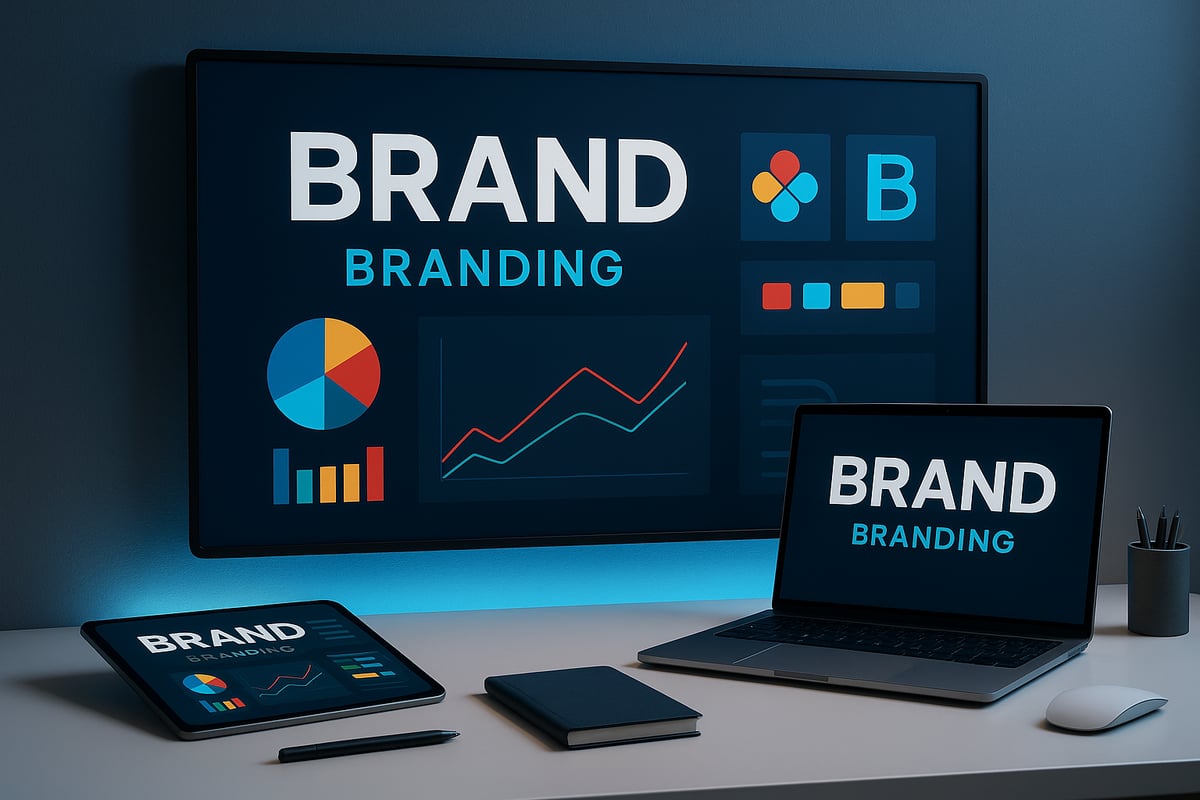
Step 1: Define Clear Objectives and Audience
Begin every branding presentation by establishing clear objectives. Are you aiming to build awareness, secure buy-in, educate your team, or prompt action? Clarifying this focus will shape your entire approach.
Next, research your audience. Understand their needs, pain points, and expectations. For example, a personal branding presentation for a creative professional will differ significantly from a corporate branding presentation targeting executives.
Ask yourself:
- Who will view this branding presentation?
- What is their level of familiarity with your brand?
- Which outcomes matter most to them?
Tailoring your messaging ensures relevance and maximizes impact.
Step 2: Develop a Compelling Brand Story
A memorable branding presentation is built on a strong narrative. Use proven storytelling frameworks, such as the hero’s journey, problem-solution, or before/after structure, to guide your content.
Embed your brand’s mission, vision, and values throughout the story. Share how your journey addresses challenges and creates value. Research shows that presentations with strong stories increase retention by 60 percent.
Consider brands like Grammarly, which uses consistent storytelling across every slide. This approach helps audiences connect emotionally and remember your message long after the branding presentation ends.
Step 3: Showcase Unique Value Proposition
Highlight what sets your brand apart. Identify your key differentiators—whether innovation, culture, products, or services—and compare them to competitors to emphasize your unique positioning.
Support your claims with real-world case studies and success stories. For instance, a fashion brand might spotlight its heritage and design philosophy to demonstrate authenticity.
Use a simple table to compare your brand’s strengths with competitors:
| Feature | Your Brand | Competitor A | Competitor B |
|---|---|---|---|
| Innovation | ✔️ | ❌ | ✔️ |
| Heritage | ✔️ | ✔️ | ❌ |
| Customer Loyalty | ✔️ | ❌ | ✔️ |
A focused value proposition ensures your branding presentation stands out.
Step 4: Design Visually Impactful Slides
Strong visuals are essential for any branding presentation. Use your brand’s colors, logos, and consistent typography to reinforce your identity. Incorporate high-quality visuals, infographics, and charts to clarify complex information.
Limit text on slides, focusing on simplicity and clarity. Data shows that visuals enhance audience understanding by 400 percent. For foundational design principles and key elements, review the Branding PowerPoint essentials resource for practical tips.
A cohesive visual approach makes your branding presentation both memorable and persuasive.
Step 5: Integrate Interactive and Engaging Elements
Modern audiences expect more than static slides. Add interactive features such as live demos, polls, or Q&A sessions to foster engagement. For virtual or hybrid settings, use interactive presentation tools that allow real-time participation.
Prezi’s Live session feature, for example, enables presenters to interact directly with remote audiences, increasing attention and feedback. Interactive elements transform your branding presentation from a one-way message into a dynamic experience.
Step 6: Provide Clear Next Steps and Calls to Action
Never end a branding presentation without guiding your audience on what comes next. Conclude with explicit calls to action—whether it’s requesting feedback, seeking approval, or outlining follow-up steps.
Make these actions relevant and achievable for your audience. For example, after an investor-focused branding presentation, the next step might be scheduling a deeper financial review. Clear direction ensures momentum continues beyond the meeting.
Step 7: Prepare for Delivery and Feedback
Even the best branding presentation can falter without strong delivery. Practice your presentation to build confidence and ensure clarity. Anticipate common questions and prepare thoughtful responses.
After presenting, gather feedback from your audience. Use their insights to refine your approach for future branding presentation opportunities. Continuous improvement is key to staying ahead in 2026’s evolving landscape.
Design and Technology Trends Shaping Branding Presentations in 2026
The landscape for branding presentation is evolving rapidly in 2026. New design styles and technologies are setting a higher bar for how brands communicate their value and vision. Staying ahead of these changes is crucial for delivering presentations that truly resonate.

Cutting-Edge Visual Design Trends
Visual storytelling is at the heart of every impactful branding presentation. In 2026, minimalist layouts dominate, paired with bold color contrasts that capture attention instantly. Brands are also embracing dynamic animation and motion graphics to guide viewers through key points and bring complex ideas to life.
Custom illustrations and unique iconography help brands stand out, making each branding presentation memorable and distinctive. For a deep dive into these trends and practical design tips, explore the presentation design trends for 2026 to ensure your slides reflect the latest innovations.
Leveraging AI and Automation
AI-powered tools have become essential for streamlining branding presentation creation. These platforms offer automated content suggestions, design templates, and even real-time error correction. As a result, teams can produce polished, on-brand slides in half the time it once took.
Automation ensures consistency in layout, color schemes, and typography, reducing manual errors. AI also enables rapid iteration, so you can quickly adapt a branding presentation based on feedback or audience needs. This technological edge keeps presentations current and compelling.
Interactive and Experiential Elements
Modern audiences expect more than static slides. Embedding live data feeds, clickable prototypes, and real-time polls transforms a branding presentation into an interactive experience. AR and VR integration take engagement even further, allowing viewers to explore products or services in immersive environments.
Brands launching new products often use interactive demos within their branding presentation to spark curiosity and drive deeper understanding. These elements make information memorable and foster stronger connections with the audience.
Accessibility and Inclusivity
Designing for accessibility is no longer optional for a successful branding presentation. High color contrast, readable fonts, and descriptive alt text ensure that everyone can engage with your content. Compliance with global accessibility standards demonstrates your brand’s commitment to inclusivity.
Accessible branding presentation design also benefits all audiences, improving clarity and reducing cognitive load. By prioritizing these elements, your presentation is both ethical and effective.
Integration with Digital Platforms
Seamless integration with digital platforms is reshaping how branding presentation is delivered and measured. Presentations can now be shared instantly across video conferencing tools, social media, and company websites.
Built-in analytics help track viewer engagement, such as slide dwell time and interaction rates. This data empowers brands to refine their branding presentation strategy and maximize impact across every channel.
Common Pitfalls and How to Avoid Them
Creating a branding presentation in 2026 means navigating several common pitfalls that can undermine your message and impact. By recognizing these challenges, you can ensure your branding presentation stands out and delivers results.
Overloading Slides with Information
One of the most frequent mistakes is cramming too much content onto each slide. Audiences quickly lose focus when overwhelmed by excessive text, data, or visuals. Instead, keep each slide focused on a single key message, supported by concise visuals or infographics.
- Use bullet points to summarize complex ideas.
- Limit text to essential information.
- Incorporate clear, relevant imagery for emphasis.
For more on the evolution of effective branding presentation design, especially for tech startups, see the Evolution of branding design for tech startups.
Inconsistent Branding and Messaging
Mixing fonts, colors, or styles can confuse your audience and dilute your message. Consistency in every aspect of your branding presentation is crucial for professionalism and credibility.
- Stick to your brand’s approved color palette and typography.
- Use the same logo placement and sizing throughout.
- Align messaging with your brand’s voice and tone.
Maintaining uniformity is key; learn more about consistency in presentation design to avoid this common pitfall.
Neglecting Audience Knowledge and Needs
Assuming your audience knows more or less than they actually do can lead to disengagement. Always tailor your branding presentation to their specific background and expectations.
- Research your audience’s expertise and interests.
- Adjust the complexity of your content accordingly.
- Use relatable examples that connect with their experience.
A branding presentation that resonates with its audience is far more likely to inspire action.
Skipping the Brand Story and Competitive Context
Failing to include your brand’s story or address the broader market context weakens your overall impact. Stories foster emotional connection, while competitive insights highlight your strengths.
- Share your brand heritage, mission, and vision.
- Use storytelling frameworks to guide your narrative.
- Compare your brand to key competitors, emphasizing unique advantages.
A compelling story transforms your branding presentation from a static deck into an engaging journey.
Lack of Proofreading, Quality Control, and Preparedness
Typos, inaccuracies, or being unprepared for questions can erode trust quickly. Every branding presentation should be thoroughly reviewed and rehearsed.
- Proofread slides for grammar, spelling, and data accuracy.
- Establish a review process with multiple stakeholders.
- Anticipate common questions and prepare clear answers.
By addressing these pitfalls, your branding presentation will be polished, persuasive, and ready for any audience.
Expert Tips for Lasting Impact and Brand Alignment
Creating a standout branding presentation in 2026 demands more than great visuals. It requires strategic storytelling, consistent design, and a commitment to continuous improvement. Use these expert tips to ensure your next branding presentation leaves a lasting impression and aligns with your broader brand goals.
Start with a Strong, Memorable Opening
The first moments of your branding presentation set the tone for everything that follows. Begin with a compelling story, a striking statistic, or a thought-provoking question that resonates with your audience. For example, a fashion brand might open with a narrative about its founding vision, immediately forging an emotional connection.
A memorable start hooks attention and frames your key messages. Consider using a brief anecdote or customer testimonial to humanize your brand. This approach not only captivates but also makes your branding presentation more relatable and authentic.
Focus on Consistency and Professionalism
Consistency is the backbone of any effective branding presentation. Ensure every slide aligns with your brand guidelines, including color palette, typography, and logo placement. Using templates and brand kits helps maintain a professional look throughout.
Staying updated on branding and design trends for 2026 can keep your presentations fresh and relevant. Incorporate modern design elements that reinforce your brand identity and message. Consistency builds trust, making your branding presentation more persuasive and credible.
Use Real-World Examples and Proof Points
Bring your branding presentation to life by showcasing real-world examples, case studies, and client testimonials. Presenting your brand in action—such as campaign results or customer success stories—demonstrates tangible impact. Data shows that presentations with real-world examples are twice as persuasive.
Consider referencing graphic design trends for 2026 to add texture and warmth to your visuals. This approach not only illustrates expertise but also makes your branding presentation more memorable and relatable.
Incorporate Feedback and Iterate
Continuous improvement is vital for branding presentation excellence. After each presentation, gather feedback from stakeholders and your audience. Analyze what worked well and identify areas for enhancement.
Use surveys, direct questions, or analytics data to collect insights. Iterating based on feedback ensures your branding presentation evolves with changing expectations and remains effective over time.
Utilize Professional Support When Needed
Sometimes, the stakes for your branding presentation are high enough to warrant expert help. Engaging professional designers or presentation consultants can elevate your slides with advanced storytelling, data visualization, and creative direction.
Professional support is especially valuable for investor pitches, executive meetings, or major product launches. Their expertise ensures your branding presentation is polished, persuasive, and aligned with your strategic objectives.
How Prznt Perfect Elevates Branding Presentations
Prznt Perfect transforms complex brand narratives into visually stunning presentations, specializing in finance and tech sectors. Their services span creative consulting, marcom design, data visualization, and brand management.
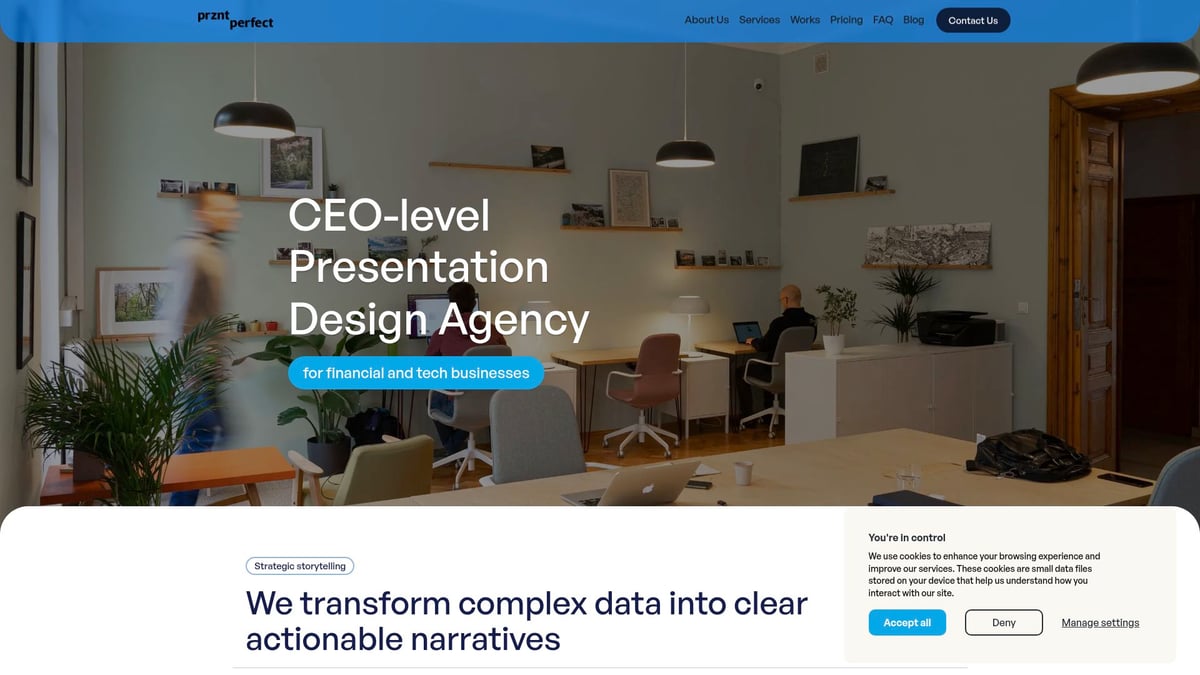
With a proven track record, Prznt Perfect has helped clients raise over $2.3 billion through compelling pitch decks. Trusted by Fortune 500 leaders, they offer scalable solutions for both startups and enterprises. Their clarity, creativity, and reliability have earned them 5-star client satisfaction and industry recognition.
Stay Ahead with Continuous Learning
The branding presentation landscape is ever-evolving. Stay informed about emerging trends, tools, and best practices by joining workshops, webinars, and professional communities.
Keeping your skills sharp ensures your branding presentation remains innovative and impactful. Regular learning empowers you to adapt quickly and maintain a competitive edge in every presentation you deliver.


- This is some text inside of a div block.lay out the facts clearly and compellingly. Use data to establish the ground reality, but remember that facts alone are like the individual strands of a tapestry—necessary but not complete.lay out the facts clearly and compellingly. Use data to establish the ground reality, but remember that facts alone are like the individual strands of a tapestry—necessary but not complete.
- This is some text inside of a div block.lay out the facts clearly and compellingly. Use data to establish the ground reality, but remember that facts alone are like the individual strands of a tapestry—necessary but not complete.

.png)
