PowerPoint Presentation Designers: A Complete Guide

In today's competitive business landscape, first impressions matter more than ever. Whether you're pitching to investors, presenting quarterly results, or delivering a keynote at a technology conference, the visual quality of your presentation can make or break your message. This is where powerpoint presentation designers come into play. These specialized professionals transform ordinary slides into compelling visual narratives that capture attention, clarify complex information, and drive action. For financial and tech companies dealing with intricate data sets and sophisticated concepts, working with experienced designers has become less of a luxury and more of a strategic necessity.

Understanding the Role of PowerPoint Presentation Designers

PowerPoint presentation designers are visual communication specialists who blend graphic design expertise with an understanding of business storytelling. Unlike general graphic designers, these professionals focus specifically on creating slide-based presentations that engage audiences and support presenters in achieving their goals.

What Sets Professional Designers Apart

The distinction between a standard presentation and a professionally designed one goes far beyond aesthetic appeal. Professional powerpoint presentation designers bring several critical competencies to every project:

  • Visual hierarchy expertise that guides the viewer's eye to the most important information
  • Data visualization skills that transform spreadsheets into comprehensible charts and infographics
  • Brand consistency that aligns every slide with corporate identity guidelines
  • Storytelling structure that creates logical flow and narrative momentum
  • Technical proficiency in advanced PowerPoint features and design software

These specialists understand that design choices directly impact how audiences process and retain information. Research shows that well-designed presentations can increase audience comprehension by up to 43%, making the investment in professional design services measurable in terms of business outcomes.

Designer transforming complex financial data

The Design Process Behind Exceptional Presentations

Professional designers follow a structured approach when creating presentations. This methodology ensures that every slide serves a strategic purpose while maintaining visual coherence throughout the deck.

The typical workflow includes:

  1. Discovery and research to understand the client's objectives, audience, and key messages
  2. Content analysis to identify the core narrative and supporting data points
  3. Visual strategy development establishing design direction, color palettes, and typography
  4. Draft creation with initial slide layouts and visual concepts
  5. Revision and refinement based on client feedback and presentation requirements
  6. Final production with quality checks and format optimization

This systematic approach distinguishes professional services from quick template-based solutions. When working with specialized presentation design agencies, clients benefit from this proven methodology applied to their specific industry context.

Core Skills Every Presentation Designer Must Master

The field of presentation design requires a unique combination of creative and technical abilities. Powerpoint presentation designers must continuously develop their skill sets to stay relevant in an evolving digital landscape.

Visual Design Fundamentals

Strong foundational skills in color theory, typography, and composition form the bedrock of effective presentation design. Designers must understand how different color combinations affect readability and emotional response, particularly when creating professional PowerPoint presentations for high-stakes business situations.

Typography choices significantly impact both aesthetics and functionality. Professional designers know which font families work best for financial data versus marketing content, and how to establish typographic hierarchies that support message clarity without overwhelming viewers.

Key visual principles include:

  • Contrast for emphasis and readability
  • Alignment for professional polish and organization
  • Repetition for brand consistency and visual rhythm
  • Proximity for logical grouping of related information
  • White space for visual breathing room and focus

Data Visualization Expertise

For financial and technology companies, the ability to visualize complex data sets represents perhaps the most valuable skill powerpoint presentation designers can offer. Transforming quarterly earnings reports, market analysis, or technical specifications into comprehensible visuals requires both design talent and analytical thinking.

Data Type Effective Visualization Poor Choice
Trends over time Line charts, area graphs Pie charts, word clouds
Comparisons Bar charts, column charts 3D charts, pictographs
Proportions Pie charts (limited slices), treemaps Multiple pie charts
Relationships Scatter plots, bubble charts Tables, text lists
Processes Flow diagrams, timelines Bullet points

Understanding when to use each visualization type and how to design it for maximum clarity separates competent designers from exceptional ones. The best practices for designing PowerPoint presentations emphasize this critical skill.

Industry-Specific Considerations for Tech and Financial Presentations

PowerPoint presentation designers working with technology and financial services clients face unique challenges that require specialized knowledge and approaches.

Financial Sector Requirements

Financial presentations demand precision, credibility, and regulatory compliance. Designers working in this space must understand how to present sensitive information clearly while maintaining the gravitas expected in corporate finance settings.

When creating fintech pitch decks, designers must balance innovation with trustworthiness. The visual language should communicate forward-thinking technology while reassuring investors about security and compliance measures.

Financial presentation priorities:

  • Accuracy in data representation with no room for misinterpretation
  • Conservative color palettes that convey professionalism and stability
  • Clear disclosure of methodologies, assumptions, and risk factors
  • Charts optimized for dense numerical information
  • Brand alignment with established financial institutions

Technology Sector Dynamics

Tech presentations often require powerpoint presentation designers to explain complex technical concepts to diverse audiences, from engineers to potential customers to board members. The challenge lies in maintaining technical accuracy while ensuring accessibility.

Cybersecurity firms, blockchain startups, and SaaS companies each have distinct visual communication needs. A cybersecurity pitch deck might emphasize threat landscapes and protection frameworks, while a software presentation focuses on user interfaces and workflow improvements.

Technical concept visualization

Working Effectively with Presentation Design Professionals

Maximizing the value of powerpoint presentation designers requires understanding how to collaborate productively throughout the design process.

Preparing for a Design Engagement

Successful projects begin with thorough preparation. Before engaging designers, organizations should gather essential materials and clarify their objectives.

Prepare the following:

  1. Existing brand guidelines, logos, and approved color palettes
  2. Content outline or script with key messages identified
  3. Previous presentations that worked well (or didn't)
  4. Audience information and presentation context details
  5. Timeline requirements and any immovable deadlines
  6. Budget parameters and scope expectations

Clear communication from the outset prevents misunderstandings and revision cycles. When you schedule consultations with presentation agencies, come prepared with this information to facilitate productive initial discussions.

Communication Best Practices

The relationship between clients and powerpoint presentation designers works best when both parties communicate clearly and respectfully about expectations, limitations, and feedback.

Do Don't
Provide specific, actionable feedback Give vague comments like "make it pop"
Share examples of styles you like Send conflicting direction from multiple stakeholders
Respect the designer's expertise Micromanage design decisions
Set realistic timelines Expect major revisions overnight
Consolidate feedback from your team Send feedback piecemeal over days

Professional designers appreciate clients who understand the creative process while maintaining clear decision-making authority. This balance produces the best results in the shortest timeframe.

Common Design Mistakes and How Professionals Avoid Them

Even experienced presenters sometimes fall into design traps that undermine their messages. Powerpoint presentation designers help clients avoid these pitfalls through expert guidance and quality control.

Overcrowded Slides and Information Overload

The most pervasive mistake in presentation design involves cramming too much information onto individual slides. This overwhelms audiences and dilutes key messages. Professional designers apply the principle that each slide should communicate one main idea supported by minimal text and strong visuals.

According to design tips from leading universities, effective slides typically contain no more than six lines of text with six words per line. Powerpoint presentation designers often push for even more concise approaches, using visuals to carry the majority of the communication burden.

Template Misuse and Generic Aesthetics

While templates can provide starting points, relying too heavily on standard PowerPoint templates creates generic presentations that fail to differentiate your message. Professional designers either customize templates extensively or build presentations from scratch to ensure uniqueness and brand alignment.

The investment in custom design pays dividends when presentations need to stand out in competitive situations. Whether you're exploring attractive PowerPoint templates or commissioning fully custom work, the goal remains the same: visual distinctiveness that reinforces your brand identity.

Inconsistent Visual Language

Inconsistency confuses audiences and appears unprofessional. Powerpoint presentation designers maintain strict consistency across multiple dimensions:

  • Typography: Limiting font families to two or three maximum
  • Color application: Using brand colors systematically with defined hierarchies
  • Icon styles: Ensuring all icons match in weight, style, and perspective
  • Image treatment: Applying consistent filters, cropping, and framing
  • Layout grids: Maintaining alignment and spacing standards throughout

This attention to detail creates cohesive presentations that feel intentionally crafted rather than hastily assembled. The design best practices outlined by industry experts emphasize this consistency as foundational to professional quality.

Before and after presentation transformation

The Business Value of Professional Presentation Design

Investing in powerpoint presentation designers delivers tangible returns across multiple business dimensions. Understanding this value proposition helps justify budget allocations and resource commitments.

Measurable Impact on Business Outcomes

Well-designed presentations directly influence critical business metrics. Research indicates that professionally designed pitch decks receive funding at rates 30% higher than poorly designed alternatives. Similarly, sales presentations with strong visual design convert prospects more effectively than text-heavy approaches.

Business benefits include:

  • Increased investor confidence through polished, professional materials
  • Higher conversion rates in sales presentations and proposals
  • Enhanced brand perception across all stakeholder interactions
  • Improved information retention leading to better decision-making
  • Time savings for executives who can focus on content rather than design

For technology and financial firms where presentation quality directly impacts fundraising, partnership development, and client acquisition, these improvements translate to substantial competitive advantages.

Time and Resource Efficiency

The hidden cost of DIY presentations often exceeds the investment in professional powerpoint presentation designers. Executives and technical experts spending hours struggling with design tools represent expensive misallocations of specialized talent.

Professional designers complete in hours what might take internal teams days or weeks. More importantly, they produce results that don't require endless revision cycles or apologetic explanations about visual quality. This efficiency becomes especially valuable during time-sensitive opportunities like funding rounds or competitive RFPs.

Selecting the Right Presentation Design Partner

Not all powerpoint presentation designers offer the same capabilities or fit for every organization. Choosing the right partner requires evaluating multiple factors beyond portfolio aesthetics.

Evaluation Criteria for Design Agencies

When assessing potential design partners, consider these critical dimensions:

  1. Industry experience: Familiarity with your sector's visual conventions and communication norms
  2. Portfolio quality: Demonstrated ability to handle projects of similar complexity and scale
  3. Process transparency: Clear workflows, timelines, and communication protocols
  4. Technical capabilities: Proficiency with required software and file formats
  5. Revision policies: Understanding of what's included in base pricing versus additional costs
  6. Testimonials and references: Verification of past client satisfaction and results

Agencies specializing in financial and technology presentations bring valuable context that generalist designers may lack. When reviewing presentation design portfolios, look for evidence of work with companies similar to yours facing comparable communication challenges.

Questions to Ask During Initial Consultations

Productive conversations with potential powerpoint presentation designers should clarify expectations and assess cultural fit. Important questions include:

Process and timeline questions:

  • What information do you need from us to begin work?
  • How many revision rounds are included in your standard process?
  • What happens if we need rush turnaround on updates?
  • How do you handle presentations requiring multiple internal approvals?

Creative approach questions:

  • How do you balance our input with your design expertise?
  • Can you show examples of how you've visualized data similar to ours?
  • What's your approach to maintaining brand consistency across multiple presentations?
  • How do you stay current with design trends and presentation best practices?

These discussions reveal whether designers understand your needs and can deliver within your constraints. The common mistakes highlighted by presentation experts often stem from misaligned expectations that careful vetting prevents.

Emerging Trends Shaping Presentation Design

The field of presentation design continues evolving as technology advances and audience expectations shift. Powerpoint presentation designers who stay ahead of these trends deliver more impactful work.

Interactive and Dynamic Presentations

Static slides increasingly give way to interactive elements that engage audiences more deeply. Modern PowerPoint includes capabilities for embedded videos, clickable navigation, and animated transitions that professional designers leverage strategically.

However, interactivity requires restraint. Excessive animation distracts rather than enhances, while overly complex navigation confuses presenters and audiences alike. Skilled powerpoint presentation designers know when interactivity adds value versus when simplicity serves better.

Data-Driven Storytelling

As organizations collect increasingly sophisticated data, presentations must evolve to communicate insights rather than just display numbers. This shift demands designers who understand both data science principles and narrative structure.

Effective data storytelling involves:

  • Contextualizing numbers within broader business narratives
  • Highlighting trends and patterns rather than raw figures
  • Using progressive disclosure to build understanding step-by-step
  • Combining quantitative data with qualitative examples and case studies
  • Designing for both presentation delivery and standalone reading

Financial services and technology companies particularly benefit from this approach, as their audiences demand both analytical rigor and strategic clarity.

Accessibility and Inclusive Design

Professional powerpoint presentation designers increasingly prioritize accessibility, ensuring presentations work for audiences with diverse needs. This includes proper color contrast for visibility, alt text for images, and logical reading order for screen readers.

Beyond regulatory compliance, accessible design simply reaches more people effectively. Color choices that work for colorblind viewers, font sizes readable from the back of conference rooms, and clear visual hierarchies benefit everyone in the audience.

Investment Considerations and Pricing Models

Understanding how powerpoint presentation designers structure their services helps organizations budget appropriately and select arrangements that fit their needs.

Common Pricing Structures

Presentation design services typically follow one of several pricing models:

Model Best For Typical Range
Per-slide pricing Single presentations, predictable scope $50-$200 per slide
Project-based Complete decks with defined deliverables $2,000-$15,000+
Hourly rates Ongoing support, unclear scope $75-$250 per hour
Retainer agreements Regular presentation needs $3,000-$10,000 monthly

Each model has advantages depending on your situation. Per-slide pricing offers predictability but may not account for slide complexity variations. Project-based pricing works well for defined scopes but requires clear upfront specifications. Organizations with regular presentation needs often find retainers most cost-effective.

When evaluating pricing for presentation services, consider the total value delivered rather than just the per-slide cost. A higher-priced designer who nails the concept in one revision cycle often proves more economical than cheaper alternatives requiring extensive back-and-forth.

Building Long-Term Design Partnerships

Organizations with frequent presentation needs benefit significantly from establishing ongoing relationships with powerpoint presentation designers. These partnerships enable designers to develop deep familiarity with your brand, industry context, and internal stakeholders.

Long-term collaborations deliver:

  • Faster turnaround times as designers understand your preferences and requirements
  • Consistent quality across all presentations and materials
  • Proactive improvements as designers identify opportunities to enhance your visual communications
  • Strategic consultation extending beyond individual projects to overall presentation strategy
  • Priority scheduling when urgent needs arise

Whether through formal retainer arrangements or preferred vendor relationships, these ongoing connections maximize the value powerpoint presentation designers provide while minimizing friction in the creative process.


Mastering presentation design requires specialized expertise that most organizations lack internally, making professional powerpoint presentation designers invaluable partners for businesses that depend on visual communication to drive results. By understanding what these professionals bring to the table and how to work with them effectively, financial and tech companies can transform their presentations from necessary evils into strategic advantages. If you're ready to elevate your presentation quality and make every slide count, Prznt Perfect specializes in creating visually stunning presentations that transform complex data into compelling narratives for financial and technology businesses.

We offer free 30-min consultation on the presentation design audit
and hiring the right visual 
comms professional, let’s talk!
Shedule a call
Shedule a call
"I understand" goes a step further into the cognitive dance of persuasion. It's where the audience begins to see the connections between the facts, to grasp the nuances of the problem and the elegance of the solution.
  • This is some text inside of a div block.
    lay out the facts clearly and compellingly. Use data to establish the ground reality, but remember that facts alone are like the individual strands of a tapestry—necessary but not complete.
    lay out the facts clearly and compellingly. Use data to establish the ground reality, but remember that facts alone are like the individual strands of a tapestry—necessary but not complete.
  • This is some text inside of a div block.
    lay out the facts clearly and compellingly. Use data to establish the ground reality, but remember that facts alone are like the individual strands of a tapestry—necessary but not complete.

We offer free 30-min consultation on the presentation design audit

and hiring the right visual 
comms professional, let’s talk!

Shedule a call

"I understand" goes a step further into the cognitive dance of persuasion. It's where the audience begins to see the connections between the facts, to grasp the nuances of the problem and the elegance of the solution.

  • - 1 -
    Consistency at Scale:

    Biotech Market Trends 2024: Tailoring Your Pitch Deck to Current Industry Dynamics.

  • - 2 -
    Efficiency and Speed:

    The traditional process of manually updating presentations is not only slow but also prone to bottlenecks, especially when dealing with large volumes of slides. Automation dramatically accelerates this process, enabling designers to apply changes across hundreds of slides in the time it would take to manually update a single one. This efficiency is a game-changer for agencies working under tight deadlines or managing multiple projects simultaneously.

  • - 3 -
    Enhanced Creativity:

    With the burden of manual updates lifted, designers can allocate more time and energy to the creative aspects of presentation design. This freedom allows for deeper exploration of innovative design concepts, experimentation with new visual storytelling techniques, and the development of more engaging and interactive presentations. Automation doesn't stifle creativity; it amplifies it, enabling designers to push the boundaries of what's possible in corporate presentation design.

  • - 4 -
    Error Reduction:

    Manual updates are inherently prone to inconsistencies and mistakes, from misaligned logos to incorrect font sizes. These errors can detract from the professionalism of a presentation and, by extension, the corporate image. Automation minimizes these risks by ensuring that updates are applied uniformly and accurately across all slides, enhancing the overall quality and integrity of the presentation.

  • - 5 -
    Cost-Effectiveness:

    The time savings afforded by automation directly translate to cost savings for both the design agency and its clients. By reducing the hours spent on manual updates, agencies can optimize their workflows and resources, allowing them to take on more projects without compromising on quality. This efficiency can also make high-quality presentation design services more affordable and accessible to a broader range of businesses.

PowerPoint Presentation Designers: A Complete Guide
Discover what powerpoint presentation designers do, how they transform business communications, and best practices for working with design professionals.

In today's competitive business landscape, first impressions matter more than ever. Whether you're pitching to investors, presenting quarterly results, or delivering a keynote at a technology conference, the visual quality of your presentation can make or break your message. This is where powerpoint presentation designers come into play. These specialized professionals transform ordinary slides into compelling visual narratives that capture attention, clarify complex information, and drive action. For financial and tech companies dealing with intricate data sets and sophisticated concepts, working with experienced designers has become less of a luxury and more of a strategic necessity.

Understanding the Role of PowerPoint Presentation Designers

PowerPoint presentation designers are visual communication specialists who blend graphic design expertise with an understanding of business storytelling. Unlike general graphic designers, these professionals focus specifically on creating slide-based presentations that engage audiences and support presenters in achieving their goals.

What Sets Professional Designers Apart

The distinction between a standard presentation and a professionally designed one goes far beyond aesthetic appeal. Professional powerpoint presentation designers bring several critical competencies to every project:

  • Visual hierarchy expertise that guides the viewer's eye to the most important information
  • Data visualization skills that transform spreadsheets into comprehensible charts and infographics
  • Brand consistency that aligns every slide with corporate identity guidelines
  • Storytelling structure that creates logical flow and narrative momentum
  • Technical proficiency in advanced PowerPoint features and design software

These specialists understand that design choices directly impact how audiences process and retain information. Research shows that well-designed presentations can increase audience comprehension by up to 43%, making the investment in professional design services measurable in terms of business outcomes.

Designer transforming complex financial data

The Design Process Behind Exceptional Presentations

Professional designers follow a structured approach when creating presentations. This methodology ensures that every slide serves a strategic purpose while maintaining visual coherence throughout the deck.

The typical workflow includes:

  1. Discovery and research to understand the client's objectives, audience, and key messages
  2. Content analysis to identify the core narrative and supporting data points
  3. Visual strategy development establishing design direction, color palettes, and typography
  4. Draft creation with initial slide layouts and visual concepts
  5. Revision and refinement based on client feedback and presentation requirements
  6. Final production with quality checks and format optimization

This systematic approach distinguishes professional services from quick template-based solutions. When working with specialized presentation design agencies, clients benefit from this proven methodology applied to their specific industry context.

Core Skills Every Presentation Designer Must Master

The field of presentation design requires a unique combination of creative and technical abilities. Powerpoint presentation designers must continuously develop their skill sets to stay relevant in an evolving digital landscape.

Visual Design Fundamentals

Strong foundational skills in color theory, typography, and composition form the bedrock of effective presentation design. Designers must understand how different color combinations affect readability and emotional response, particularly when creating professional PowerPoint presentations for high-stakes business situations.

Typography choices significantly impact both aesthetics and functionality. Professional designers know which font families work best for financial data versus marketing content, and how to establish typographic hierarchies that support message clarity without overwhelming viewers.

Key visual principles include:

  • Contrast for emphasis and readability
  • Alignment for professional polish and organization
  • Repetition for brand consistency and visual rhythm
  • Proximity for logical grouping of related information
  • White space for visual breathing room and focus

Data Visualization Expertise

For financial and technology companies, the ability to visualize complex data sets represents perhaps the most valuable skill powerpoint presentation designers can offer. Transforming quarterly earnings reports, market analysis, or technical specifications into comprehensible visuals requires both design talent and analytical thinking.

Data Type Effective Visualization Poor Choice
Trends over time Line charts, area graphs Pie charts, word clouds
Comparisons Bar charts, column charts 3D charts, pictographs
Proportions Pie charts (limited slices), treemaps Multiple pie charts
Relationships Scatter plots, bubble charts Tables, text lists
Processes Flow diagrams, timelines Bullet points

Understanding when to use each visualization type and how to design it for maximum clarity separates competent designers from exceptional ones. The best practices for designing PowerPoint presentations emphasize this critical skill.

Industry-Specific Considerations for Tech and Financial Presentations

PowerPoint presentation designers working with technology and financial services clients face unique challenges that require specialized knowledge and approaches.

Financial Sector Requirements

Financial presentations demand precision, credibility, and regulatory compliance. Designers working in this space must understand how to present sensitive information clearly while maintaining the gravitas expected in corporate finance settings.

When creating fintech pitch decks, designers must balance innovation with trustworthiness. The visual language should communicate forward-thinking technology while reassuring investors about security and compliance measures.

Financial presentation priorities:

  • Accuracy in data representation with no room for misinterpretation
  • Conservative color palettes that convey professionalism and stability
  • Clear disclosure of methodologies, assumptions, and risk factors
  • Charts optimized for dense numerical information
  • Brand alignment with established financial institutions

Technology Sector Dynamics

Tech presentations often require powerpoint presentation designers to explain complex technical concepts to diverse audiences, from engineers to potential customers to board members. The challenge lies in maintaining technical accuracy while ensuring accessibility.

Cybersecurity firms, blockchain startups, and SaaS companies each have distinct visual communication needs. A cybersecurity pitch deck might emphasize threat landscapes and protection frameworks, while a software presentation focuses on user interfaces and workflow improvements.

Technical concept visualization

Working Effectively with Presentation Design Professionals

Maximizing the value of powerpoint presentation designers requires understanding how to collaborate productively throughout the design process.

Preparing for a Design Engagement

Successful projects begin with thorough preparation. Before engaging designers, organizations should gather essential materials and clarify their objectives.

Prepare the following:

  1. Existing brand guidelines, logos, and approved color palettes
  2. Content outline or script with key messages identified
  3. Previous presentations that worked well (or didn't)
  4. Audience information and presentation context details
  5. Timeline requirements and any immovable deadlines
  6. Budget parameters and scope expectations

Clear communication from the outset prevents misunderstandings and revision cycles. When you schedule consultations with presentation agencies, come prepared with this information to facilitate productive initial discussions.

Communication Best Practices

The relationship between clients and powerpoint presentation designers works best when both parties communicate clearly and respectfully about expectations, limitations, and feedback.

Do Don't
Provide specific, actionable feedback Give vague comments like "make it pop"
Share examples of styles you like Send conflicting direction from multiple stakeholders
Respect the designer's expertise Micromanage design decisions
Set realistic timelines Expect major revisions overnight
Consolidate feedback from your team Send feedback piecemeal over days

Professional designers appreciate clients who understand the creative process while maintaining clear decision-making authority. This balance produces the best results in the shortest timeframe.

Common Design Mistakes and How Professionals Avoid Them

Even experienced presenters sometimes fall into design traps that undermine their messages. Powerpoint presentation designers help clients avoid these pitfalls through expert guidance and quality control.

Overcrowded Slides and Information Overload

The most pervasive mistake in presentation design involves cramming too much information onto individual slides. This overwhelms audiences and dilutes key messages. Professional designers apply the principle that each slide should communicate one main idea supported by minimal text and strong visuals.

According to design tips from leading universities, effective slides typically contain no more than six lines of text with six words per line. Powerpoint presentation designers often push for even more concise approaches, using visuals to carry the majority of the communication burden.

Template Misuse and Generic Aesthetics

While templates can provide starting points, relying too heavily on standard PowerPoint templates creates generic presentations that fail to differentiate your message. Professional designers either customize templates extensively or build presentations from scratch to ensure uniqueness and brand alignment.

The investment in custom design pays dividends when presentations need to stand out in competitive situations. Whether you're exploring attractive PowerPoint templates or commissioning fully custom work, the goal remains the same: visual distinctiveness that reinforces your brand identity.

Inconsistent Visual Language

Inconsistency confuses audiences and appears unprofessional. Powerpoint presentation designers maintain strict consistency across multiple dimensions:

  • Typography: Limiting font families to two or three maximum
  • Color application: Using brand colors systematically with defined hierarchies
  • Icon styles: Ensuring all icons match in weight, style, and perspective
  • Image treatment: Applying consistent filters, cropping, and framing
  • Layout grids: Maintaining alignment and spacing standards throughout

This attention to detail creates cohesive presentations that feel intentionally crafted rather than hastily assembled. The design best practices outlined by industry experts emphasize this consistency as foundational to professional quality.
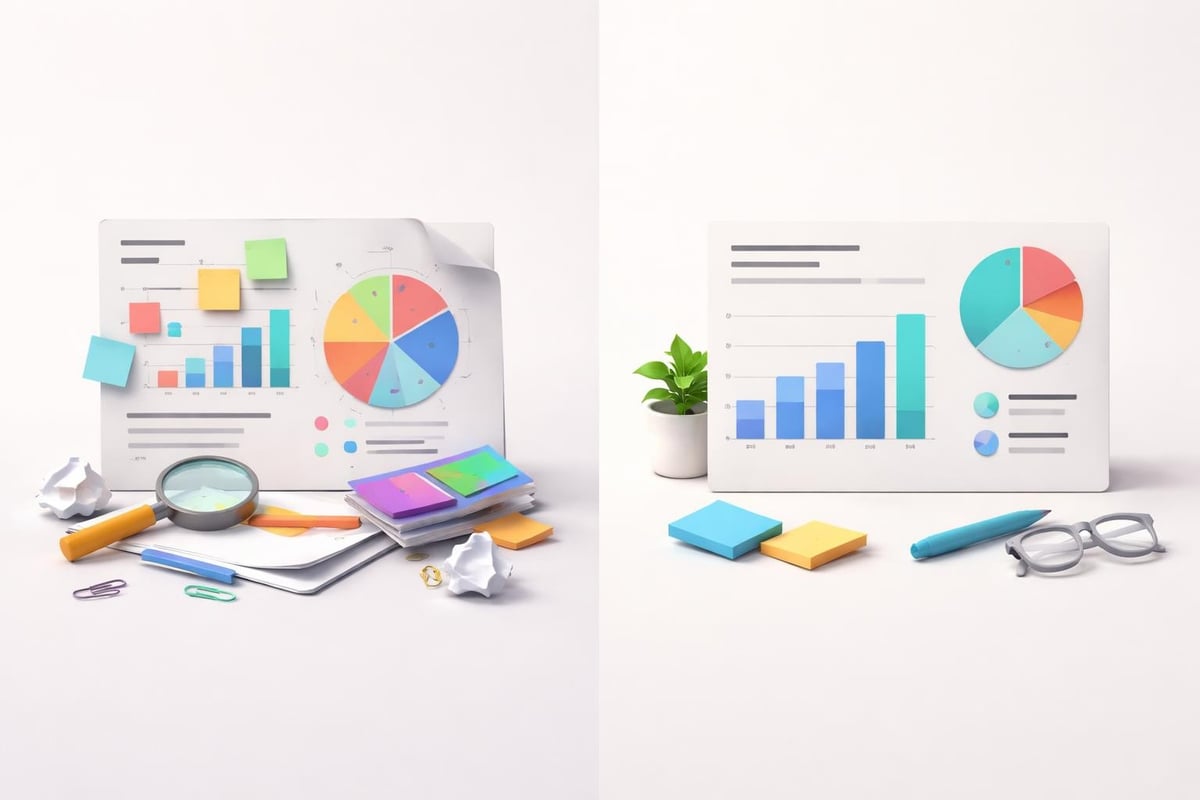
Before and after presentation transformation

The Business Value of Professional Presentation Design

Investing in powerpoint presentation designers delivers tangible returns across multiple business dimensions. Understanding this value proposition helps justify budget allocations and resource commitments.

Measurable Impact on Business Outcomes

Well-designed presentations directly influence critical business metrics. Research indicates that professionally designed pitch decks receive funding at rates 30% higher than poorly designed alternatives. Similarly, sales presentations with strong visual design convert prospects more effectively than text-heavy approaches.

Business benefits include:

  • Increased investor confidence through polished, professional materials
  • Higher conversion rates in sales presentations and proposals
  • Enhanced brand perception across all stakeholder interactions
  • Improved information retention leading to better decision-making
  • Time savings for executives who can focus on content rather than design

For technology and financial firms where presentation quality directly impacts fundraising, partnership development, and client acquisition, these improvements translate to substantial competitive advantages.

Time and Resource Efficiency

The hidden cost of DIY presentations often exceeds the investment in professional powerpoint presentation designers. Executives and technical experts spending hours struggling with design tools represent expensive misallocations of specialized talent.

Professional designers complete in hours what might take internal teams days or weeks. More importantly, they produce results that don't require endless revision cycles or apologetic explanations about visual quality. This efficiency becomes especially valuable during time-sensitive opportunities like funding rounds or competitive RFPs.

Selecting the Right Presentation Design Partner

Not all powerpoint presentation designers offer the same capabilities or fit for every organization. Choosing the right partner requires evaluating multiple factors beyond portfolio aesthetics.

Evaluation Criteria for Design Agencies

When assessing potential design partners, consider these critical dimensions:

  1. Industry experience: Familiarity with your sector's visual conventions and communication norms
  2. Portfolio quality: Demonstrated ability to handle projects of similar complexity and scale
  3. Process transparency: Clear workflows, timelines, and communication protocols
  4. Technical capabilities: Proficiency with required software and file formats
  5. Revision policies: Understanding of what's included in base pricing versus additional costs
  6. Testimonials and references: Verification of past client satisfaction and results

Agencies specializing in financial and technology presentations bring valuable context that generalist designers may lack. When reviewing presentation design portfolios, look for evidence of work with companies similar to yours facing comparable communication challenges.

Questions to Ask During Initial Consultations

Productive conversations with potential powerpoint presentation designers should clarify expectations and assess cultural fit. Important questions include:

Process and timeline questions:

  • What information do you need from us to begin work?
  • How many revision rounds are included in your standard process?
  • What happens if we need rush turnaround on updates?
  • How do you handle presentations requiring multiple internal approvals?

Creative approach questions:

  • How do you balance our input with your design expertise?
  • Can you show examples of how you've visualized data similar to ours?
  • What's your approach to maintaining brand consistency across multiple presentations?
  • How do you stay current with design trends and presentation best practices?

These discussions reveal whether designers understand your needs and can deliver within your constraints. The common mistakes highlighted by presentation experts often stem from misaligned expectations that careful vetting prevents.

Emerging Trends Shaping Presentation Design

The field of presentation design continues evolving as technology advances and audience expectations shift. Powerpoint presentation designers who stay ahead of these trends deliver more impactful work.

Interactive and Dynamic Presentations

Static slides increasingly give way to interactive elements that engage audiences more deeply. Modern PowerPoint includes capabilities for embedded videos, clickable navigation, and animated transitions that professional designers leverage strategically.

However, interactivity requires restraint. Excessive animation distracts rather than enhances, while overly complex navigation confuses presenters and audiences alike. Skilled powerpoint presentation designers know when interactivity adds value versus when simplicity serves better.

Data-Driven Storytelling

As organizations collect increasingly sophisticated data, presentations must evolve to communicate insights rather than just display numbers. This shift demands designers who understand both data science principles and narrative structure.

Effective data storytelling involves:

  • Contextualizing numbers within broader business narratives
  • Highlighting trends and patterns rather than raw figures
  • Using progressive disclosure to build understanding step-by-step
  • Combining quantitative data with qualitative examples and case studies
  • Designing for both presentation delivery and standalone reading

Financial services and technology companies particularly benefit from this approach, as their audiences demand both analytical rigor and strategic clarity.

Accessibility and Inclusive Design

Professional powerpoint presentation designers increasingly prioritize accessibility, ensuring presentations work for audiences with diverse needs. This includes proper color contrast for visibility, alt text for images, and logical reading order for screen readers.

Beyond regulatory compliance, accessible design simply reaches more people effectively. Color choices that work for colorblind viewers, font sizes readable from the back of conference rooms, and clear visual hierarchies benefit everyone in the audience.

Investment Considerations and Pricing Models

Understanding how powerpoint presentation designers structure their services helps organizations budget appropriately and select arrangements that fit their needs.

Common Pricing Structures

Presentation design services typically follow one of several pricing models:

Model Best For Typical Range
Per-slide pricing Single presentations, predictable scope $50-$200 per slide
Project-based Complete decks with defined deliverables $2,000-$15,000+
Hourly rates Ongoing support, unclear scope $75-$250 per hour
Retainer agreements Regular presentation needs $3,000-$10,000 monthly

Each model has advantages depending on your situation. Per-slide pricing offers predictability but may not account for slide complexity variations. Project-based pricing works well for defined scopes but requires clear upfront specifications. Organizations with regular presentation needs often find retainers most cost-effective.

When evaluating pricing for presentation services, consider the total value delivered rather than just the per-slide cost. A higher-priced designer who nails the concept in one revision cycle often proves more economical than cheaper alternatives requiring extensive back-and-forth.

Building Long-Term Design Partnerships

Organizations with frequent presentation needs benefit significantly from establishing ongoing relationships with powerpoint presentation designers. These partnerships enable designers to develop deep familiarity with your brand, industry context, and internal stakeholders.

Long-term collaborations deliver:

  • Faster turnaround times as designers understand your preferences and requirements
  • Consistent quality across all presentations and materials
  • Proactive improvements as designers identify opportunities to enhance your visual communications
  • Strategic consultation extending beyond individual projects to overall presentation strategy
  • Priority scheduling when urgent needs arise

Whether through formal retainer arrangements or preferred vendor relationships, these ongoing connections maximize the value powerpoint presentation designers provide while minimizing friction in the creative process.


Mastering presentation design requires specialized expertise that most organizations lack internally, making professional powerpoint presentation designers invaluable partners for businesses that depend on visual communication to drive results. By understanding what these professionals bring to the table and how to work with them effectively, financial and tech companies can transform their presentations from necessary evils into strategic advantages. If you're ready to elevate your presentation quality and make every slide count, Prznt Perfect specializes in creating visually stunning presentations that transform complex data into compelling narratives for financial and technology businesses.


News & Updates...

Discover how a PowerPoint presentation company transforms complex data into compelling narratives. Expert insights for financial and tech businesses.

Discover how a professional ppt design agency elevates your presentations. Expert insights on services, benefits, and choosing the right partner.