Designer PowerPoint Guide: Expert Tips for Stunning Slides 2026

Are you tired of presenting dull, forgettable slides that fail to make an impact? Imagine captivating any audience with visually stunning, persuasive presentations that set you apart in 2026.

This guide on designer powerpoint will show you how to transform your slides using expert-backed strategies and actionable design tips.

Discover the latest PowerPoint features, advanced design techniques, and best practices for data visualization. Learn professional workflow tips that streamline your process and boost your confidence.

Mastering these skills leads to greater audience engagement, sharper clarity, and enhanced professional credibility. Apply these insights to elevate your next presentation and leave a lasting impression.

PowerPoint Design Trends and Innovations for 2026

Staying ahead in presentation design means understanding how the landscape for designer powerpoint work is changing. As we move into 2026, both aesthetics and functionality are evolving, influenced by new technology and shifting audience expectations. Let’s explore the most important trends and innovations shaping the future of PowerPoint slides.

PowerPoint Design Trends and Innovations for 2026

The Evolution of PowerPoint Design

In recent years, designer powerpoint standards have moved far beyond static, text-heavy slides. Minimalism now dominates, with clean layouts and ample white space taking center stage. Bold typography is used to create hierarchy and draw attention to key points.

Storytelling has also become a cornerstone of effective presentations. Instead of listing facts, slides are designed to guide audiences through a compelling narrative. With remote and hybrid work now commonplace, there is increased demand for slides that are clear, visually engaging, and easy to follow on any device.

New Features in PowerPoint 2026

PowerPoint 2026 introduces powerful tools that elevate the designer powerpoint experience. AI-powered design suggestions, such as improved Designer and Design Ideas, help users create professional layouts instantly. These tools analyze content and recommend optimal arrangements, saving time and reducing design guesswork.

Cloud-based collaboration is now seamless. Multiple users can co-edit slides in real time, provide feedback, and manage version control efficiently. Enhanced support for multimedia allows for smooth integration of videos, audio, animations, and interactive elements, bringing presentations to life for diverse audiences.

Visual Trends Shaping Slide Design

Visual trends for designer powerpoint slides in 2026 are all about impact and clarity. Popular color palettes blend soft neutrals with vibrant gradients, creating depth and modernity. Custom illustrations, unique icons, and detailed 3D graphics are increasingly used to replace generic stock images.

Data-driven storytelling takes center stage, with infographics and charts tailored to highlight actionable insights. For an in-depth look at what’s shaping the field, explore these presentation design trends 2026, which showcase the latest in visual and layout innovation.

Accessibility and Inclusivity in Slide Design

Accessibility is now a non-negotiable part of designer powerpoint strategy. Modern best practices focus on color contrast, large and readable fonts, and layouts that adapt to various screen sizes. PowerPoint offers built-in tools to check for accessibility issues, making it easier to create slides that everyone can understand.

Designers are encouraged to add alt text to images, use high-contrast color schemes, and ensure keyboard navigation is possible. These steps help make presentations inclusive for all audiences, including those using assistive technology.

Examples and Data Points

More professionals are adopting AI-driven tools within designer powerpoint workflows. Uptake of features like PowerPoint Designer has grown sharply, with users reporting improved slide quality and faster turnaround times. Case studies show that presentations leveraging new features—such as interactive charts, live polls, and real-time collaboration—achieve higher audience engagement and better message retention.

Staying current with these innovations ensures your slides stand out and deliver maximum impact in any business or academic setting.

Foundations of Stunning Slide Design

A strong foundation is essential for any designer powerpoint project. The difference between forgettable slides and powerful, persuasive visuals often comes down to mastering the basics of layout, typography, color, imagery, branding, and attention to detail. In this section, we explore the core principles that set professional slides apart and set the stage for creativity and impact.

Foundations of Stunning Slide Design

Layout and Composition Principles

The backbone of any designer powerpoint is its layout. Well-structured slides use the rule of thirds, placing key elements along invisible lines to guide the viewer’s eye. Visual hierarchy ensures that titles, images, and data are organized by importance, making information easy to digest.

Effective layout also requires balancing white space with content. Too much clutter makes slides overwhelming, while too much empty space feels incomplete. Professional designers rely on grid systems and precise alignment to create polished, cohesive slides.

For an in-depth look at layout strategies, see these Best Practices for Slide Layout. Applying these principles empowers your designer powerpoint to look both engaging and professional.

Choosing the Right Typography

Typography sets the tone for your entire designer powerpoint. Choose fonts that are clean, modern, and easy to read. Pair a bold headline font with a simple body font for visual contrast and hierarchy.

Font size matters too. Use at least 24pt for body text in boardrooms, and even larger for webinars or conferences. Avoid decorative or script fonts, as they can hinder readability and distract from your message.

Consistency is key. Limit yourself to two font families throughout the designer powerpoint. Stick to bold and italic styles for emphasis, rather than changing fonts. This approach maintains a unified and credible appearance.

Color Theory and Application

Color can make or break a designer powerpoint. Start by selecting a harmonious color palette using PowerPoint’s integrated tools. Aim for three to five colors, including a primary, secondary, and accent for emphasis.

Leverage your brand’s colors to create recognition and consistency across all slides. Always check color contrast, especially between text and backgrounds, to ensure readability for everyone in your audience.

Contrast also draws attention to key points. Use a pop of color to highlight important data or calls to action, while keeping backgrounds neutral. This strategic use of color elevates the impact of your designer powerpoint.

Image and Icon Usage

Images and icons are powerful tools in a designer powerpoint. Source high-quality, royalty-free visuals to maintain a professional look. Avoid pixelated or stretched images, which can undermine your credibility.

Crop, resize, and mask images thoughtfully to fit your layout and reinforce your message. Icons can replace repetitive text, simplify complex ideas, and add visual interest without cluttering the slide.

Use a consistent icon style throughout your designer powerpoint. This creates visual harmony and helps the audience quickly interpret information. Remember, less is often more when it comes to imagery.

Consistency and Branding

Consistency builds trust in your designer powerpoint. Use PowerPoint’s Slide Master feature to set up uniform templates, ensuring every slide follows the same branding guidelines for colors, fonts, and logos.

A cohesive design strengthens your message and increases audience retention. Branded templates reinforce your identity, making your presentation memorable and professional.

Update all slides to reflect the latest branding elements before presenting. This attention to detail sets your designer powerpoint apart and signals credibility to your viewers.

Common Pitfalls to Avoid

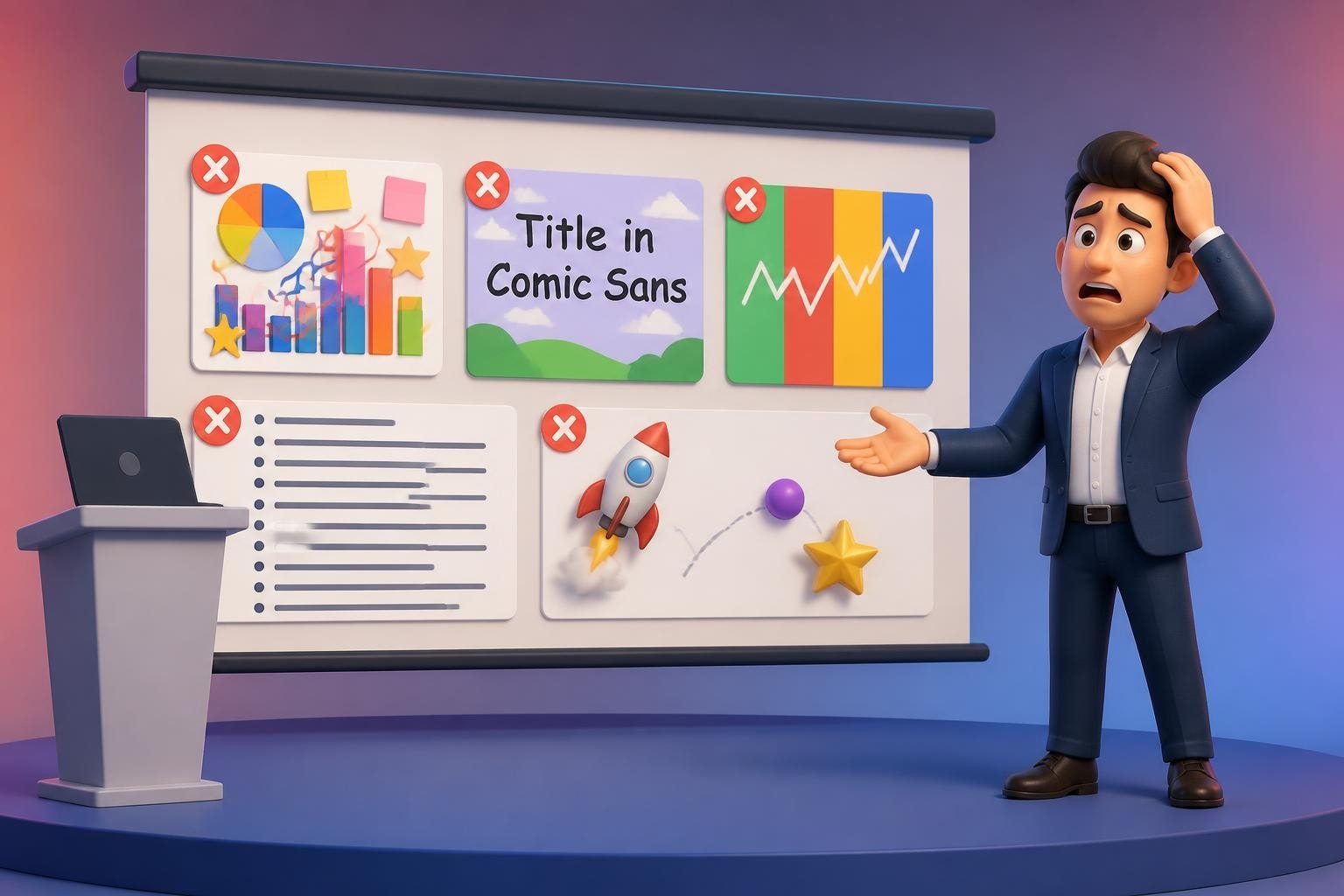
Even experienced users can fall into traps that weaken a designer powerpoint. Avoid overloading slides with text or visuals, as this overwhelms audiences and dilutes your message.

Inconsistent formatting, such as varying font sizes or mismatched colors, can distract and confuse. Relying solely on default templates may result in generic, uninspiring slides that blend in rather than stand out.

Proofread for errors and ensure transitions are smooth but subtle. By sidestepping these pitfalls, your designer powerpoint remains clear, cohesive, and compelling.

Step-by-Step Guide: Designing Expert-Level PowerPoint Slides

Creating a designer powerpoint presentation is a process that combines strategy, creativity, and technical skill. By following a proven workflow, you can transform your slides into a powerful communication tool that stands out in any setting.

Whether you are preparing for a high-stakes pitch, an academic defense, or a virtual conference, this guide breaks down each critical step for building a designer powerpoint that is both visually compelling and effective. Let’s explore how to elevate your next presentation from basic to brilliant.

Step-by-Step Guide: Designing Expert-Level PowerPoint Slides

Step 1: Planning Your Presentation Structure

Every designer powerpoint begins with a strong foundation: clear objectives and a logical narrative. Start by identifying your core message and the story you want your slides to tell.

Outline your main sections and map each slide to a specific audience need. Use sticky notes or a digital outline tool to arrange your flow, ensuring a logical progression. This approach keeps your designer powerpoint focused, engaging, and aligned with your goals.

  • Define your target audience and their expectations.
  • List key takeaways for each section.
  • Sequence slides to build a persuasive argument or story arc.

A well-planned structure is the backbone of a professional presentation.

Step 2: Setting Up Slide Masters and Templates

Consistency is a hallmark of a designer powerpoint. Slide Masters allow you to standardize layouts, fonts, and colors across your deck with minimal effort.

Within PowerPoint, access the Slide Master view to create or customize templates. Incorporate your brand’s color palette, logo, and preferred fonts. Save these as reusable templates to streamline future projects.

  • Apply uniform headers, footers, and background elements.
  • Use placeholder text and images for easy updates.
  • Lock key design elements to prevent accidental changes.

This step ensures your designer powerpoint maintains a polished and cohesive look from start to finish.

Step 3: Crafting Visually Engaging Slides

Visual impact is essential for any designer powerpoint. Start by applying AI-powered design ideas or Designer suggestions for inspiration. Select high-quality images and icons that reinforce your message.

Incorporate multimedia like videos, GIFs, or audio clips where appropriate. Use animations and transitions sparingly to highlight key points, not distract from them.

  • Limit each slide to one core idea.
  • Replace text blocks with visuals or infographics.
  • Maintain ample white space for clarity.

For more hands-on advice, explore these Simple PowerPoint Design Tips to refine your slide layouts and visual hierarchy.

Step 4: Visualizing Data Effectively

Data-heavy content can overwhelm audiences if not presented thoughtfully. In a designer powerpoint, choose chart types that best fit your data’s story—bar charts for comparisons, pie charts for proportions, line graphs for trends.

Simplify complex information using infographics or iconography. Emphasize key insights with color and concise labels. Before-and-after slide comparisons can illustrate how clear design improves data comprehension.

  • Use contrasting colors to highlight important data.
  • Avoid clutter by removing unnecessary gridlines or legends.
  • Annotate graphs to guide audience focus.

Effective data visualization turns numbers into actionable insights.

Step 5: Enhancing Accessibility and Interactivity

A designer powerpoint should be engaging and accessible to all. Add alt text to images and charts to support screen readers. Ensure sufficient color contrast and readable font sizes.

Design slides for keyboard navigation, and incorporate interactive elements like hyperlinks, buttons, or live polls. These features boost engagement, especially in remote or hybrid presentations.

  • Test color choices for visibility.
  • Use large, legible fonts.
  • Embed interactive content for dynamic experiences.

Prioritizing accessibility ensures your message reaches every audience member.

Step 6: Reviewing and Refining Slides

The final step in creating a designer powerpoint is a thorough review. Proofread every slide for errors, inconsistencies, and formatting issues.

Test your slides on various devices and screens to ensure visual integrity. Collect feedback from colleagues or a test audience, and incorporate their suggestions for improvement.

  • Use a checklist to verify design and content.
  • Preview your deck in Slide Show mode.
  • Make final adjustments for clarity and impact.

A meticulous review process separates amateur slides from a polished designer powerpoint.

Advanced PowerPoint Tools and Techniques

Unlocking the full potential of designer powerpoint begins with mastering the latest tools and techniques. As you elevate your slide design in 2026, these advanced features will transform how you craft compelling, interactive, and collaborative presentations.

Advanced PowerPoint Tools and Techniques

Leveraging PowerPoint Designer and Design Ideas

The designer powerpoint experience in 2026 is defined by AI-driven tools that accelerate creativity and polish. PowerPoint Designer and Design Ideas instantly recommend layouts, color schemes, and visual enhancements as you build slides.

To enable Designer, ensure you are connected to the internet and using a compatible file format. If the Design Ideas button is missing or grayed out, check for updates or review your privacy settings. Common troubleshooting steps include restarting PowerPoint or switching to a supported theme.

Issue Solution
Design Ideas button missing Update PowerPoint, sign in
Grayed-out suggestions Check internet connection
Limited design options Use supported layouts/themes

AI-powered design continues to evolve, with features that adapt to your content and brand. For deeper insights, explore AI in PowerPoint design, which highlights the future of intelligent slide creation. By integrating these tools, you ensure your designer powerpoint workflow stays ahead of the curve.

Custom Animations and Motion Paths

Animations in designer powerpoint presentations have moved far beyond simple fades. Custom animation sequences let you guide your audience’s attention, reinforce key messages, and add narrative flow.

Start by selecting objects and applying entrance, emphasis, or exit effects. Use motion paths to animate movement along a specific route. For clarity, limit the number of simultaneous animations and use the Animation Pane to control timing and order.

Best practices for designer powerpoint animations:

  • Use consistent timing (0.5–1 second per effect)
  • Avoid excessive movement to prevent distraction
  • Sequence animations to match your story flow

Thoughtful animation transforms static slides into dynamic storytelling tools, making your message more memorable.

Integrating External Content and Add-Ins

Modern designer powerpoint presentations benefit from seamless integration of external content. Embedding live data, dashboards, or web content keeps your slides up to date and interactive.

PowerPoint supports add-ins for creative visuals, such as advanced charting tools, icon libraries, and infographic generators. To embed a live dashboard, use the “Insert Object” or “Web Viewer” add-in, linking directly to external data sources.

Recommended add-ins for designer powerpoint:

  • LiveWeb for real-time web pages
  • Office Timeline for project visuals
  • Noun Project for icons and illustrations

Regularly updating add-ins ensures compatibility and security. These integrations help you present complex information with clarity and visual impact.

Collaboration and Cloud Integration

Collaboration is now central to designer powerpoint workflows. With real-time co-authoring, multiple team members can edit slides simultaneously, add comments, and track changes.

Version control features allow you to review previous edits, restore older slides, and manage feedback efficiently. To share your presentation securely, use PowerPoint’s cloud integration with OneDrive or SharePoint, setting permissions for viewers or editors.

Key collaboration tips for designer powerpoint:

  • Use comments for targeted feedback
  • Organize slides with section headers for clarity
  • Regularly save and sync files to avoid data loss

By embracing these advanced collaboration tools, your presentations remain polished, accurate, and ready for any audience.

Data Visualization and Storytelling in Presentations

Transforming raw data into a compelling story is a hallmark of effective designer powerpoint presentations. When you frame information within a narrative, you guide your audience to not just see numbers, but to understand their significance. By combining clear messaging with strategic visuals, designer powerpoint enables presenters to emphasize key insights and foster audience engagement.

Principles of Data-Driven Storytelling

Great data storytelling in designer powerpoint starts with a clear narrative framework. Begin by identifying your core message, then select only the most relevant data points to support it. Use headlines and slide titles that reflect the story arc, leading viewers through the information step by step.

Present data in context. For example, compare current results to past performance or industry benchmarks. This approach, when combined with designer powerpoint tools, helps audiences quickly grasp why the data matters and what actions to take next. Remember, every chart should answer a specific question, not just display figures.

Designing Compelling Charts and Infographics

A powerful designer powerpoint leverages visual hierarchy to ensure that charts and infographics communicate clearly. Choose chart types that match your story: line charts for trends, bar charts for comparisons, and pie charts for proportions. Simplify by removing unnecessary gridlines or labels, focusing attention on what matters most.

Enhance meaning with color and annotation. Use contrasting colors to highlight key data, and add callouts to explain spikes or anomalies. Designer powerpoint best practices suggest using icons or illustrations to reinforce concepts, making complex information more digestible for all viewers.

Avoiding Common Data Visualization Mistakes

Even the most advanced designer powerpoint can fall short if data visuals are confusing. Avoid overcrowding slides with too many data points or chart elements. Instead, prioritize clarity by limiting each slide to a single message.

Another frequent error is misrepresenting data through misleading axes or chart types. Always use a consistent scale and label every axis. Designer powerpoint experts recommend previewing slides for accuracy and simplicity. This extra step ensures your visuals support, rather than distract from, your core message.

Real-World Examples

Consider a scenario where a complex financial report is transformed using designer powerpoint techniques. The original slide, cluttered with dense tables, is redesigned to feature a streamlined bar chart and succinct bullet points. Audience understanding and engagement increase dramatically.

For more inspiration, check out Free Minimal PowerPoint Templates, which showcase current trends in clean, data-driven presentation layouts. Leveraging these resources can help you turn intricate information into actionable insights, ensuring your designer powerpoint stands out in any setting.

Expert Workflow Tips for Faster, Flawless Slide Creation

Mastering an efficient workflow is essential for anyone using designer powerpoint tools to craft impressive presentations. Whether you're working solo or collaborating with a team, optimizing your process can save hours and prevent costly mistakes. Explore these expert-approved strategies to streamline every phase of your slide design journey.

Time-Saving PowerPoint Shortcuts and Hacks

Speed is a hallmark of the designer powerpoint approach. Keyboard shortcuts can dramatically reduce repetitive actions and keep your creative flow uninterrupted.

  • Ctrl + D to duplicate objects instantly
  • Alt + Shift + Arrow Keys for precise alignment
  • Ctrl + Shift + C/V to copy/paste formatting
  • F5 to start slideshow from the beginning, Shift + F5 from current slide

Batch editing is another secret weapon. Select multiple objects with Ctrl + Click and apply changes simultaneously, from colors to animations. Use the Format Painter to replicate styles across slides. These small steps add up, helping you focus on design rather than busywork.

Streamlining Content Updates and Revisions

A professional designer powerpoint workflow relies on efficient content management. Use Slide Sorter view for rapid reordering and big-picture organization. The Outline View lets you edit text across your presentation, reducing the need to jump between slides.

Comments and version history are invaluable for team projects. Tag collaborators for targeted feedback and resolve issues in real time. When updating content, leverage the Replace Fonts and Find/Replace tools to maintain consistency without manual checks. These practices ensure your slides evolve smoothly, even on tight deadlines.

Best Practices for Consistent, Error-Free Presentations

Consistency is the backbone of every standout designer powerpoint presentation. Develop and follow a review checklist, covering:

  • Formatting alignment and spacing
  • Brand color and logo usage
  • Font sizes and styles
  • Animation and transition uniformity
  • Accessibility checks

Testing your slides in various settings uncovers potential issues before your audience does. For inclusive design, use features like the Accessibility Checker and add alt text to visuals. For a comprehensive approach, explore these PowerPoint accessibility best practices to ensure your content is effective for everyone.

Example: Workflow of a professional designer vs. a novice

Understanding the difference between a novice and a professional designer powerpoint workflow can be eye-opening. Here’s a quick comparison:

Step Novice Approach Designer PowerPoint Approach
Template Use Default, little customization Custom Slide Master, branded themes
Editing Manual, slide-by-slide Batch edits, use of shortcuts
Review Sporadic, visual only Structured checklist, accessibility
Collaboration Email back-and-forth Real-time comments, version control

By adopting expert habits, you can dramatically improve both speed and quality. The right workflow transforms designer powerpoint tasks from stressful to seamless.

We offer free 30-min consultation on the presentation design audit
and hiring the right visual 
comms professional, let’s talk!
Shedule a call
Shedule a call
"I understand" goes a step further into the cognitive dance of persuasion. It's where the audience begins to see the connections between the facts, to grasp the nuances of the problem and the elegance of the solution.
  • This is some text inside of a div block.
    lay out the facts clearly and compellingly. Use data to establish the ground reality, but remember that facts alone are like the individual strands of a tapestry—necessary but not complete.
    lay out the facts clearly and compellingly. Use data to establish the ground reality, but remember that facts alone are like the individual strands of a tapestry—necessary but not complete.
  • This is some text inside of a div block.
    lay out the facts clearly and compellingly. Use data to establish the ground reality, but remember that facts alone are like the individual strands of a tapestry—necessary but not complete.

We offer free 30-min consultation on the presentation design audit

and hiring the right visual 
comms professional, let’s talk!

Shedule a call

"I understand" goes a step further into the cognitive dance of persuasion. It's where the audience begins to see the connections between the facts, to grasp the nuances of the problem and the elegance of the solution.

  • - 1 -
    Consistency at Scale:

    Biotech Market Trends 2024: Tailoring Your Pitch Deck to Current Industry Dynamics.

  • - 2 -
    Efficiency and Speed:

    The traditional process of manually updating presentations is not only slow but also prone to bottlenecks, especially when dealing with large volumes of slides. Automation dramatically accelerates this process, enabling designers to apply changes across hundreds of slides in the time it would take to manually update a single one. This efficiency is a game-changer for agencies working under tight deadlines or managing multiple projects simultaneously.

  • - 3 -
    Enhanced Creativity:

    With the burden of manual updates lifted, designers can allocate more time and energy to the creative aspects of presentation design. This freedom allows for deeper exploration of innovative design concepts, experimentation with new visual storytelling techniques, and the development of more engaging and interactive presentations. Automation doesn't stifle creativity; it amplifies it, enabling designers to push the boundaries of what's possible in corporate presentation design.

  • - 4 -
    Error Reduction:

    Manual updates are inherently prone to inconsistencies and mistakes, from misaligned logos to incorrect font sizes. These errors can detract from the professionalism of a presentation and, by extension, the corporate image. Automation minimizes these risks by ensuring that updates are applied uniformly and accurately across all slides, enhancing the overall quality and integrity of the presentation.

  • - 5 -
    Cost-Effectiveness:

    The time savings afforded by automation directly translate to cost savings for both the design agency and its clients. By reducing the hours spent on manual updates, agencies can optimize their workflows and resources, allowing them to take on more projects without compromising on quality. This efficiency can also make high-quality presentation design services more affordable and accessible to a broader range of businesses.

Designer PowerPoint Guide: Expert Tips for Stunning Slides 2026

Transform your presentations with our designer PowerPoint guide Expert tips cover 2026 trends, AI tools, and pro workflows for stunning, impactful slides

Are you tired of presenting dull, forgettable slides that fail to make an impact? Imagine captivating any audience with visually stunning, persuasive presentations that set you apart in 2026.

This guide on designer powerpoint will show you how to transform your slides using expert-backed strategies and actionable design tips.

Discover the latest PowerPoint features, advanced design techniques, and best practices for data visualization. Learn professional workflow tips that streamline your process and boost your confidence.

Mastering these skills leads to greater audience engagement, sharper clarity, and enhanced professional credibility. Apply these insights to elevate your next presentation and leave a lasting impression.

PowerPoint Design Trends and Innovations for 2026

Staying ahead in presentation design means understanding how the landscape for designer powerpoint work is changing. As we move into 2026, both aesthetics and functionality are evolving, influenced by new technology and shifting audience expectations. Let’s explore the most important trends and innovations shaping the future of PowerPoint slides.

PowerPoint Design Trends and Innovations for 2026

The Evolution of PowerPoint Design

In recent years, designer powerpoint standards have moved far beyond static, text-heavy slides. Minimalism now dominates, with clean layouts and ample white space taking center stage. Bold typography is used to create hierarchy and draw attention to key points.

Storytelling has also become a cornerstone of effective presentations. Instead of listing facts, slides are designed to guide audiences through a compelling narrative. With remote and hybrid work now commonplace, there is increased demand for slides that are clear, visually engaging, and easy to follow on any device.

New Features in PowerPoint 2026

PowerPoint 2026 introduces powerful tools that elevate the designer powerpoint experience. AI-powered design suggestions, such as improved Designer and Design Ideas, help users create professional layouts instantly. These tools analyze content and recommend optimal arrangements, saving time and reducing design guesswork.

Cloud-based collaboration is now seamless. Multiple users can co-edit slides in real time, provide feedback, and manage version control efficiently. Enhanced support for multimedia allows for smooth integration of videos, audio, animations, and interactive elements, bringing presentations to life for diverse audiences.

Visual Trends Shaping Slide Design

Visual trends for designer powerpoint slides in 2026 are all about impact and clarity. Popular color palettes blend soft neutrals with vibrant gradients, creating depth and modernity. Custom illustrations, unique icons, and detailed 3D graphics are increasingly used to replace generic stock images.

Data-driven storytelling takes center stage, with infographics and charts tailored to highlight actionable insights. For an in-depth look at what’s shaping the field, explore these presentation design trends 2026, which showcase the latest in visual and layout innovation.

Accessibility and Inclusivity in Slide Design

Accessibility is now a non-negotiable part of designer powerpoint strategy. Modern best practices focus on color contrast, large and readable fonts, and layouts that adapt to various screen sizes. PowerPoint offers built-in tools to check for accessibility issues, making it easier to create slides that everyone can understand.

Designers are encouraged to add alt text to images, use high-contrast color schemes, and ensure keyboard navigation is possible. These steps help make presentations inclusive for all audiences, including those using assistive technology.

Examples and Data Points

More professionals are adopting AI-driven tools within designer powerpoint workflows. Uptake of features like PowerPoint Designer has grown sharply, with users reporting improved slide quality and faster turnaround times. Case studies show that presentations leveraging new features—such as interactive charts, live polls, and real-time collaboration—achieve higher audience engagement and better message retention.

Staying current with these innovations ensures your slides stand out and deliver maximum impact in any business or academic setting.

Foundations of Stunning Slide Design

A strong foundation is essential for any designer powerpoint project. The difference between forgettable slides and powerful, persuasive visuals often comes down to mastering the basics of layout, typography, color, imagery, branding, and attention to detail. In this section, we explore the core principles that set professional slides apart and set the stage for creativity and impact.

Foundations of Stunning Slide Design

Layout and Composition Principles

The backbone of any designer powerpoint is its layout. Well-structured slides use the rule of thirds, placing key elements along invisible lines to guide the viewer’s eye. Visual hierarchy ensures that titles, images, and data are organized by importance, making information easy to digest.

Effective layout also requires balancing white space with content. Too much clutter makes slides overwhelming, while too much empty space feels incomplete. Professional designers rely on grid systems and precise alignment to create polished, cohesive slides.

For an in-depth look at layout strategies, see these Best Practices for Slide Layout. Applying these principles empowers your designer powerpoint to look both engaging and professional.

Choosing the Right Typography

Typography sets the tone for your entire designer powerpoint. Choose fonts that are clean, modern, and easy to read. Pair a bold headline font with a simple body font for visual contrast and hierarchy.

Font size matters too. Use at least 24pt for body text in boardrooms, and even larger for webinars or conferences. Avoid decorative or script fonts, as they can hinder readability and distract from your message.

Consistency is key. Limit yourself to two font families throughout the designer powerpoint. Stick to bold and italic styles for emphasis, rather than changing fonts. This approach maintains a unified and credible appearance.

Color Theory and Application

Color can make or break a designer powerpoint. Start by selecting a harmonious color palette using PowerPoint’s integrated tools. Aim for three to five colors, including a primary, secondary, and accent for emphasis.

Leverage your brand’s colors to create recognition and consistency across all slides. Always check color contrast, especially between text and backgrounds, to ensure readability for everyone in your audience.

Contrast also draws attention to key points. Use a pop of color to highlight important data or calls to action, while keeping backgrounds neutral. This strategic use of color elevates the impact of your designer powerpoint.

Image and Icon Usage

Images and icons are powerful tools in a designer powerpoint. Source high-quality, royalty-free visuals to maintain a professional look. Avoid pixelated or stretched images, which can undermine your credibility.

Crop, resize, and mask images thoughtfully to fit your layout and reinforce your message. Icons can replace repetitive text, simplify complex ideas, and add visual interest without cluttering the slide.

Use a consistent icon style throughout your designer powerpoint. This creates visual harmony and helps the audience quickly interpret information. Remember, less is often more when it comes to imagery.

Consistency and Branding

Consistency builds trust in your designer powerpoint. Use PowerPoint’s Slide Master feature to set up uniform templates, ensuring every slide follows the same branding guidelines for colors, fonts, and logos.

A cohesive design strengthens your message and increases audience retention. Branded templates reinforce your identity, making your presentation memorable and professional.

Update all slides to reflect the latest branding elements before presenting. This attention to detail sets your designer powerpoint apart and signals credibility to your viewers.

Common Pitfalls to Avoid

Even experienced users can fall into traps that weaken a designer powerpoint. Avoid overloading slides with text or visuals, as this overwhelms audiences and dilutes your message.

Inconsistent formatting, such as varying font sizes or mismatched colors, can distract and confuse. Relying solely on default templates may result in generic, uninspiring slides that blend in rather than stand out.

Proofread for errors and ensure transitions are smooth but subtle. By sidestepping these pitfalls, your designer powerpoint remains clear, cohesive, and compelling.

Step-by-Step Guide: Designing Expert-Level PowerPoint Slides

Creating a designer powerpoint presentation is a process that combines strategy, creativity, and technical skill. By following a proven workflow, you can transform your slides into a powerful communication tool that stands out in any setting.

Whether you are preparing for a high-stakes pitch, an academic defense, or a virtual conference, this guide breaks down each critical step for building a designer powerpoint that is both visually compelling and effective. Let’s explore how to elevate your next presentation from basic to brilliant.

Step-by-Step Guide: Designing Expert-Level PowerPoint Slides

Step 1: Planning Your Presentation Structure

Every designer powerpoint begins with a strong foundation: clear objectives and a logical narrative. Start by identifying your core message and the story you want your slides to tell.

Outline your main sections and map each slide to a specific audience need. Use sticky notes or a digital outline tool to arrange your flow, ensuring a logical progression. This approach keeps your designer powerpoint focused, engaging, and aligned with your goals.

  • Define your target audience and their expectations.
  • List key takeaways for each section.
  • Sequence slides to build a persuasive argument or story arc.

A well-planned structure is the backbone of a professional presentation.

Step 2: Setting Up Slide Masters and Templates

Consistency is a hallmark of a designer powerpoint. Slide Masters allow you to standardize layouts, fonts, and colors across your deck with minimal effort.

Within PowerPoint, access the Slide Master view to create or customize templates. Incorporate your brand’s color palette, logo, and preferred fonts. Save these as reusable templates to streamline future projects.

  • Apply uniform headers, footers, and background elements.
  • Use placeholder text and images for easy updates.
  • Lock key design elements to prevent accidental changes.

This step ensures your designer powerpoint maintains a polished and cohesive look from start to finish.

Step 3: Crafting Visually Engaging Slides

Visual impact is essential for any designer powerpoint. Start by applying AI-powered design ideas or Designer suggestions for inspiration. Select high-quality images and icons that reinforce your message.

Incorporate multimedia like videos, GIFs, or audio clips where appropriate. Use animations and transitions sparingly to highlight key points, not distract from them.

  • Limit each slide to one core idea.
  • Replace text blocks with visuals or infographics.
  • Maintain ample white space for clarity.

For more hands-on advice, explore these Simple PowerPoint Design Tips to refine your slide layouts and visual hierarchy.

Step 4: Visualizing Data Effectively

Data-heavy content can overwhelm audiences if not presented thoughtfully. In a designer powerpoint, choose chart types that best fit your data’s story—bar charts for comparisons, pie charts for proportions, line graphs for trends.

Simplify complex information using infographics or iconography. Emphasize key insights with color and concise labels. Before-and-after slide comparisons can illustrate how clear design improves data comprehension.

  • Use contrasting colors to highlight important data.
  • Avoid clutter by removing unnecessary gridlines or legends.
  • Annotate graphs to guide audience focus.

Effective data visualization turns numbers into actionable insights.

Step 5: Enhancing Accessibility and Interactivity

A designer powerpoint should be engaging and accessible to all. Add alt text to images and charts to support screen readers. Ensure sufficient color contrast and readable font sizes.

Design slides for keyboard navigation, and incorporate interactive elements like hyperlinks, buttons, or live polls. These features boost engagement, especially in remote or hybrid presentations.

  • Test color choices for visibility.
  • Use large, legible fonts.
  • Embed interactive content for dynamic experiences.

Prioritizing accessibility ensures your message reaches every audience member.

Step 6: Reviewing and Refining Slides

The final step in creating a designer powerpoint is a thorough review. Proofread every slide for errors, inconsistencies, and formatting issues.

Test your slides on various devices and screens to ensure visual integrity. Collect feedback from colleagues or a test audience, and incorporate their suggestions for improvement.

  • Use a checklist to verify design and content.
  • Preview your deck in Slide Show mode.
  • Make final adjustments for clarity and impact.

A meticulous review process separates amateur slides from a polished designer powerpoint.

Advanced PowerPoint Tools and Techniques

Unlocking the full potential of designer powerpoint begins with mastering the latest tools and techniques. As you elevate your slide design in 2026, these advanced features will transform how you craft compelling, interactive, and collaborative presentations.

Advanced PowerPoint Tools and Techniques

Leveraging PowerPoint Designer and Design Ideas

The designer powerpoint experience in 2026 is defined by AI-driven tools that accelerate creativity and polish. PowerPoint Designer and Design Ideas instantly recommend layouts, color schemes, and visual enhancements as you build slides.

To enable Designer, ensure you are connected to the internet and using a compatible file format. If the Design Ideas button is missing or grayed out, check for updates or review your privacy settings. Common troubleshooting steps include restarting PowerPoint or switching to a supported theme.

Issue Solution
Design Ideas button missing Update PowerPoint, sign in
Grayed-out suggestions Check internet connection
Limited design options Use supported layouts/themes

AI-powered design continues to evolve, with features that adapt to your content and brand. For deeper insights, explore AI in PowerPoint design, which highlights the future of intelligent slide creation. By integrating these tools, you ensure your designer powerpoint workflow stays ahead of the curve.

Custom Animations and Motion Paths

Animations in designer powerpoint presentations have moved far beyond simple fades. Custom animation sequences let you guide your audience’s attention, reinforce key messages, and add narrative flow.

Start by selecting objects and applying entrance, emphasis, or exit effects. Use motion paths to animate movement along a specific route. For clarity, limit the number of simultaneous animations and use the Animation Pane to control timing and order.

Best practices for designer powerpoint animations:

  • Use consistent timing (0.5–1 second per effect)
  • Avoid excessive movement to prevent distraction
  • Sequence animations to match your story flow

Thoughtful animation transforms static slides into dynamic storytelling tools, making your message more memorable.

Integrating External Content and Add-Ins

Modern designer powerpoint presentations benefit from seamless integration of external content. Embedding live data, dashboards, or web content keeps your slides up to date and interactive.

PowerPoint supports add-ins for creative visuals, such as advanced charting tools, icon libraries, and infographic generators. To embed a live dashboard, use the “Insert Object” or “Web Viewer” add-in, linking directly to external data sources.

Recommended add-ins for designer powerpoint:

  • LiveWeb for real-time web pages
  • Office Timeline for project visuals
  • Noun Project for icons and illustrations

Regularly updating add-ins ensures compatibility and security. These integrations help you present complex information with clarity and visual impact.

Collaboration and Cloud Integration

Collaboration is now central to designer powerpoint workflows. With real-time co-authoring, multiple team members can edit slides simultaneously, add comments, and track changes.

Version control features allow you to review previous edits, restore older slides, and manage feedback efficiently. To share your presentation securely, use PowerPoint’s cloud integration with OneDrive or SharePoint, setting permissions for viewers or editors.

Key collaboration tips for designer powerpoint:

  • Use comments for targeted feedback
  • Organize slides with section headers for clarity
  • Regularly save and sync files to avoid data loss

By embracing these advanced collaboration tools, your presentations remain polished, accurate, and ready for any audience.

Data Visualization and Storytelling in Presentations

Transforming raw data into a compelling story is a hallmark of effective designer powerpoint presentations. When you frame information within a narrative, you guide your audience to not just see numbers, but to understand their significance. By combining clear messaging with strategic visuals, designer powerpoint enables presenters to emphasize key insights and foster audience engagement.

Principles of Data-Driven Storytelling

Great data storytelling in designer powerpoint starts with a clear narrative framework. Begin by identifying your core message, then select only the most relevant data points to support it. Use headlines and slide titles that reflect the story arc, leading viewers through the information step by step.

Present data in context. For example, compare current results to past performance or industry benchmarks. This approach, when combined with designer powerpoint tools, helps audiences quickly grasp why the data matters and what actions to take next. Remember, every chart should answer a specific question, not just display figures.

Designing Compelling Charts and Infographics

A powerful designer powerpoint leverages visual hierarchy to ensure that charts and infographics communicate clearly. Choose chart types that match your story: line charts for trends, bar charts for comparisons, and pie charts for proportions. Simplify by removing unnecessary gridlines or labels, focusing attention on what matters most.

Enhance meaning with color and annotation. Use contrasting colors to highlight key data, and add callouts to explain spikes or anomalies. Designer powerpoint best practices suggest using icons or illustrations to reinforce concepts, making complex information more digestible for all viewers.

Avoiding Common Data Visualization Mistakes

Even the most advanced designer powerpoint can fall short if data visuals are confusing. Avoid overcrowding slides with too many data points or chart elements. Instead, prioritize clarity by limiting each slide to a single message.

Another frequent error is misrepresenting data through misleading axes or chart types. Always use a consistent scale and label every axis. Designer powerpoint experts recommend previewing slides for accuracy and simplicity. This extra step ensures your visuals support, rather than distract from, your core message.

Real-World Examples

Consider a scenario where a complex financial report is transformed using designer powerpoint techniques. The original slide, cluttered with dense tables, is redesigned to feature a streamlined bar chart and succinct bullet points. Audience understanding and engagement increase dramatically.

For more inspiration, check out Free Minimal PowerPoint Templates, which showcase current trends in clean, data-driven presentation layouts. Leveraging these resources can help you turn intricate information into actionable insights, ensuring your designer powerpoint stands out in any setting.

Expert Workflow Tips for Faster, Flawless Slide Creation

Mastering an efficient workflow is essential for anyone using designer powerpoint tools to craft impressive presentations. Whether you're working solo or collaborating with a team, optimizing your process can save hours and prevent costly mistakes. Explore these expert-approved strategies to streamline every phase of your slide design journey.

Time-Saving PowerPoint Shortcuts and Hacks

Speed is a hallmark of the designer powerpoint approach. Keyboard shortcuts can dramatically reduce repetitive actions and keep your creative flow uninterrupted.

  • Ctrl + D to duplicate objects instantly
  • Alt + Shift + Arrow Keys for precise alignment
  • Ctrl + Shift + C/V to copy/paste formatting
  • F5 to start slideshow from the beginning, Shift + F5 from current slide

Batch editing is another secret weapon. Select multiple objects with Ctrl + Click and apply changes simultaneously, from colors to animations. Use the Format Painter to replicate styles across slides. These small steps add up, helping you focus on design rather than busywork.

Streamlining Content Updates and Revisions

A professional designer powerpoint workflow relies on efficient content management. Use Slide Sorter view for rapid reordering and big-picture organization. The Outline View lets you edit text across your presentation, reducing the need to jump between slides.

Comments and version history are invaluable for team projects. Tag collaborators for targeted feedback and resolve issues in real time. When updating content, leverage the Replace Fonts and Find/Replace tools to maintain consistency without manual checks. These practices ensure your slides evolve smoothly, even on tight deadlines.

Best Practices for Consistent, Error-Free Presentations

Consistency is the backbone of every standout designer powerpoint presentation. Develop and follow a review checklist, covering:

  • Formatting alignment and spacing
  • Brand color and logo usage
  • Font sizes and styles
  • Animation and transition uniformity
  • Accessibility checks

Testing your slides in various settings uncovers potential issues before your audience does. For inclusive design, use features like the Accessibility Checker and add alt text to visuals. For a comprehensive approach, explore these PowerPoint accessibility best practices to ensure your content is effective for everyone.

Example: Workflow of a professional designer vs. a novice

Understanding the difference between a novice and a professional designer powerpoint workflow can be eye-opening. Here’s a quick comparison:

Step Novice Approach Designer PowerPoint Approach
Template Use Default, little customization Custom Slide Master, branded themes
Editing Manual, slide-by-slide Batch edits, use of shortcuts
Review Sporadic, visual only Structured checklist, accessibility
Collaboration Email back-and-forth Real-time comments, version control

By adopting expert habits, you can dramatically improve both speed and quality. The right workflow transforms designer powerpoint tasks from stressful to seamless.

News & Updates...

Master Figma Slides with our 2026 guide. Explore advanced workflows, AI features, and collaboration tips to create standout presentations that drive results.

Master power point design with expert tips on visual storytelling, data visualization, and slide structure for impactful presentations that engage and persuade every audience.