Branding Strategy Presentation Guide: Elevate Your Brand 2026

In today’s fast-paced marketplace, brands either capture attention or quickly fade into obscurity. The difference often comes down to the strength of their branding strategy presentation. When executed well, it can transform branding failures into lasting success stories.

This guide will empower you to craft and deliver a branding strategy presentation that elevates your brand and accelerates business growth. You will gain insights into the foundations of branding strategy, learn a step-by-step approach to creating compelling presentations, and discover the key elements that drive impact.

We will also explore visual storytelling and provide expert tips to ensure your branding strategy presentation stands out in 2026’s competitive landscape. Let’s unlock the strategies that turn vision into results.

Understanding Branding Strategy in 2026

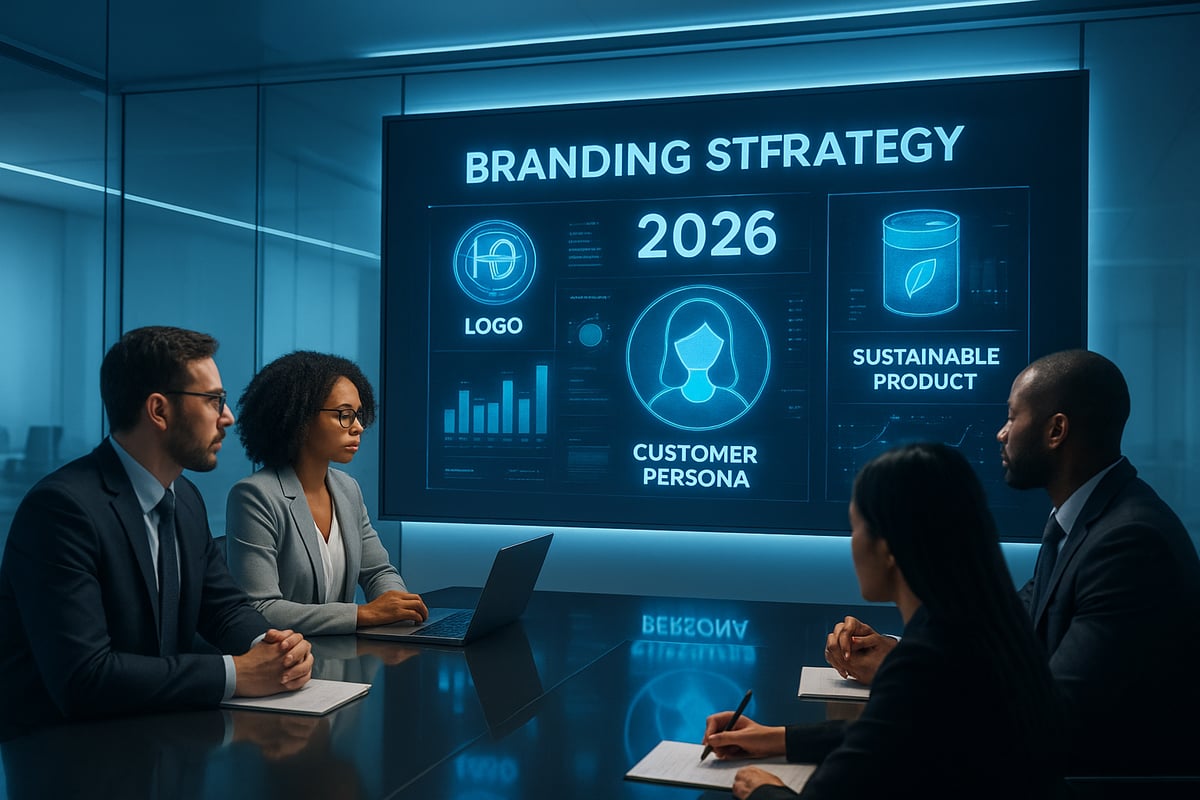
Branding strategy has transformed dramatically in recent years. It is no longer just about a memorable logo or catchy slogan. Today, a successful branding strategy presentation must address the entire brand experience, from digital presence to emotional resonance with customers.

Understanding Branding Strategy in 2026

The Evolution of Branding Strategy

Historically, branding centered on visual identity—logos, colors, and typefaces. Over time, the focus shifted to crafting holistic experiences that connect emotionally with audiences. In 2026, a branding strategy presentation must demonstrate how every touchpoint, from social media to customer service, reflects the brand's core values.

This evolution is also shaped by technology. Brands now use AI, data analytics, and immersive digital platforms to personalize experiences at scale. Presentations that showcase this journey—from traditional branding to digitally-enabled, value-driven experiences—stand out.

Key Trends Shaping 2026 Branding

To create a future-ready branding strategy presentation, it is vital to understand emerging trends:

  • Hyper-personalization: Brands tailor content, offers, and messaging to individual preferences using AI and data.
  • Sustainability and purpose-driven branding: Companies emphasize ethical sourcing, environmental responsibility, and social impact.
  • Digital-first experiences: Virtual events, augmented reality, and interactive digital content shape modern brand engagement.
  • Community building: Brands foster loyal communities through shared values and interests.

According to the Edelman Trust Barometer 2023, 89% of consumers remain loyal to brands that share their values. This statistic highlights the importance of aligning your branding strategy presentation with what matters most to your audience.

For a deeper dive into upcoming trends like hyper-personalization and purpose-driven branding, explore the Top 11 Trends in Branding for 2026.

Branding’s Role in Business Growth and Loyalty

A compelling branding strategy presentation is a catalyst for growth. When a brand aligns its strategy with organizational vision and market trends, it drives differentiation and customer loyalty.

Consider this real-world example:

Case Study: Tech Startup Rebrand Outcome
Repositioned for Gen Z values 30% revenue growth
Shifted messaging to sustainability Increased social shares
Enhanced digital brand experience Higher engagement rates

By understanding the target audience and evolving market expectations, this startup leveraged its branding strategy presentation to secure internal buy-in and attract new customers.

Aligning Strategy With Vision and Market Trends

A branding strategy presentation should clearly link the brand’s purpose, mission, and values with external trends. This alignment ensures the strategy resonates both inside and outside the organization.

Engage stakeholders by showing how your branding approach addresses current challenges and seizes new opportunities. Use up-to-date data, market research, and competitive analysis to support your recommendations.

Common Mistakes and How to Avoid Them

Many branding strategy presentations fall short due to:

  • Overloading with jargon and buzzwords
  • Lack of clear, actionable objectives
  • Failing to connect strategy with measurable outcomes
  • Ignoring visual consistency and storytelling

To avoid these pitfalls, focus on clarity, relevance, and visual appeal. Structure your content logically, and tailor your messaging to your audience’s needs.

The Value of a Well-Crafted Presentation

A strong branding strategy presentation is more than a report—it is a persuasive tool for internal alignment and external influence. It builds trust, inspires action, and sets the stage for long-term business growth.

By embracing new trends, aligning with organizational vision, and communicating with clarity, you position your brand for success in 2026’s competitive landscape.

Step-by-Step: Crafting a Winning Branding Strategy Presentation

Creating a standout branding strategy presentation requires a systematic approach and a clear understanding of your objectives. By breaking down the process into actionable steps, you can ensure your message resonates and drives results. Let’s explore a proven, step-by-step method to help you deliver a presentation that elevates your brand and achieves buy-in from any audience.

Step-by-Step: Crafting a Winning Branding Strategy Presentation

Step 1: Define Clear Objectives and Audience

Start your branding strategy presentation by clarifying your primary goals. Are you seeking internal alignment, investor buy-in, or client acquisition? Pinpointing your objective allows you to craft a focused message that drives action.

Next, analyze your audience. What are their roles, pain points, and expectations? Tailor your content to address their specific needs. For instance, a C-suite audience may prioritize high-level business impact, while marketing teams look for tactical details.

Adjust your messaging style accordingly. Use concise executive summaries for decision-makers and deeper insights for specialists. This audience-first approach ensures your branding strategy presentation is relevant and compelling.

Step 2: Structure Your Presentation for Impact

A well-structured branding strategy presentation captures attention and maintains engagement. Choose a proven framework, such as the problem-solution model, storytelling arc, or modular approach. These structures provide clarity and help your audience follow your narrative.

Begin with a brief introduction, set the stage with the challenge, present your solution, outline implementation steps, and share projected or proven results. Include an agenda slide at the start to orient your audience and use clear transition cues between sections.

Data shows that presentations with a clear structure retain 40% more audience attention. Logical flow not only supports comprehension but also builds trust in your branding strategy presentation, ensuring your message is understood and remembered.

Step 3: Develop Compelling Content

The heart of your branding strategy presentation lies in its content. Clearly articulate your brand’s vision, mission, values, and positioning. Establish messaging pillars that support your core narrative.

Incorporate market research, competitor analysis, and customer insights to ground your recommendations in data. Use real-world examples and case studies to build credibility. For inspiration, explore Branding work portfolio examples, which showcase successful branding presentations across industries.

Balance data with storytelling. Weave in anecdotes and testimonials that illustrate your brand’s impact. This blend of evidence and narrative keeps your branding strategy presentation engaging and persuasive.

Step 4: Design Visually Engaging Slides

Visual design plays a critical role in how your branding strategy presentation is perceived. Maintain consistent branding elements, including color palettes, logos, and typography, to reinforce your identity.

Leverage high-quality visuals, infographics, and iconography to simplify complex information. Transform data into easy-to-understand graphics for maximum impact. Consider accessibility by using readable fonts and sufficient contrast for all audiences.

A visually coherent branding strategy presentation increases both engagement and recall. Consistency in design ensures your message is not only seen but remembered, strengthening your brand’s presence.

Step 5: Rehearse and Refine Your Delivery

Practice is essential for delivering a confident and effective branding strategy presentation. Record yourself to identify improvement areas and gather feedback from peers. Iterative rehearsal sharpens your message and boosts your delivery skills.

Prepare for Q&A sessions by anticipating possible objections and practicing concise, knowledgeable responses. Manage your pacing to keep the audience engaged from start to finish.

Consider how major brands rehearse presentations before high-stakes meetings. For example, a Fortune 500 company improved investor confidence by refining its branding strategy presentation through multiple feedback loops and dry runs.

Step 6: Integrate Feedback and Iterate

After your branding strategy presentation, collect feedback from stakeholders and test audiences. Use analytics tools to assess engagement and identify sections that resonated—or fell flat.

Adapt your presentation for different formats, such as live, virtual, or asynchronous delivery. Continuous improvement is vital; update your slides and messaging as your brand evolves and new data emerges.

Regular iteration ensures your branding strategy presentation remains fresh, relevant, and impactful. By embracing feedback, you position your brand for sustained growth in any competitive landscape.

Essential Elements of a High-Impact Branding Strategy Presentation

A high-impact branding strategy presentation is more than a collection of attractive slides. It is a strategic tool that communicates your brand’s core identity, competitive edge, and future vision to both internal and external stakeholders.

To create a truly effective branding strategy presentation, focus on several foundational elements that together deliver clarity, credibility, and influence.

Essential Elements of a High-Impact Branding Strategy Presentation

Articulate Brand Purpose, Vision, and Mission

Begin your branding strategy presentation by defining your brand’s purpose, vision, and mission. These statements set the direction for all branding activities and inspire both your team and your audience.

  • Purpose: Why does your brand exist?
  • Vision: Where do you see your brand in the future?
  • Mission: How will you achieve your vision?

Clear articulation of these elements grounds the rest of your branding strategy presentation and ensures alignment across your organization.

Showcase Differentiation and Competitive Analysis

Next, highlight what sets your brand apart. Your unique value proposition and a thorough competitive landscape analysis are critical for demonstrating why your brand matters in the market.

  • Analyze competitors’ strengths and weaknesses.
  • Identify market gaps your brand can fill.
  • Present data and insights that support your positioning.

A well-supported branding strategy presentation helps stakeholders understand both the opportunity and your plan to capture it.

Define Brand Personality and Tone of Voice

Consistency in how your brand communicates is essential. Define your brand’s personality and tone of voice, and explain how these characteristics will be reflected across all touchpoints.

  • Is your brand bold, friendly, or innovative?
  • What language style will you use in marketing, sales, and support?
  • How will your tone build trust and foster loyalty?

By embedding these details into your branding strategy presentation, you ensure everyone represents the brand authentically.

Build a Cohesive Visual Identity

A strong visual identity makes your brand instantly recognizable. Use your branding strategy presentation to outline the visual elements that represent your brand’s ethos.

  • Logos, color palettes, and imagery that reflect your values.
  • Typography and design elements for consistency.
  • Guidelines for using visuals across platforms.

For a deeper dive into maintaining visual and messaging consistency, see this article on Consistency in presentation design.

Visual Element Role in Branding Strategy Presentation
Logo Establishes recognition and trust
Color Palette Evokes emotion and brand association
Typography Communicates personality and professionalism
Imagery Reinforces brand story and values

Establish Messaging Pillars for Target Segments

Craft messaging pillars that communicate your brand’s value to different audience segments. Each pillar should be tailored to address specific needs and aspirations.

  • Develop 3–5 key messages for each segment.
  • Align messaging with brand values and goals.
  • Support claims with relevant data or stories.

A focused and audience-centric branding strategy presentation increases the likelihood of buy-in and action.

Map the Customer Journey

Demonstrate how your branding supports customers at every stage. Use your branding strategy presentation to outline the touchpoints and experiences that drive engagement and loyalty.

  • Awareness: How does your brand attract attention?
  • Consideration: What convinces customers to choose you?
  • Loyalty: How do you nurture long-term relationships?

Mapping the journey ensures your branding strategy presentation addresses the full customer experience.

Provide Proof Points: Data, Testimonials, and Case Studies

Credibility is non-negotiable. Incorporate proof points throughout your branding strategy presentation to validate your claims.

  • Share relevant data and performance metrics.
  • Include testimonials from satisfied customers.
  • Highlight successful case studies that showcase results.

For example, a leading tech company rebranded for Gen Z, aligning its messaging and visuals with new digital trends. Their branding strategy presentation showcased a 30% revenue increase within one year, supported by customer testimonials and market analytics.

Recap: The Blueprint for Success

A high-impact branding strategy presentation acts as both a roadmap and a rallying cry. By focusing on purpose, differentiation, personality, visual identity, audience messaging, customer journey, and proof points, you set the stage for brand growth and stakeholder alignment.

Visual Storytelling and Design Principles for Branding Presentations

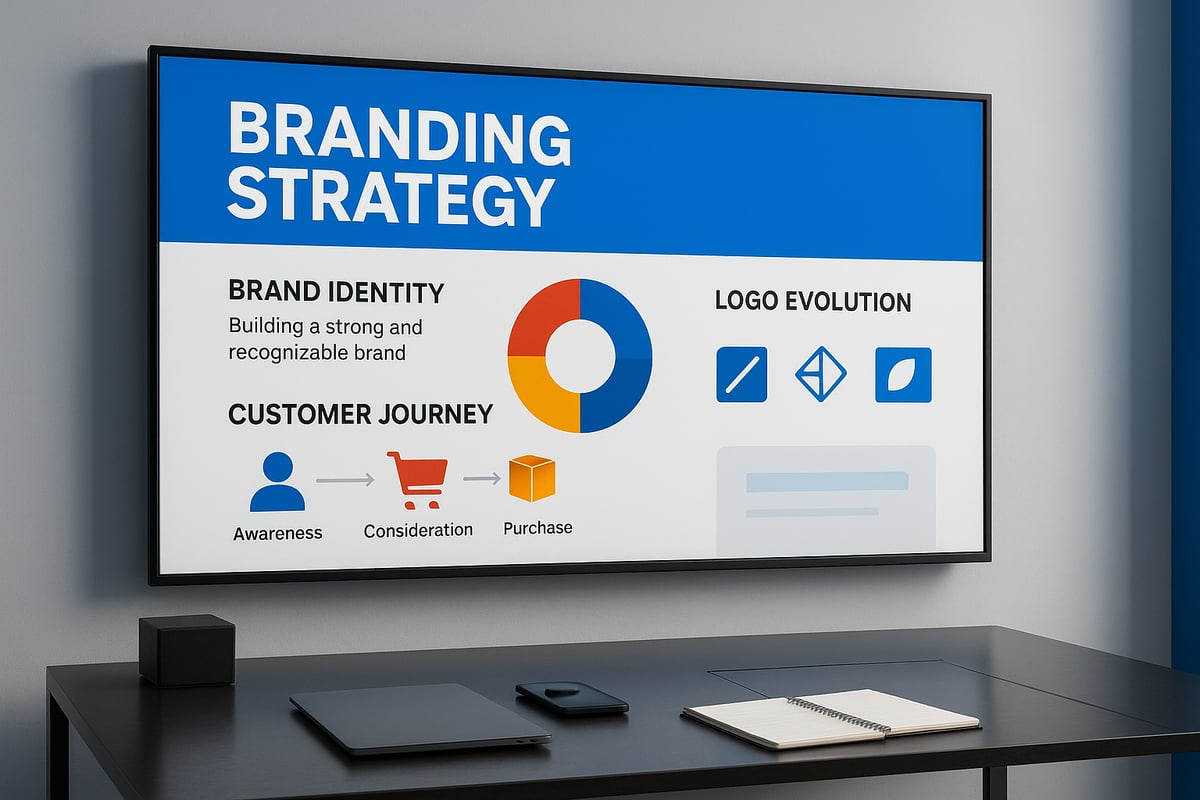
Capturing your audience’s attention is crucial when delivering a branding strategy presentation. In today’s fast-paced business world, visuals and stories are not just enhancements, they are foundational to effective communication. By mastering both visual storytelling and design principles, you can ensure your message is memorable and impactful.

Visual Storytelling and Design Principles for Branding Presentations

The Power of Visual Storytelling

Visual storytelling is at the heart of every compelling branding strategy presentation. Stories create emotional connections, making your brand more relatable and memorable. When you weave your brand’s journey into a narrative, you transform abstract ideas into concrete experiences your audience can connect with.

Scientific studies show that people remember visuals far better than text alone. In fact, the human brain processes images 60,000 times faster than words. This means a branding strategy presentation that leverages strong visuals and narratives can significantly boost brand recall and understanding.

Consider the storytelling techniques used by global brands. They do not just present facts, they build a journey, often using customer testimonials, before-and-after scenarios, and mission-driven stories. For more inspiration, explore proven visual storytelling techniques to elevate your own branding strategy presentation.

The key is to make your audience feel something, not just learn something. The right story, paired with compelling visuals, can turn passive viewers into brand advocates.

Design Principles That Elevate Your Brand

A well-designed branding strategy presentation reinforces your brand’s identity at every touchpoint. Consistency is essential. Use your brand’s color palette, typography, and logo throughout your slides to create a unified experience.

Effective presentations use whitespace strategically, ensuring each element has room to breathe. Hierarchy guides the viewer’s eye, highlighting key messages first. Balance between text and visuals prevents cognitive overload, making your branding strategy presentation easy to follow.

Consider incorporating the following design principles:

Principle Description
Consistency Align visuals with brand guidelines
Whitespace Enhance clarity and focus
Hierarchy Direct attention to important information
Brand Colors & Fonts Reinforce recognition and trust

According to recent data, consistent brand presentation can increase revenue by 23 percent. This underscores the business value of a polished branding strategy presentation. By applying these principles, you ensure your message is clear, professional, and visually compelling.

Tools and Resources for Effective Presentation Design

Creating a standout branding strategy presentation is easier with the right tools. Platforms like PowerPoint, Keynote, Canva, and Google Slides offer a range of features for both beginners and advanced users.

Template resources and design inspiration sites can jumpstart your creative process. Look for templates that align with your brand’s style and allow for customization. Collaborating with design professionals can further enhance the quality, ensuring your presentation is both visually stunning and on-brand.

Remember to test your branding strategy presentation for accessibility, ensuring that text is legible and visuals are clear for all audiences. With these resources, you can deliver presentations that drive engagement and leave a lasting impression.

Expert Tips and Best Practices for Branding Strategy Presentations

Delivering an outstanding branding strategy presentation requires more than attractive slides. Success hinges on engaging your audience, telling a compelling story, and demonstrating measurable value. Here are expert strategies to ensure your branding strategy presentation stands out and drives results.

Engage Your Audience with Interactive Elements

Modern audiences expect more than passive listening. Integrate interactive elements into your branding strategy presentation to foster engagement and participation. Use live polls, real-time quizzes, and interactive Q&A sessions to gather instant feedback and tailor your message on the fly.

Consider incorporating live demos or hands-on workshops if your branding strategy presentation is for clients or internal teams. These activities transform passive viewers into active contributors, increasing knowledge retention and buy-in. Interactive features also help break the ice and make complex branding concepts more accessible.

Harness Storytelling Frameworks for Impact

Storytelling is the backbone of a memorable branding strategy presentation. Leverage proven frameworks like the Hero’s Journey, STAR method, or the case method to turn your strategy into a narrative that resonates. Begin with a relatable challenge, introduce your brand as the solution, and share results that inspire confidence.

Break down abstract concepts into stories your audience can relate to. Use customer testimonials, before-and-after scenarios, or real-life case studies. This approach humanizes your branding strategy presentation and makes your recommendations more compelling and actionable.

Leverage Data and Analytics

Data-driven insights elevate your branding strategy presentation from opinion to authority. Use analytics to back up your recommendations and highlight trends that support your strategy. Visualize key data points with clear charts, infographics, and tables for maximum impact.

For inspiration on how data and storytelling have evolved in successful presentations, explore the Evolution of branding design. This context can help you structure your own analytics narrative. Always ensure your visuals are easy to understand and directly relevant to your audience’s goals.

Tool Purpose Example Use
Google Analytics Audience insights Track brand engagement
Tableau Data visualization Visualize survey results
SurveyMonkey Collect feedback Post-presentation surveys

Master Virtual and Hybrid Presentation Success

With remote and hybrid work environments on the rise, your branding strategy presentation must translate seamlessly across formats. Use reliable technology, test audio and visuals beforehand, and provide clear instructions for virtual participation.

Encourage engagement with digital whiteboards, breakout sessions, and chat-based Q&A. Record presentations for later access, and offer downloadable resources. Tailoring your branding strategy presentation for both in-person and remote audiences ensures no stakeholder is left behind and maximizes your strategy’s reach.

Stay Ahead: Avoid Pitfalls and Keep Learning

Even experienced presenters can stumble. Common pitfalls include overloading slides, excessive jargon, and failing to connect with the audience. Focus on clarity, brevity, and consistent messaging throughout your branding strategy presentation.

Stay current by tracking industry developments and evolving best practices. Resources like Top Marketing Trends for 2026 offer valuable insights for keeping your branding strategy presentation relevant and future-proof. Regularly seek feedback, attend workshops, and update your skills to maintain your competitive edge in branding.

Measuring the Impact of Your Branding Strategy Presentation

Understanding the true effectiveness of your branding strategy presentation is crucial for long-term brand success. Measuring impact goes beyond applause at the end of a meeting. It requires a clear focus on key performance indicators (KPIs) that reveal whether your presentation drives engagement, recall, and business outcomes.

Common KPIs for a branding strategy presentation include:

KPI What It Measures
Engagement Rate Audience interaction and attention
Message Recall Retention of key brand messages
Conversion Rate Actions taken post-presentation
Stakeholder Buy-In Support from decision-makers

Selecting the right KPIs depends on your goals. For example, if your branding strategy presentation aims to secure investor buy-in, conversion rates and stakeholder feedback are top priorities.

Collecting and analyzing feedback is essential for understanding how your branding strategy presentation resonates. Use surveys immediately after the session to gauge audience sentiment. Leverage analytics platforms to track participation, dwell times on slides, and interactive elements.

For virtual or hybrid settings, tools like live polls and Q&A modules offer real-time insights. These data points help you pinpoint which parts of your branding strategy presentation connect and which may need refinement.

Applying audience insights is where your branding strategy presentation evolves from good to great. Analyze trends in feedback to identify strengths and weaknesses. Benchmark your results against industry standards to spot opportunities for improvement. Leading brands often reference resources like The 6 Marketing Trends to Watch in 2026 to ensure their branding strategy presentation stays ahead of emerging expectations and competitor benchmarks.

Consider this example: A tech company measured the ROI of its rebranding presentation by tracking post-event website visits, social media mentions, and lead generation. They found a 20% spike in qualified leads and improved stakeholder alignment, demonstrating the tangible value of measuring presentation impact.

Sustaining growth requires ongoing measurement and adaptation. After the branding strategy presentation, follow up with stakeholders to reinforce key messages and answer lingering questions. Use feedback loops to adapt future presentations for different audiences or formats.

Continuous improvement ensures your branding strategy presentation remains relevant as market trends shift. By embedding measurement into your workflow, you transform each presentation into a stepping stone for greater brand influence and business growth.

We offer free 30-min consultation on the presentation design audit
and hiring the right visual 
comms professional, let’s talk!
Shedule a call
Shedule a call
"I understand" goes a step further into the cognitive dance of persuasion. It's where the audience begins to see the connections between the facts, to grasp the nuances of the problem and the elegance of the solution.
  • This is some text inside of a div block.
    lay out the facts clearly and compellingly. Use data to establish the ground reality, but remember that facts alone are like the individual strands of a tapestry—necessary but not complete.
    lay out the facts clearly and compellingly. Use data to establish the ground reality, but remember that facts alone are like the individual strands of a tapestry—necessary but not complete.
  • This is some text inside of a div block.
    lay out the facts clearly and compellingly. Use data to establish the ground reality, but remember that facts alone are like the individual strands of a tapestry—necessary but not complete.

We offer free 30-min consultation on the presentation design audit

and hiring the right visual 
comms professional, let’s talk!

Shedule a call

"I understand" goes a step further into the cognitive dance of persuasion. It's where the audience begins to see the connections between the facts, to grasp the nuances of the problem and the elegance of the solution.

  • - 1 -
    Consistency at Scale:

    Biotech Market Trends 2024: Tailoring Your Pitch Deck to Current Industry Dynamics.

  • - 2 -
    Efficiency and Speed:

    The traditional process of manually updating presentations is not only slow but also prone to bottlenecks, especially when dealing with large volumes of slides. Automation dramatically accelerates this process, enabling designers to apply changes across hundreds of slides in the time it would take to manually update a single one. This efficiency is a game-changer for agencies working under tight deadlines or managing multiple projects simultaneously.

  • - 3 -
    Enhanced Creativity:

    With the burden of manual updates lifted, designers can allocate more time and energy to the creative aspects of presentation design. This freedom allows for deeper exploration of innovative design concepts, experimentation with new visual storytelling techniques, and the development of more engaging and interactive presentations. Automation doesn't stifle creativity; it amplifies it, enabling designers to push the boundaries of what's possible in corporate presentation design.

  • - 4 -
    Error Reduction:

    Manual updates are inherently prone to inconsistencies and mistakes, from misaligned logos to incorrect font sizes. These errors can detract from the professionalism of a presentation and, by extension, the corporate image. Automation minimizes these risks by ensuring that updates are applied uniformly and accurately across all slides, enhancing the overall quality and integrity of the presentation.

  • - 5 -
    Cost-Effectiveness:

    The time savings afforded by automation directly translate to cost savings for both the design agency and its clients. By reducing the hours spent on manual updates, agencies can optimize their workflows and resources, allowing them to take on more projects without compromising on quality. This efficiency can also make high-quality presentation design services more affordable and accessible to a broader range of businesses.

Branding Strategy Presentation Guide: Elevate Your Brand 2026
Master your branding strategy presentation with expert tips, visual storytelling, and proven frameworks to elevate your brand and drive business growth in 2026.

In today’s fast-paced marketplace, brands either capture attention or quickly fade into obscurity. The difference often comes down to the strength of their branding strategy presentation. When executed well, it can transform branding failures into lasting success stories.

This guide will empower you to craft and deliver a branding strategy presentation that elevates your brand and accelerates business growth. You will gain insights into the foundations of branding strategy, learn a step-by-step approach to creating compelling presentations, and discover the key elements that drive impact.

We will also explore visual storytelling and provide expert tips to ensure your branding strategy presentation stands out in 2026’s competitive landscape. Let’s unlock the strategies that turn vision into results.

Understanding Branding Strategy in 2026

Branding strategy has transformed dramatically in recent years. It is no longer just about a memorable logo or catchy slogan. Today, a successful branding strategy presentation must address the entire brand experience, from digital presence to emotional resonance with customers.
Understanding Branding Strategy in 2026

The Evolution of Branding Strategy

Historically, branding centered on visual identity—logos, colors, and typefaces. Over time, the focus shifted to crafting holistic experiences that connect emotionally with audiences. In 2026, a branding strategy presentation must demonstrate how every touchpoint, from social media to customer service, reflects the brand's core values.

This evolution is also shaped by technology. Brands now use AI, data analytics, and immersive digital platforms to personalize experiences at scale. Presentations that showcase this journey—from traditional branding to digitally-enabled, value-driven experiences—stand out.

Key Trends Shaping 2026 Branding

To create a future-ready branding strategy presentation, it is vital to understand emerging trends:

  • Hyper-personalization: Brands tailor content, offers, and messaging to individual preferences using AI and data.
  • Sustainability and purpose-driven branding: Companies emphasize ethical sourcing, environmental responsibility, and social impact.
  • Digital-first experiences: Virtual events, augmented reality, and interactive digital content shape modern brand engagement.
  • Community building: Brands foster loyal communities through shared values and interests.

According to the Edelman Trust Barometer 2023, 89% of consumers remain loyal to brands that share their values. This statistic highlights the importance of aligning your branding strategy presentation with what matters most to your audience.

For a deeper dive into upcoming trends like hyper-personalization and purpose-driven branding, explore the Top 11 Trends in Branding for 2026.

Branding’s Role in Business Growth and Loyalty

A compelling branding strategy presentation is a catalyst for growth. When a brand aligns its strategy with organizational vision and market trends, it drives differentiation and customer loyalty.

Consider this real-world example:

Case Study: Tech Startup Rebrand Outcome
Repositioned for Gen Z values 30% revenue growth
Shifted messaging to sustainability Increased social shares
Enhanced digital brand experience Higher engagement rates

By understanding the target audience and evolving market expectations, this startup leveraged its branding strategy presentation to secure internal buy-in and attract new customers.

Aligning Strategy With Vision and Market Trends

A branding strategy presentation should clearly link the brand’s purpose, mission, and values with external trends. This alignment ensures the strategy resonates both inside and outside the organization.

Engage stakeholders by showing how your branding approach addresses current challenges and seizes new opportunities. Use up-to-date data, market research, and competitive analysis to support your recommendations.

Common Mistakes and How to Avoid Them

Many branding strategy presentations fall short due to:

  • Overloading with jargon and buzzwords
  • Lack of clear, actionable objectives
  • Failing to connect strategy with measurable outcomes
  • Ignoring visual consistency and storytelling

To avoid these pitfalls, focus on clarity, relevance, and visual appeal. Structure your content logically, and tailor your messaging to your audience’s needs.

The Value of a Well-Crafted Presentation

A strong branding strategy presentation is more than a report—it is a persuasive tool for internal alignment and external influence. It builds trust, inspires action, and sets the stage for long-term business growth.

By embracing new trends, aligning with organizational vision, and communicating with clarity, you position your brand for success in 2026’s competitive landscape.

Step-by-Step: Crafting a Winning Branding Strategy Presentation

Creating a standout branding strategy presentation requires a systematic approach and a clear understanding of your objectives. By breaking down the process into actionable steps, you can ensure your message resonates and drives results. Let’s explore a proven, step-by-step method to help you deliver a presentation that elevates your brand and achieves buy-in from any audience.

Step-by-Step: Crafting a Winning Branding Strategy Presentation

Step 1: Define Clear Objectives and Audience

Start your branding strategy presentation by clarifying your primary goals. Are you seeking internal alignment, investor buy-in, or client acquisition? Pinpointing your objective allows you to craft a focused message that drives action.

Next, analyze your audience. What are their roles, pain points, and expectations? Tailor your content to address their specific needs. For instance, a C-suite audience may prioritize high-level business impact, while marketing teams look for tactical details.

Adjust your messaging style accordingly. Use concise executive summaries for decision-makers and deeper insights for specialists. This audience-first approach ensures your branding strategy presentation is relevant and compelling.

Step 2: Structure Your Presentation for Impact

A well-structured branding strategy presentation captures attention and maintains engagement. Choose a proven framework, such as the problem-solution model, storytelling arc, or modular approach. These structures provide clarity and help your audience follow your narrative.

Begin with a brief introduction, set the stage with the challenge, present your solution, outline implementation steps, and share projected or proven results. Include an agenda slide at the start to orient your audience and use clear transition cues between sections.

Data shows that presentations with a clear structure retain 40% more audience attention. Logical flow not only supports comprehension but also builds trust in your branding strategy presentation, ensuring your message is understood and remembered.

Step 3: Develop Compelling Content

The heart of your branding strategy presentation lies in its content. Clearly articulate your brand’s vision, mission, values, and positioning. Establish messaging pillars that support your core narrative.

Incorporate market research, competitor analysis, and customer insights to ground your recommendations in data. Use real-world examples and case studies to build credibility. For inspiration, explore Branding work portfolio examples, which showcase successful branding presentations across industries.

Balance data with storytelling. Weave in anecdotes and testimonials that illustrate your brand’s impact. This blend of evidence and narrative keeps your branding strategy presentation engaging and persuasive.

Step 4: Design Visually Engaging Slides

Visual design plays a critical role in how your branding strategy presentation is perceived. Maintain consistent branding elements, including color palettes, logos, and typography, to reinforce your identity.

Leverage high-quality visuals, infographics, and iconography to simplify complex information. Transform data into easy-to-understand graphics for maximum impact. Consider accessibility by using readable fonts and sufficient contrast for all audiences.

A visually coherent branding strategy presentation increases both engagement and recall. Consistency in design ensures your message is not only seen but remembered, strengthening your brand’s presence.

Step 5: Rehearse and Refine Your Delivery

Practice is essential for delivering a confident and effective branding strategy presentation. Record yourself to identify improvement areas and gather feedback from peers. Iterative rehearsal sharpens your message and boosts your delivery skills.

Prepare for Q&A sessions by anticipating possible objections and practicing concise, knowledgeable responses. Manage your pacing to keep the audience engaged from start to finish.

Consider how major brands rehearse presentations before high-stakes meetings. For example, a Fortune 500 company improved investor confidence by refining its branding strategy presentation through multiple feedback loops and dry runs.

Step 6: Integrate Feedback and Iterate

After your branding strategy presentation, collect feedback from stakeholders and test audiences. Use analytics tools to assess engagement and identify sections that resonated—or fell flat.

Adapt your presentation for different formats, such as live, virtual, or asynchronous delivery. Continuous improvement is vital; update your slides and messaging as your brand evolves and new data emerges.

Regular iteration ensures your branding strategy presentation remains fresh, relevant, and impactful. By embracing feedback, you position your brand for sustained growth in any competitive landscape.

Essential Elements of a High-Impact Branding Strategy Presentation

A high-impact branding strategy presentation is more than a collection of attractive slides. It is a strategic tool that communicates your brand’s core identity, competitive edge, and future vision to both internal and external stakeholders.

To create a truly effective branding strategy presentation, focus on several foundational elements that together deliver clarity, credibility, and influence.
Essential Elements of a High-Impact Branding Strategy Presentation

Articulate Brand Purpose, Vision, and Mission

Begin your branding strategy presentation by defining your brand’s purpose, vision, and mission. These statements set the direction for all branding activities and inspire both your team and your audience.

  • Purpose: Why does your brand exist?
  • Vision: Where do you see your brand in the future?
  • Mission: How will you achieve your vision?

Clear articulation of these elements grounds the rest of your branding strategy presentation and ensures alignment across your organization.

Showcase Differentiation and Competitive Analysis

Next, highlight what sets your brand apart. Your unique value proposition and a thorough competitive landscape analysis are critical for demonstrating why your brand matters in the market.

  • Analyze competitors’ strengths and weaknesses.
  • Identify market gaps your brand can fill.
  • Present data and insights that support your positioning.

A well-supported branding strategy presentation helps stakeholders understand both the opportunity and your plan to capture it.

Define Brand Personality and Tone of Voice

Consistency in how your brand communicates is essential. Define your brand’s personality and tone of voice, and explain how these characteristics will be reflected across all touchpoints.

  • Is your brand bold, friendly, or innovative?
  • What language style will you use in marketing, sales, and support?
  • How will your tone build trust and foster loyalty?

By embedding these details into your branding strategy presentation, you ensure everyone represents the brand authentically.

Build a Cohesive Visual Identity

A strong visual identity makes your brand instantly recognizable. Use your branding strategy presentation to outline the visual elements that represent your brand’s ethos.

  • Logos, color palettes, and imagery that reflect your values.
  • Typography and design elements for consistency.
  • Guidelines for using visuals across platforms.

For a deeper dive into maintaining visual and messaging consistency, see this article on Consistency in presentation design.

Visual Element Role in Branding Strategy Presentation
Logo Establishes recognition and trust
Color Palette Evokes emotion and brand association
Typography Communicates personality and professionalism
Imagery Reinforces brand story and values

Establish Messaging Pillars for Target Segments

Craft messaging pillars that communicate your brand’s value to different audience segments. Each pillar should be tailored to address specific needs and aspirations.

  • Develop 3–5 key messages for each segment.
  • Align messaging with brand values and goals.
  • Support claims with relevant data or stories.

A focused and audience-centric branding strategy presentation increases the likelihood of buy-in and action.

Map the Customer Journey

Demonstrate how your branding supports customers at every stage. Use your branding strategy presentation to outline the touchpoints and experiences that drive engagement and loyalty.

  • Awareness: How does your brand attract attention?
  • Consideration: What convinces customers to choose you?
  • Loyalty: How do you nurture long-term relationships?

Mapping the journey ensures your branding strategy presentation addresses the full customer experience.

Provide Proof Points: Data, Testimonials, and Case Studies

Credibility is non-negotiable. Incorporate proof points throughout your branding strategy presentation to validate your claims.

  • Share relevant data and performance metrics.
  • Include testimonials from satisfied customers.
  • Highlight successful case studies that showcase results.

For example, a leading tech company rebranded for Gen Z, aligning its messaging and visuals with new digital trends. Their branding strategy presentation showcased a 30% revenue increase within one year, supported by customer testimonials and market analytics.

Recap: The Blueprint for Success

A high-impact branding strategy presentation acts as both a roadmap and a rallying cry. By focusing on purpose, differentiation, personality, visual identity, audience messaging, customer journey, and proof points, you set the stage for brand growth and stakeholder alignment.

Visual Storytelling and Design Principles for Branding Presentations

Capturing your audience’s attention is crucial when delivering a branding strategy presentation. In today’s fast-paced business world, visuals and stories are not just enhancements, they are foundational to effective communication. By mastering both visual storytelling and design principles, you can ensure your message is memorable and impactful.
Visual Storytelling and Design Principles for Branding Presentations

The Power of Visual Storytelling

Visual storytelling is at the heart of every compelling branding strategy presentation. Stories create emotional connections, making your brand more relatable and memorable. When you weave your brand’s journey into a narrative, you transform abstract ideas into concrete experiences your audience can connect with.

Scientific studies show that people remember visuals far better than text alone. In fact, the human brain processes images 60,000 times faster than words. This means a branding strategy presentation that leverages strong visuals and narratives can significantly boost brand recall and understanding.

Consider the storytelling techniques used by global brands. They do not just present facts, they build a journey, often using customer testimonials, before-and-after scenarios, and mission-driven stories. For more inspiration, explore proven visual storytelling techniques to elevate your own branding strategy presentation.

The key is to make your audience feel something, not just learn something. The right story, paired with compelling visuals, can turn passive viewers into brand advocates.

Design Principles That Elevate Your Brand

A well-designed branding strategy presentation reinforces your brand’s identity at every touchpoint. Consistency is essential. Use your brand’s color palette, typography, and logo throughout your slides to create a unified experience.

Effective presentations use whitespace strategically, ensuring each element has room to breathe. Hierarchy guides the viewer’s eye, highlighting key messages first. Balance between text and visuals prevents cognitive overload, making your branding strategy presentation easy to follow.

Consider incorporating the following design principles:

Principle Description
Consistency Align visuals with brand guidelines
Whitespace Enhance clarity and focus
Hierarchy Direct attention to important information
Brand Colors & Fonts Reinforce recognition and trust

According to recent data, consistent brand presentation can increase revenue by 23 percent. This underscores the business value of a polished branding strategy presentation. By applying these principles, you ensure your message is clear, professional, and visually compelling.

Tools and Resources for Effective Presentation Design

Creating a standout branding strategy presentation is easier with the right tools. Platforms like PowerPoint, Keynote, Canva, and Google Slides offer a range of features for both beginners and advanced users.

Template resources and design inspiration sites can jumpstart your creative process. Look for templates that align with your brand’s style and allow for customization. Collaborating with design professionals can further enhance the quality, ensuring your presentation is both visually stunning and on-brand.

Remember to test your branding strategy presentation for accessibility, ensuring that text is legible and visuals are clear for all audiences. With these resources, you can deliver presentations that drive engagement and leave a lasting impression.

Expert Tips and Best Practices for Branding Strategy Presentations

Delivering an outstanding branding strategy presentation requires more than attractive slides. Success hinges on engaging your audience, telling a compelling story, and demonstrating measurable value. Here are expert strategies to ensure your branding strategy presentation stands out and drives results.

Engage Your Audience with Interactive Elements

Modern audiences expect more than passive listening. Integrate interactive elements into your branding strategy presentation to foster engagement and participation. Use live polls, real-time quizzes, and interactive Q&A sessions to gather instant feedback and tailor your message on the fly.

Consider incorporating live demos or hands-on workshops if your branding strategy presentation is for clients or internal teams. These activities transform passive viewers into active contributors, increasing knowledge retention and buy-in. Interactive features also help break the ice and make complex branding concepts more accessible.

Harness Storytelling Frameworks for Impact

Storytelling is the backbone of a memorable branding strategy presentation. Leverage proven frameworks like the Hero’s Journey, STAR method, or the case method to turn your strategy into a narrative that resonates. Begin with a relatable challenge, introduce your brand as the solution, and share results that inspire confidence.

Break down abstract concepts into stories your audience can relate to. Use customer testimonials, before-and-after scenarios, or real-life case studies. This approach humanizes your branding strategy presentation and makes your recommendations more compelling and actionable.

Leverage Data and Analytics

Data-driven insights elevate your branding strategy presentation from opinion to authority. Use analytics to back up your recommendations and highlight trends that support your strategy. Visualize key data points with clear charts, infographics, and tables for maximum impact.

For inspiration on how data and storytelling have evolved in successful presentations, explore the Evolution of branding design. This context can help you structure your own analytics narrative. Always ensure your visuals are easy to understand and directly relevant to your audience’s goals.

Tool Purpose Example Use
Google Analytics Audience insights Track brand engagement
Tableau Data visualization Visualize survey results
SurveyMonkey Collect feedback Post-presentation surveys

Master Virtual and Hybrid Presentation Success

With remote and hybrid work environments on the rise, your branding strategy presentation must translate seamlessly across formats. Use reliable technology, test audio and visuals beforehand, and provide clear instructions for virtual participation.

Encourage engagement with digital whiteboards, breakout sessions, and chat-based Q&A. Record presentations for later access, and offer downloadable resources. Tailoring your branding strategy presentation for both in-person and remote audiences ensures no stakeholder is left behind and maximizes your strategy’s reach.

Stay Ahead: Avoid Pitfalls and Keep Learning

Even experienced presenters can stumble. Common pitfalls include overloading slides, excessive jargon, and failing to connect with the audience. Focus on clarity, brevity, and consistent messaging throughout your branding strategy presentation.

Stay current by tracking industry developments and evolving best practices. Resources like Top Marketing Trends for 2026 offer valuable insights for keeping your branding strategy presentation relevant and future-proof. Regularly seek feedback, attend workshops, and update your skills to maintain your competitive edge in branding.

Measuring the Impact of Your Branding Strategy Presentation

Understanding the true effectiveness of your branding strategy presentation is crucial for long-term brand success. Measuring impact goes beyond applause at the end of a meeting. It requires a clear focus on key performance indicators (KPIs) that reveal whether your presentation drives engagement, recall, and business outcomes.

Common KPIs for a branding strategy presentation include:

KPI What It Measures
Engagement Rate Audience interaction and attention
Message Recall Retention of key brand messages
Conversion Rate Actions taken post-presentation
Stakeholder Buy-In Support from decision-makers

Selecting the right KPIs depends on your goals. For example, if your branding strategy presentation aims to secure investor buy-in, conversion rates and stakeholder feedback are top priorities.

Collecting and analyzing feedback is essential for understanding how your branding strategy presentation resonates. Use surveys immediately after the session to gauge audience sentiment. Leverage analytics platforms to track participation, dwell times on slides, and interactive elements.

For virtual or hybrid settings, tools like live polls and Q&A modules offer real-time insights. These data points help you pinpoint which parts of your branding strategy presentation connect and which may need refinement.

Applying audience insights is where your branding strategy presentation evolves from good to great. Analyze trends in feedback to identify strengths and weaknesses. Benchmark your results against industry standards to spot opportunities for improvement. Leading brands often reference resources like The 6 Marketing Trends to Watch in 2026 to ensure their branding strategy presentation stays ahead of emerging expectations and competitor benchmarks.

Consider this example: A tech company measured the ROI of its rebranding presentation by tracking post-event website visits, social media mentions, and lead generation. They found a 20% spike in qualified leads and improved stakeholder alignment, demonstrating the tangible value of measuring presentation impact.

Sustaining growth requires ongoing measurement and adaptation. After the branding strategy presentation, follow up with stakeholders to reinforce key messages and answer lingering questions. Use feedback loops to adapt future presentations for different audiences or formats.

Continuous improvement ensures your branding strategy presentation remains relevant as market trends shift. By embedding measurement into your workflow, you transform each presentation into a stepping stone for greater brand influence and business growth.


News & Updates...

Master simple ppt design for 2026 with 7 expert tips to create clear, engaging presentations that boost impact, retention, and audience action in any setting.

Master ppt layout design with 9 expert tips for stunning slides in 2026. Boost engagement, clarity, and impact in every presentation. Elevate your slides today.